
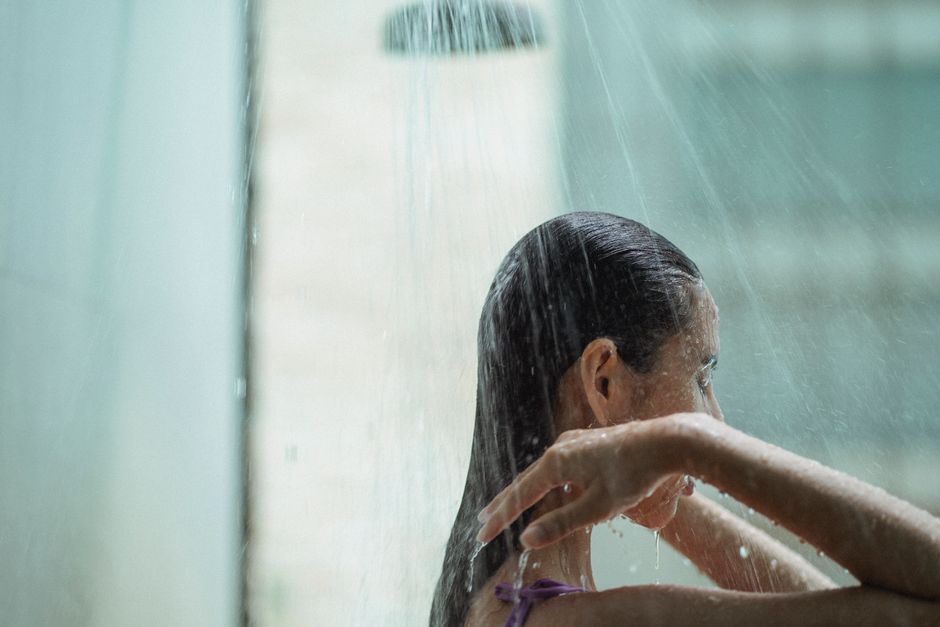
If you are trying to figure out what water is best for your hair, the short answer is that soft water is generally the best choice. Hard water contains high levels of dissolved minerals, primarily calcium and magnesium, which build up on the hair shaft and leave it feeling rough, dry, and brittle. Filtered water can help, but the type of filter matters. A standard carbon filter will not remove the minerals that cause hard water damage; you would need a water softener or a reverse osmosis system to actually change the mineral content.
What Is Hard Water and How Does It Affect Hair?
Hard water is simply water that has picked up minerals, usually calcium and magnesium, as it travels through the ground. When you wash your hair with hard water, these minerals do not just rinse away. They leave a film on the hair shaft.
This mineral film is the root of most hard water hair problems. It coats the hair, making it harder for water and shampoo to penetrate. Over time, this buildup can make hair feel stiff, look dull, and tangle easily. It can also interfere with hair color, making it fade faster than it should.
The effects are not just cosmetic. The mineral buildup can dry out the scalp, which sometimes leads to flaking or itchiness. If you have naturally dry or curly hair, hard water can make those issues significantly worse because curly hair is already prone to dryness.
What Is Soft Water and Why Is It Better for Hair?
Soft water has had most of the calcium and magnesium removed. It is usually produced by a water softener system that swaps those minerals for sodium or potassium ions. Some areas have naturally soft water, but this is less common.
Soft water allows shampoo to lather more easily and rinse out more completely. Without the mineral film left behind, hair feels cleaner, smoother, and looks shinier. Many people report needing less shampoo and conditioner when they switch to soft water because the products work more effectively.
There is a common complaint that soft water makes hair feel “slippery” or hard to style. This is because the hair is so clean and free of mineral residue that it lacks the slight grip that buildup provides. Some people also worry about the sodium in softened water. The amount of sodium added is typically very small and not a concern for washing hair, though people on strict low-sodium diets should not drink softened water regularly.
Can Filtered Water Help Your Hair?
Filtered water is not a single thing. The term covers everything from a simple pitcher filter to a whole-house filtration system. The key question is what the filter actually removes.
Activated carbon filters, like the ones in most pitchers and faucet attachments, are great for removing chlorine, sediment, and some organic compounds. They do not remove dissolved calcium or magnesium. If your tap water is hard, a basic carbon filter will not fix your hair problems.
To remove the minerals that cause hard water damage, you need a different approach. Reverse osmosis systems push water through a semi-permeable membrane that catches minerals and other contaminants. These systems are effective but are usually installed under the sink, which means you would have to wash your hair in the kitchen or install a specialized shower system.
There are also showerhead filters marketed specifically for hair health. Most of these contain carbon or vitamin C media. They are effective at removing chlorine, which can also dry out hair and skin. However, most showerhead filters do not soften water. If a product claims to soften water, check whether it uses an ion-exchange resin. If it does not, it is not softening the water.





How to Tell If You Have Hard Water
You can often tell if you have hard water without a test. Look for white or chalky scale on faucets and showerheads. Soap and shampoo may not lather well. Your skin might feel tight or dry after showering, and your hair might feel like it has a residue even after washing.
If you want a precise answer, you can buy a home water test kit at a hardware store. These kits usually measure hardness in grains per gallon or parts per million. Water is generally considered hard if it has more than 7 grains per gallon or roughly 120 parts per million of calcium carbonate.
You can also contact your local water utility. They often publish water quality reports that include hardness levels. If you are on a private well, testing is the only way to know for sure.
Practical Solutions for Hard Water Hair
If you have hard water and cannot install a whole-house softener, you still have options. The most effective is a chelating shampoo. These shampoos contain ingredients that bind to minerals and pull them off the hair shaft. Most people use them once a week or every other week, depending on how much buildup they have.
An acidic rinse can also help. Apple cider vinegar diluted with water is a popular home remedy. The mild acid helps dissolve mineral deposits and smooth the hair cuticle. Mix about one to two tablespoons of apple cider vinegar with a cup of water and pour it over your hair after shampooing. Rinse it out after a minute or two.
For a more immediate fix, consider a showerhead with a built-in water softener. These are different from standard filters. They contain ion-exchange resin that actually removes calcium and magnesium. They require regular recharging with salt, but they can make a noticeable difference for hair and skin.
If you are washing your hair in the sink, use bottled spring water or distilled water for the final rinse. Distilled water has no minerals at all, so it will not add to buildup. This is a practical workaround for people who want to see if soft water makes a difference for their hair before investing in a larger system.
What Water Is Best For Hair Hard Soft Or Filtered?
Soft water is the best option for hair. It prevents mineral buildup, allows shampoos and conditioners to work properly, and leaves hair feeling cleaner and looking shinier. Filtered water is only beneficial for hair if the filter removes hardness minerals, which standard carbon filters do not do.
If you have hard water, you do not necessarily need to soften your entire house. You can treat your hair with chelating products, use acidic rinses, or install a showerhead softener. The right choice depends on how severe your hard water is and how much effort you want to put into your hair care routine.
The mineral content of your water is one of the most overlooked factors in hair health. It is not a marketing gimmick. The difference between washing your hair in hard water and soft water is real and measurable. If your hair feels dull, dry, or heavy no matter what products you use, your water might be the problem.
Frequently Asked Questions
Can hard water cause hair loss?
Hard water does not directly cause hair loss, but it can make hair brittle and more prone to breakage. The mineral buildup weakens the hair shaft over time, which can lead to increased shedding when brushing or washing.
Is it better to wash hair with cold or warm water?
Warm water opens the hair cuticle to help cleansers work, while cold water closes it to seal in moisture and add shine. The temperature of the water does not change its mineral content, so it will not fix hard water problems.
Does boiling water make it soft?
Boiling water removes temporary hardness by causing some minerals to precipitate out, but it does not remove permanent hardness. Boiling also concentrates the remaining minerals, so it is not an effective way to soften water for washing hair.
Will a shower filter make my hair softer?
A shower filter will only make hair softer if it removes hardness minerals, which most carbon-based filters do not. Look for a showerhead with an ion-exchange resin if you want to soften the water, not just filter out chlorine.
