
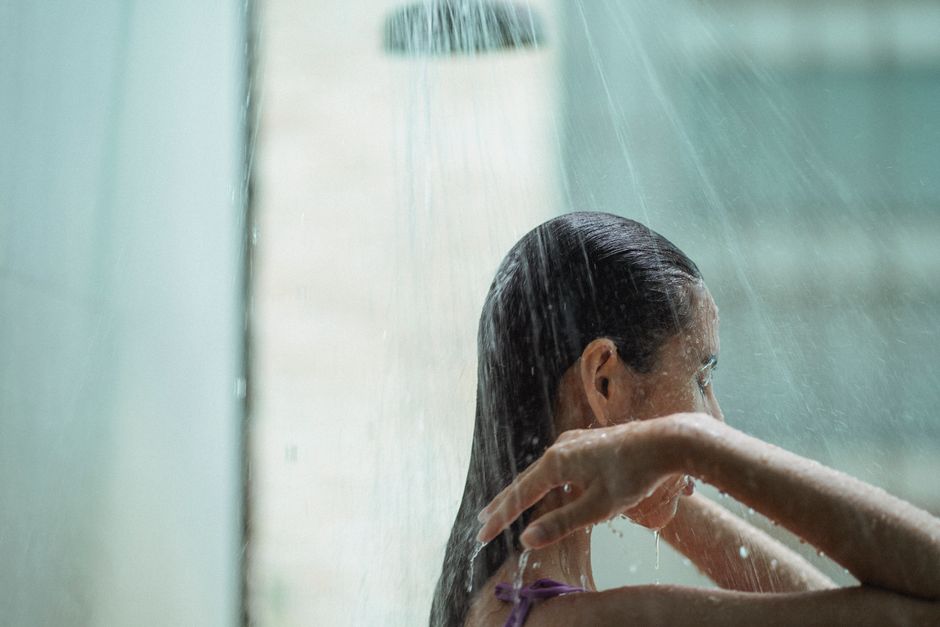
Hard water contains high levels of dissolved minerals like calcium and magnesium. Yes, it can be bad for your hair. These minerals build up on the hair shaft, leaving it dry, dull, and prone to tangling. The fix involves removing mineral buildup with the right products and preventing future deposits with water softening solutions.
What is hard water?
Hard water is water that has picked up calcium and magnesium as it flows through underground rock and soil. The US Geological Survey defines hard water as having more than 121 milligrams of calcium carbonate per liter. Most tap water in the United States is moderately to very hard, especially in the Midwest and Southwest.
When hard water is heated or left to evaporate, the minerals precipitate out. That white scale on your showerhead or kettle is calcium carbonate. The same process happens on your hair.
How does hard water affect your hair?
Hair has a negative electrical charge. Calcium and magnesium ions in hard water carry a positive charge. The two attract. Minerals bind to the hair shaft and form a film. This film prevents moisture from penetrating the hair cuticle.
Over time, the mineral buildup creates several problems. Hair becomes rough, brittle, and harder to manage. The cuticle may lift, making hair more porous and prone to breakage. Color-treated hair fades faster because the minerals interfere with dye molecules. Even the pH of hard water — typically above 8 — can lift the cuticle and strip natural oils.
Signs that hard water is damaging your hair
- Tangling and snagging — minerals make the hair shaft rough, so strands catch on each other.
- Dull, lifeless appearance — the mineral film scatters light unevenly instead of reflecting it.
- Frizz and dryness — moisture cannot penetrate the buildup, so hair stays dry.
- Flat, limp hair — residue weighs down fine hair.
- Scalp irritation and flaking — minerals can dry the scalp or react with certain shampoos, creating soap scum.
- Color loss or brassiness — especially noticeable on blonde, silver, or red hair.
- Brittle ends and breakage — the cuticle becomes damaged from mineral abrasion.
These signs can also have other causes — over-washing, heat styling, harsh shampoos, or low humidity. But if your tap water is hard and you notice several of these symptoms, water is likely a contributing factor.



Can hard water cause hair loss?
No direct evidence shows that hard water causes permanent hair loss or affects hair follicles. But hard water can increase hair breakage. When hair is brittle and dry from mineral buildup, it snaps more easily during brushing, washing, or styling. Over months, the cumulative breakage can make hair appear thinner.
Scalp irritation from mineral residue or from soap scum clogging the follicles could also contribute to shedding. However, this is not the same as androgenetic alopecia or other medical hair loss. If you notice unusual shedding or bald patches, see a dermatologist rather than assuming hard water is the cause.
Is hard water bad for your hair? Signs and fixes
The answer is yes for most people with naturally dry, curly, or color-treated hair. Straight, oily hair may show fewer problems. The fix involves two steps: removing existing buildup and preventing new deposits.
Remove mineral buildup:
- Use a chelating shampoo (sometimes labeled “clarifying” but not all clarifying shampoos remove minerals). Look for ingredients like EDTA, citric acid, or sodium gluconate.
- Apply a diluted apple cider vinegar rinse (1 to 2 tablespoons per cup of water) once a week. The acid helps dissolve calcium carbonate. Rinse thoroughly after.
- Try a once-a-month treatment with a vitamin C powder mixed with water. Vitamin C can chelate minerals, but it is acidic, so avoid overuse on sensitized hair.
Prevent future mineral deposits:
- Install a showerhead water filter. Most use activated carbon or KDF media. They reduce chlorine and some minerals but do not fully soften water. They help but are not a complete fix.
- Install a whole-house water softener. This exchanges calcium and magnesium for sodium or potassium. It is the most effective solution for hard water hair problems.
- Wash hair in filtered or distilled water if you cannot install a softener. A simple bucket of distilled water for the final rinse can make a difference.
- Use a leave-in conditioner or a light oil (such as jojoba or argan) after washing to seal the cuticle and reduce mineral adherence.
Do shower filters really work for hard water?
Showerhead filters vary widely. Most are designed to remove chlorine and large particles, not to soften water. Carbon filters do not remove calcium or magnesium. Some combination filters use KDF (a copper-zinc alloy) that can bind some heavy metals but not in the quantities needed for water softening.
A true ion-exchange water softener — typically installed at the point of entry to the house — is necessary to significantly reduce calcium and magnesium. Some small “hard water filters” claim to change the crystalline structure of calcium so it does not stick. The evidence for these is limited, and most dermatologists recommend a whole-house softener for meaningful results.
Other ways to protect hair from hard water
- Use a pH-balanced shampoo and conditioner. Look for a pH between 4.5 and 5.5. This helps keep the cuticle closed so minerals do not deposit as easily.
- Limit shampoo frequency. Over-washing strips natural oils, leaving hair more vulnerable to mineral damage.
- Rinse with bottled or distilled water as a final step. It takes only a cup or two to coat the hair, and it leaves no mineral residue.
- Apply a pre-shampoo oil treatment. Coconut or olive oil applied before washing can form a barrier that reduces mineral binding.
- Use a leave-in spray with EDTA or citric acid to chelate residual minerals between washes.
Frequently Asked Questions
Does hard water cause hair loss?
Hard water does not cause permanent hair loss from the follicle. It can increase hair breakage, making hair appear thinner over time.
How do I remove hard water buildup from my hair?
Use a chelating shampoo containing EDTA or citric acid once a week. An apple cider vinegar rinse (diluted 1:8 with water) can also help dissolve mineral deposits.
What is the best shampoo for hard water?
A chelating shampoo, not a basic clarifying shampoo. Look for ingredients like disodium EDTA, tetrasodium EDTA, or sodium gluconate on the label.
Can hard water change hair color?
Yes. Mineral residue can make blonde hair look brassy, red hair look muddy, and dark hair look dull. It can also strip color faster from dyed hair.
