
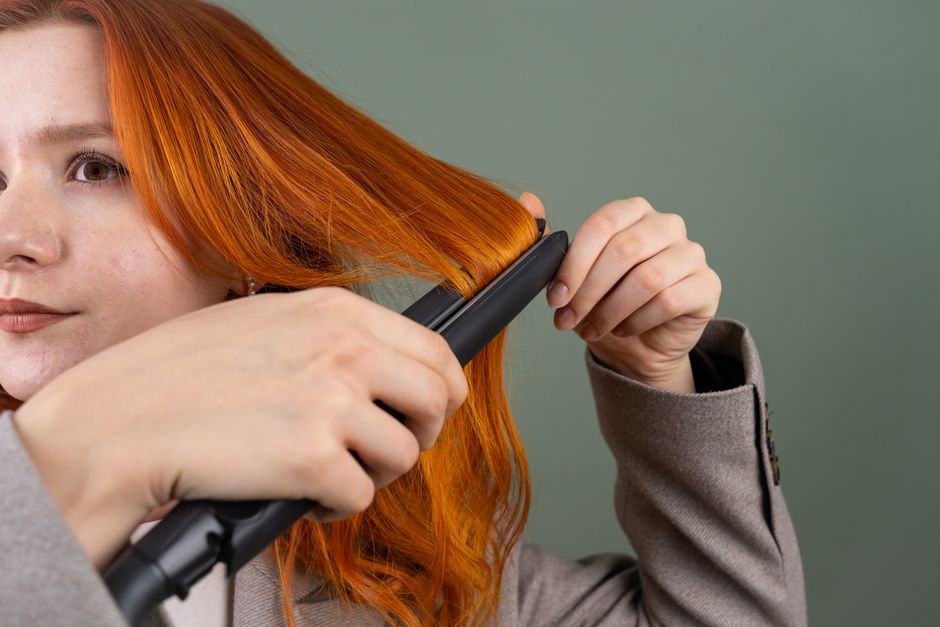
Yes, low iron can cause hair loss. Iron deficiency is one of the most common nutritional causes of thinning hair, especially in women. When your body does not have enough iron, it cannot make enough hemoglobin. Hemoglobin carries oxygen to your cells, including the cells that help your hair grow. Without enough oxygen, your hair follicles enter a resting phase and stop producing new hair. This condition is called telogen effluvium. It is usually temporary and reversible once your iron levels return to normal.
How Does Low Iron Actually Trigger Hair Loss?
Your hair follicles are among the fastest-growing cells in your body. They need a constant supply of oxygen and nutrients to keep growing. Iron is essential for making hemoglobin, the protein in red blood cells that delivers oxygen everywhere.
When iron stores drop, your body prioritizes oxygen for vital organs like your heart and brain. Hair follicles are considered non-essential, so they get less oxygen. This causes them to shift from the active growth phase (anagen) into the resting phase (telogen) much earlier than normal.
After about three months of low iron, you may notice more hair than usual falling out when you shower or brush. This delay is why many people do not connect the hair loss to their iron levels right away. The shedding usually peaks around three to four months after the deficiency begins.
Research shows that iron deficiency is a known cause of telogen effluvium. Some studies also suggest it may play a role in female pattern hair loss, though the evidence is less clear in that area.
What Are the First Signs of Iron Deficiency Hair Loss?
The most obvious sign is increased shedding. You might see more hair in your brush, on your pillow, or in the shower drain. Unlike patchy hair loss from alopecia areata, iron-related loss is usually diffuse. That means thinning happens all over your scalp rather than in distinct bald spots.
Other signs of low iron include fatigue, pale skin, brittle nails, cold hands and feet, and shortness of breath during normal activities. Some people also report restless legs or headaches. Not everyone with low iron has all these symptoms. Some people only notice the hair loss.
If your hair is thinning and you also feel unusually tired, low iron is a reasonable place to start investigating. A simple blood test can confirm whether iron deficiency is the issue.
What Does the Research on Could Low Iron Cause Hair Loss Show?
Multiple studies have found a connection between low iron and hair loss, particularly in women. A 2013 review in the Journal of the American Academy of Dermatology concluded that iron deficiency may be linked to telogen effluvium and female pattern hair loss. The authors recommended screening for iron deficiency in women with hair loss who have risk factors like heavy periods or vegetarian diets.
Another study looked at women with chronic telogen effluvium and found that those with low ferritin levels had more shedding. Ferritin is the protein that stores iron in your body. When ferritin drops below a certain level, your body has no backup iron to use.
Current research suggests that ferritin levels below 30 ng/mL are clearly associated with hair loss. Some experts argue that levels should be above 70 ng/mL for optimal hair growth, though this is debated. The exact threshold is not settled, but most agree that very low levels are a problem.
As of 2026, there is no strong evidence that iron deficiency causes male pattern baldness. The link seems strongest for women, especially premenopausal women with heavy menstrual bleeding.





How Do You Know If Low Iron Is Causing Your Hair Loss?
You cannot tell just by looking in the mirror. The only reliable way to know is a blood test. Ask your doctor for a complete blood count and a ferritin test. The standard iron panel also checks serum iron, total iron-binding capacity, and transferrin saturation.
Your doctor will interpret these numbers together. Low hemoglobin and low ferritin are the key markers. If your ferritin is under 30 ng/mL, you are likely iron deficient. If it is between 30 and 70, you may have low iron stores even if you are not technically anemic.
It is worth noting that other conditions can cause diffuse hair loss too. Thyroid problems, stress, hormonal changes, and certain medications can all look similar. That is why testing is important. Treating low iron when the real cause is something else will not stop the shedding.
What Actually Works to Reverse Iron-Related Hair Loss?
Correcting the iron deficiency is the only proven treatment. If your hair loss is caused by low iron, fixing your levels should stop the shedding and allow regrowth. This usually takes several months. Hair grows slowly, so visible improvement may take six months or longer.
Oral iron supplements are the standard treatment. Ferrous sulfate, ferrous gluconate, and ferrous fumarate are common forms. Your doctor will recommend a specific dose based on your deficiency. Taking vitamin C with iron can improve absorption. Avoid taking iron with coffee, tea, or calcium-rich foods because they block absorption.
Some people experience side effects from iron supplements, including stomach upset, constipation, and nausea. Taking the supplement with food can help, but food also reduces absorption. Slow-release formulations may be gentler on the stomach.
Eating iron-rich foods can help maintain levels but usually cannot correct a significant deficiency on their own. Good food sources include red meat, poultry, fish, lentils, spinach, and fortified cereals. Heme iron from animal sources is absorbed much better than non-heme iron from plants.
| Food Type | Iron Form | Absorption Rate |
|---|---|---|
| Red meat, poultry, fish | Heme iron | 15-35% |
| Spinach, lentils, beans | Non-heme iron | 2-20% |
| Fortified cereals | Non-heme iron | Variable |
What Should You Avoid When Treating Low Iron Hair Loss?
Do not take iron supplements without a blood test. Taking iron when your levels are normal can cause iron overload, which damages organs over time. This is especially dangerous for men and postmenopausal women who have lower iron needs.
Do not expect instant results. Hair grows about half an inch per month. It takes time for new growth to become noticeable. Many people stop treatment too early because they do not see quick changes.
Do not assume all hair loss is from low iron. If your iron levels are normal, keep looking for the real cause. Thyroid disease, polycystic ovary syndrome, and autoimmune conditions can all cause hair loss. A dermatologist can help you figure out what is going on.
Avoid hair products that claim to reverse iron deficiency hair loss. No shampoo, conditioner, or topical serum can fix an internal mineral deficiency. These products may improve the appearance of your hair but will not address the root cause.
- Get a blood test before starting any iron supplement
- Give treatment at least 3-6 months to show results
- Rule out other causes if iron levels are normal
- Take iron with vitamin C and away from calcium
- Do not rely on hair products to fix internal issues
When Should You See a Doctor About Hair Loss and Low Iron?
See your primary care doctor if you have persistent hair shedding that lasts more than a few weeks. This is especially important if you also feel tired, weak, or have heavy periods. A simple blood test can answer whether iron is the problem.
If your iron levels are normal but hair loss continues, ask for a referral to a dermatologist. Dermatologists specialize in hair and scalp disorders. They can perform a scalp biopsy or other tests to identify less common causes.
Do not ignore sudden or patchy hair loss. That pattern is not typical of iron deficiency and may indicate an autoimmune condition like alopecia areata. Early diagnosis leads to better outcomes.
If you are already diagnosed with iron deficiency and taking supplements but still losing hair after six months, go back to your doctor. Your dose may need adjustment, or there may be another factor involved.
Frequently Asked Questions About could low iron cause hair loss
Can low iron cause permanent hair loss?
No, hair loss from low iron is usually temporary. Once your iron levels return to normal, hair growth typically resumes within several months.
How much iron do I need to stop hair loss?
There is no single dose that works for everyone. Your doctor will determine the right amount based on your blood test results and overall health.
Does low iron cause hair loss in men too?
It is less common in men, but it can happen. Men with gastrointestinal bleeding or poor absorption are at higher risk for iron deficiency.
How long after taking iron will hair stop falling out?
Most people see a reduction in shedding within two to three months of correcting their iron levels, but regrowth takes longer.
