
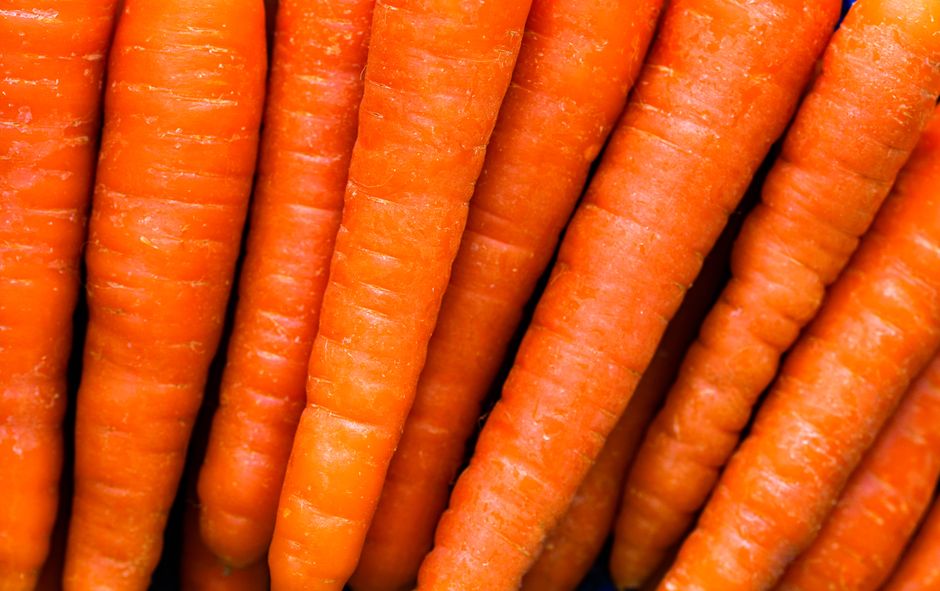
Carrots are one of the most widely eaten vegetables in the United States, and they are best known for one nutrient above all others: vitamin A. Specifically, carrots are packed with beta-carotene, which your body converts into vitamin A. But they also provide several other vitamins that support everyday health, including vitamin K1, vitamin B6, and biotin. Here is a clear breakdown of what vitamins carrots actually contain, how they work in your body, and what the science does and does not support.
What Vitamins Do Carrots Have?
Carrots are a rich source of provitamin A carotenoids, primarily beta-carotene. One medium raw carrot (about 61 grams) provides roughly 509 micrograms of vitamin A, which is more than half of the daily value for adults. The body converts beta-carotene into retinol, the active form of vitamin A, only as needed. This makes carrots a safe way to get vitamin A without the risk of toxicity that comes from high doses of preformed vitamin A found in animal products and supplements.
Beyond vitamin A, carrots contain measurable amounts of vitamin K1, vitamin B6, and biotin. They also provide small amounts of vitamin C and folate. The vitamin content is highest when carrots are raw or lightly cooked. Boiling carrots for long periods can leach water-soluble vitamins like vitamin C and B vitamins into the cooking water.
How Does Beta-Carotene Become Vitamin A?
Beta-carotene is a pigment that gives carrots their orange color. When you eat it, enzymes in your intestinal lining split the beta-carotene molecule and convert it into retinal, which then becomes retinol. This conversion is not perfectly efficient. It depends on your digestive health, your thyroid status, and whether you eat the carrots with some dietary fat.
Vitamin A from beta-carotene is called provitamin A because it is not active until your body processes it. Fat helps with absorption. Eating carrots with a meal that contains some fat, such as olive oil, nuts, or dairy, improves how much beta-carotene your body absorbs. Cooking also increases the availability of beta-carotene because heat breaks down the plant cell walls that trap the pigment.
Vitamin A itself is essential for vision, particularly night vision. It also supports immune function, cell growth, and the maintenance of healthy skin and mucous membranes. A deficiency in vitamin A is rare in the United States, but it remains a serious public health issue in parts of the developing world.
What Other Vitamins Are in Carrots?
Carrots are not a vitamin powerhouse across the board, but they do contribute meaningful amounts of several nutrients.
- Vitamin K1 (phylloquinone): One medium carrot provides about 8 micrograms, which is roughly 7-10% of the daily value. Vitamin K1 is needed for blood clotting and bone health.
- Vitamin B6 (pyridoxine): Carrots supply about 0.1 mg per medium carrot, or roughly 6% of the daily value. B6 is involved in over 100 enzyme reactions, mostly related to protein metabolism and brain function.
- Biotin (vitamin B7): Carrots are one of the better vegetable sources of biotin, though the exact amount varies. Biotin supports fatty acid synthesis and blood sugar regulation.
- Vitamin C: A medium carrot has about 3.6 mg, which is about 4% of the daily value. This is not a significant source compared to citrus fruits or bell peppers.
- Folate (vitamin B9): Carrots provide roughly 12 mcg per medium carrot, about 3% of the daily value. Folate is important for cell division and DNA synthesis.
Carrots also contain minerals like potassium and trace amounts of iron and zinc, but the vitamin profile is dominated by vitamin A activity.





Do Cooked Carrots Have More Vitamins Than Raw Carrots?
It depends on the vitamin. Cooking increases the availability of beta-carotene. Heat softens the cellulose in carrot cell walls, making it easier for your digestive system to access the carotenoids inside. One well-known study found that boiling or steaming carrots increased the extractable beta-carotene compared to raw carrots.
The trade-off is that water-soluble vitamins are lost during cooking. Vitamin C is especially sensitive to heat and water. Boiling carrots can reduce vitamin C content by 20-30%. Steaming causes less loss than boiling because the carrots do not sit in water. Vitamin B6 is also water-soluble but more heat-stable than vitamin C, so losses are smaller.
If your goal is maximum beta-carotene absorption, lightly cook your carrots. If your goal is maximum vitamin C, eat them raw. For most people, a mix of both is the most sensible approach. The difference in overall nutrition between raw and cooked carrots is small enough that personal preference should guide the choice.
Can You Get Too Much Vitamin A From Carrots?
Yes, but it is extremely difficult. The body regulates the conversion of beta-carotene to vitamin A. When your vitamin A stores are adequate, the conversion rate slows down. This means you are unlikely to reach toxic levels of vitamin A through food alone.
There is a condition called carotenemia, where the skin turns a yellow-orange color after eating very large amounts of carrots or other beta-carotene-rich foods. It is harmless and reversible. It occurs because excess beta-carotene circulates in the blood and deposits in the skin, especially on the palms and soles. Carotenemia is not vitamin A toxicity. It resolves when carrot intake is reduced.
The real risk of vitamin A toxicity comes from preformed vitamin A in supplements or animal liver. High doses of preformed vitamin A can cause liver damage, bone pain, and birth defects. Beta-carotene from carrots does not carry that risk because your body only converts what it needs.
Do Carrot Supplements Work the Same as Eating Carrots?
No. Carrot supplements, usually sold as beta-carotene capsules, are not equivalent to eating whole carrots. The evidence on beta-carotene supplements is mixed, and in some cases, concerning. Large clinical trials have found that high-dose beta-carotene supplements increased the risk of lung cancer in smokers. This finding came from the CARET and ATBC trials, both published in the 1990s. No study has shown a similar risk from eating carrots as food.
Whole carrots contain fiber, water, and a range of phytochemicals that work together in ways that isolated supplements do not replicate. The safest and most evidence-based way to get the vitamins in carrots is to eat the vegetable itself. If you are considering a beta-carotene supplement for any reason, discuss it with a healthcare provider first, especially if you smoke or have a history of lung disease.
Are Carrots Good for Your Eyes?
This is one of the most persistent nutrition myths, and it has a kernel of truth. Vitamin A deficiency causes night blindness, and in that specific case, eating carrots or getting more vitamin A will improve vision. But for people with normal vitamin A status, eating more carrots will not improve eyesight beyond normal levels.
Research on whether beta-carotene prevents age-related macular degeneration is mixed. The Age-Related Eye Disease Study (AREDS and AREDS2) found that a specific combination of antioxidants, including beta-carotene, slowed the progression of advanced macular degeneration in certain patients. However, the follow-up AREDS2 study replaced beta-carotene with lutein and zeaxanthin because of the lung cancer risk in smokers. The takeaway is that carrots contribute to eye health as part of a balanced diet, but they are not a magic bullet for vision.
What Is the Best Way to Eat Carrots for Maximum Nutrition?
Eat them with a source of fat. A handful of almonds, a drizzle of olive oil, or a serving of yogurt alongside carrots will improve beta-carotene absorption. One study found that eating a salad with eggs increased carotenoid absorption from the vegetables in the salad. The same principle applies to carrots.
Chopping or grating carrots also improves nutrient availability because it increases the surface area exposed to digestive enzymes. Chewing thoroughly has the same effect. Baby carrots are just regular carrots cut into smaller pieces; they have the same nutritional profile as full-sized carrots.
For vitamin C, eat carrots raw and soon after purchase. Vitamin C degrades over time and with exposure to light and air. For beta-carotene, a light steam or roast is ideal. Avoid boiling carrots for long periods unless you plan to use the cooking water in a soup or sauce.
Frequently Asked Questions
Are carrots high in sugar?
A medium raw carrot has about 3.4 grams of sugar, which is relatively low compared to fruits. The glycemic index of carrots is moderate, and their fiber content slows sugar absorption.
Can eating too many carrots turn your skin orange?
Yes, this condition is called carotenemia, and it happens when large amounts of beta-carotene build up in the skin. It is harmless and goes away when you eat fewer beta-carotene-rich foods.
Do carrots lose vitamins if you peel them?
Peeling removes some nutrients, but the difference is small. Most of the vitamins are distributed throughout the carrot, not just in the skin, so well-washed unpeeled carrots are slightly more nutritious but not dramatically so.
Are carrot supplements as good as whole carrots?
No. Supplements provide isolated beta-carotene, and high-dose beta-carotene supplements have been linked to increased lung cancer risk in smokers. Whole carrots contain fiber and other compounds that supplements do not provide.
