
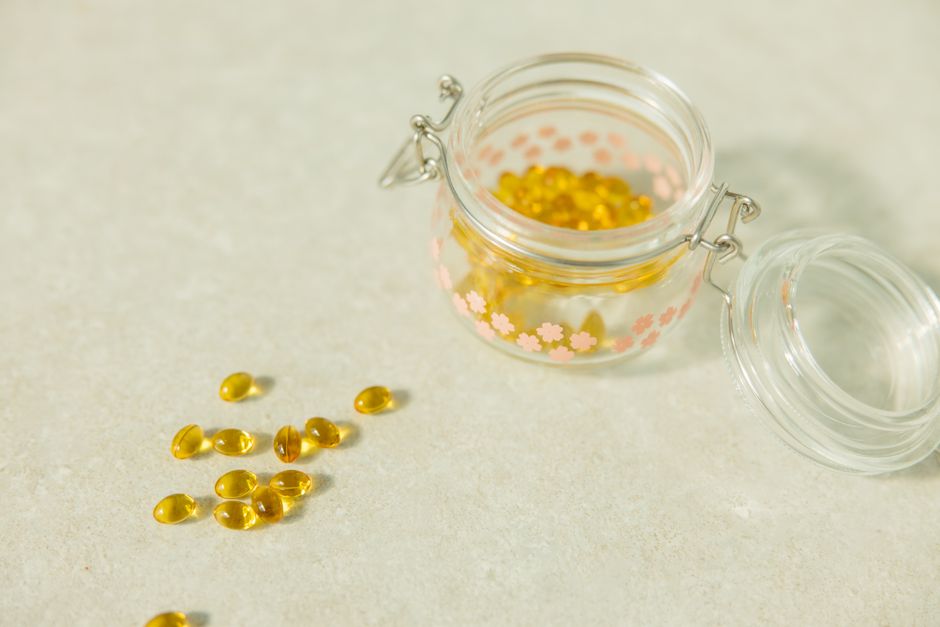
No vitamin erases wrinkles. That is the honest starting point. But two do have real evidence behind them for skin aging: vitamin A (in the form of retinol and prescription retinoids) and vitamin C. Retinol has the strongest record for improving fine lines and skin texture over time. Vitamin C supports collagen production and can help even out tone, though its wrinkle-specific evidence is weaker than retinol’s. If you want the short answer to “what vitamin is good for wrinkles” — it is vitamin A first, vitamin C second. Everything else is either supporting cast or marketing.
What Vitamin Is Good For Wrinkles: Retinol Or Vitamin C?
Retinol wins on wrinkles. That is not a close call in the research.
Retinol is a form of vitamin A. Your skin converts it into retinoic acid, the active compound that changes how skin cells behave. Retinoic acid has been studied for decades and remains the most consistently effective topical ingredient for photoaging — the wrinkles, roughness, and uneven pigment caused by sun exposure. Research consistently shows it improves fine lines and skin texture with regular use over months, not days.
Vitamin C does something different. It is a required cofactor for collagen synthesis — your body cannot build stable collagen without it. Applied to skin, it also acts as an antioxidant and can interfere with excess melanin production, which is why it is often used for dark spots and dullness. Some studies suggest it improves the appearance of fine lines, but the evidence is smaller and less consistent than the retinol literature.
One clarification worth making: retinol and vitamin C are not competing. They work through different pathways. Many dermatologists recommend using them at different times of day rather than choosing one.
How Does Retinol Actually Reduce Wrinkles?
Retinol works by changing gene expression in skin cells. Once converted to retinoic acid, it binds to receptors in the nucleus and alters how cells behave — increasing cell turnover, thickening the epidermis, and stimulating new collagen and elastin production in the dermis.
That last part matters most for wrinkles. Wrinkles form partly because the dermal layer loses collagen and elastin over time. Retinoic acid appears to push fibroblasts — the cells that make collagen — to produce more of it. This is a structural change, not a surface effect.
Two things follow from this:
- Results take time. Collagen remodeling is slow. Most studies measure meaningful improvement at 12 weeks or longer, with continued change over 6 to 12 months.
- Consistency matters more than strength. Using a moderate retinol regularly beats using a strong one twice and quitting because of irritation.
Prescription tretinoin (all-trans retinoic acid) is the most studied form. Over-the-counter retinol is weaker and must be converted by the skin, which makes it gentler but slower. Retinaldehyde sits in between. All three have evidence; the difference is potency and tolerability.
What Does Vitamin C Do For Skin That Retinol Does Not?
Vitamin C handles the parts of skin aging retinol does not touch well. It is a potent antioxidant that neutralizes free radicals from UV exposure before they damage collagen. It also inhibits tyrosinase, the enzyme involved in melanin production, which is why it helps with sun spots and uneven tone.
And it is required for collagen synthesis. Without vitamin C, the enzymes that stabilize collagen cannot function. This is why severe vitamin C deficiency causes scurvy, with its characteristic poor wound healing and skin breakdown. Topical vitamin C does not correct a deficiency you do not have, but it does appear to support collagen production in skin that is already under oxidative stress.
Where the evidence gets thinner: whether topical vitamin C visibly reduces established wrinkles. Some studies suggest modest improvement in fine lines. The effect is generally described as smaller than what retinol produces.
One practical problem with vitamin C is stability. L-ascorbic acid, the most studied form, oxidizes quickly when exposed to light and air. Once a serum turns orange or brown, it has largely degraded. Packaging matters — opaque, airless pumps preserve it better than dropper bottles. This is a formulation issue, not a marketing one.





Does Vitamin C Really Need To Be Applied In The Morning?
Morning application is the common recommendation, and the reasoning is sound even if the trials are not definitive. Vitamin C’s antioxidant role is most useful during the day, when UV exposure generates free radicals. Applying it before sun exposure means it is present when the oxidative stress happens.
Retinol, by contrast, is typically used at night. It makes skin more sensitive to UV, and some evidence suggests it degrades in sunlight. Night use also lets you avoid layering two potentially irritating products at once.
This morning/evening split is widely recommended in dermatology practice. It is reasonable and low-risk. It is not backed by large head-to-head trials proving the timing produces better wrinkle outcomes than other schedules.
What About Vitamin E, Niacinamide, And Other Ingredients?
Vitamin E (tocopherol) is often paired with vitamin C in serums. It is an antioxidant, and some research indicates the combination is more stable and effective than either alone. On its own, vitamin E has not been shown to reduce wrinkles meaningfully.
Niacinamide is vitamin B3. It is not a wrinkle treatment in the way retinol is, but it has decent evidence for improving skin barrier function, reducing redness, and lightening dark spots. It is also far better tolerated than retinol, which makes it useful for people who cannot use retinoids.
Vitamin K, vitamin B5, and various “skin vitamins” in supplements have little to no evidence for wrinkle reduction when applied topically. Oral collagen supplements are a separate category — some small studies suggest modest improvements in skin elasticity, but the evidence is not strong enough to call it established.
Here is the comparison in plain terms:
| Ingredient | Main Role | Wrinkle Evidence |
|---|---|---|
| Retinol / tretinoin | Cell turnover, collagen production | Strongest |
| Vitamin C | Antioxidant, collagen support, tone | Moderate for tone, modest for wrinkles |
| Niacinamide | Barrier, redness, pigment | Limited for wrinkles |
| Vitamin E | Antioxidant | Weak alone |
| Vitamin K, B5 | Various | Little to none |
Can You Use Retinol And Vitamin C Together?
Yes, but not at the same moment. The concern is not that they cancel each other out — that claim circulates widely and is not well supported. The real issue is irritation. Both can sting, and layering them increases the chance of redness, peeling, and barrier damage, especially when you are new to either.
The common approach is vitamin C in the morning and retinol at night. If your skin is sensitive, alternate nights, or start with one and add the other after a month.
Some clinicians recommend applying vitamin C and waiting before the next step. Others say it does not matter much. The evidence here is not strong enough to be firm about it. What matters more is that you actually use both consistently.
How Long Before You See Anything?
Weeks for texture, months for wrinkles. Retinol typically causes some initial flaking and irritation in the first two to four weeks as skin adjusts. Visible improvement in fine lines usually takes at least 12 weeks, and often longer.
Vitamin C is faster for tone — some people notice brighter skin within a few weeks. For wrinkles specifically, do not expect much before three months.
Nothing here is fast, and nothing here is permanent. These ingredients manage skin aging while you use them. Stop, and the effects fade. That is true of every topical wrinkle treatment with real evidence behind it.
What Else Actually Matters For Wrinkles?
Sunscreen. This is not a vitamin, and it is not optional. UV exposure is the single largest driver of visible skin aging. Retinol and vitamin C are working against a process that sunscreen slows at the source. Using either without daily sun protection is a losing trade.
Beyond that, sleep, not smoking, and general skin care — gentle cleansing and moisturizing — do more for skin appearance than most supplements or “miracle” ingredients. Smoking is strongly linked to accelerated skin aging. The evidence there is not in question.
Frequently Asked Questions
Is retinol or vitamin C better for wrinkles?
Retinol has the stronger evidence for reducing fine lines and improving skin texture. Vitamin C is better established for uneven tone and antioxidant protection, with more modest evidence for wrinkles.
Can I use retinol and vitamin C at the same time?
You can use both, but typically at different times — vitamin C in the morning and retinol at night. Using them together raises the risk of irritation, especially when you are starting out.
How long does retinol take to reduce wrinkles?
Most studies show meaningful improvement after at least 12 weeks, with continued change over 6 to 12 months. Early weeks often involve flaking and irritation as skin adjusts.
Does vitamin C serum really work on wrinkles?
Some studies suggest it improves fine lines, but the effect is generally smaller than retinol’s. Its stronger evidence is for brightening and protecting skin from oxidative damage.
