
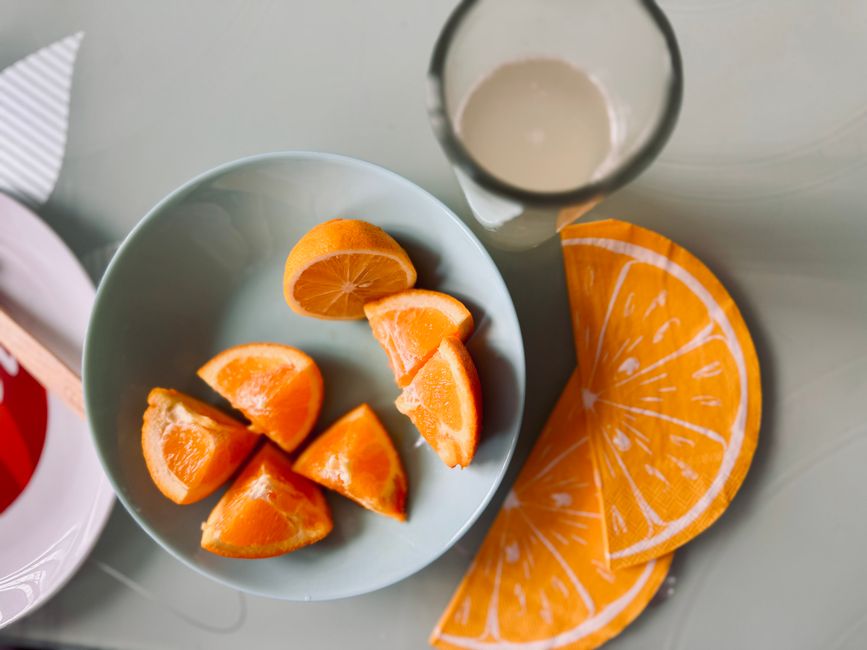
Oranges are famous for vitamin C, but they are not the top source. Many common foods have more vitamin C per serving. Bell peppers, kiwifruit, broccoli, and strawberries all beat oranges. A single yellow bell pepper has more than triple the vitamin C of one orange. This article covers the real high-vitamin C foods, what the evidence actually shows, and why you might want to eat them instead of reaching for orange juice.
Which Vegetables Have More Vitamin C Than Oranges?
Bell peppers are the clear winner here. One medium yellow bell pepper provides about 340 milligrams of vitamin C. That is over three times what a medium orange has. Red bell peppers have about 190 milligrams per cup. Green bell peppers have less, around 120 milligrams, but still more than an orange.
Broccoli is another strong option. One cup of cooked broccoli gives you about 100 milligrams of vitamin C. That is more than the 70 milligrams in a typical orange. Broccoli also provides fiber and vitamin K, which oranges do not offer in meaningful amounts.
Kale, Brussels sprouts, and cauliflower all beat oranges too. One cup of raw kale has about 80 milligrams. Brussels sprouts have around 75 milligrams per cup cooked. Cauliflower has about 50 milligrams per cup raw. These vegetables are not as high as bell peppers, but they still outperform the orange.
Which Fruits Have More Vitamin C Than Oranges?
Kiwifruit is a direct competitor. One medium kiwifruit has about 70 milligrams of vitamin C. That is equal to an orange in a smaller package. Two kiwifruits give you more than one orange without the sugar load of orange juice.
Strawberries are another fruit that beats oranges. One cup of sliced strawberries has about 90 milligrams of vitamin C. That is more than a whole orange. Strawberries also have less natural sugar than oranges, which matters for blood sugar control.
Papaya and guava are even higher. One cup of papaya has about 85 milligrams. Guava is a standout. One guava fruit has about 125 milligrams of vitamin C. That is nearly double an orange. Guava also provides lycopene, which supports heart health.
Cantaloupe and pineapple are moderate sources. One cup of cantaloupe has about 60 milligrams. One cup of pineapple has about 80 milligrams. Both are respectable but do not beat oranges by much. The real winners are kiwifruit, strawberries, papaya, and guava.
What Does Research on Vitamin C Sources Show?
Research published in the Journal of Food Composition and Analysis shows that yellow bell peppers have the highest vitamin C content among common vegetables. The study measured fresh produce and found that yellow peppers retain more vitamin C than red or green varieties because of their stage of ripeness.
The National Institutes of Health reports that the recommended daily intake of vitamin C is 90 milligrams for men and 75 milligrams for women. Smokers need an extra 35 milligrams per day because smoking depletes vitamin C. One yellow bell pepper covers over three times the daily need for most adults.
Studies have found that vitamin C from food is better absorbed than from supplements. A 2013 study in Nutrients showed that whole foods provide additional compounds like flavonoids that improve vitamin C uptake. This is why eating bell peppers or kiwifruit is more effective than taking a vitamin C pill alone.
Some studies suggest that cooking reduces vitamin C content. Boiling broccoli can cut vitamin C by up to 50 percent. Steaming or microwaving preserves more. Raw vegetables and fruits always give you the highest vitamin C levels.





Does What Has More Vitamin C Than Oranges Actually Matter for Health?
Yes, but not in the way most people think. Getting more vitamin C than an orange provides does not automatically mean better health. The body can only absorb so much at once. Excess vitamin C is excreted in urine. Eating three yellow bell peppers in one day will not give you triple the benefit of one orange.
What matters more is consistent intake. Spreading vitamin C foods across the day helps maintain steady blood levels. One serving of strawberries at breakfast and one serving of broccoli at dinner is better than one giant dose.
Vitamin C supports immune function, collagen production, and iron absorption. These benefits come from regular intake over time, not from a single high-dose food. The real value of foods with more vitamin C than oranges is that they let you meet your daily needs with less effort. One bell pepper covers your entire day. One orange only covers about 80 percent of the daily need for men.
There is no strong evidence that extra vitamin C prevents colds. Research from the Cochrane Collaboration found that regular vitamin C intake slightly reduces cold duration but does not prevent colds. Taking massive doses at the start of a cold does not help either. This is a common myth that persists despite clear evidence against it.
What Are the Best Ways to Eat High Vitamin C Foods?
Raw is best. Heat destroys vitamin C, so eat bell peppers, kiwifruit, and strawberries raw whenever possible. Add sliced bell peppers to salads or eat them with hummus. Kiwifruit is easy to eat whole after cutting it in half and scooping out the flesh.
If you cook vegetables, use gentle methods. Steaming broccoli for three to four minutes preserves most of the vitamin C. Microwaving with minimal water also works well. Boiling leaches vitamin C into the water, which you then pour away. Avoid boiling high-vitamin C vegetables.
Store produce properly. Vitamin C breaks down over time with exposure to air and light. Keep bell peppers and broccoli in the refrigerator in sealed bags. Use kiwifruit and strawberries within a few days of buying them. Frozen fruits and vegetables often retain vitamin C well because they are flash-frozen at peak ripeness.
Pair vitamin C foods with iron-rich foods. Vitamin C boosts absorption of non-heme iron from plant sources. Eating strawberries with spinach or bell peppers with beans helps your body use more iron. This is a practical benefit that goes beyond just getting vitamin C.
| Food | Serving Size | Vitamin C (mg) | Compared to One Orange |
|---|---|---|---|
| Yellow bell pepper | 1 medium | 340 | Over 3x more |
| Guava | 1 fruit | 125 | Nearly 2x more |
| Red bell pepper | 1 cup sliced | 190 | Over 2x more |
| Kiwifruit | 1 medium | 70 | Equal to orange |
| Strawberries | 1 cup sliced | 90 | More than orange |
| Broccoli | 1 cup cooked | 100 | More than orange |
| Orange | 1 medium | 70 | Baseline |
What Are Common Misconceptions About Vitamin C Sources?
Orange juice is not a great source. Many people think a glass of orange juice is the best way to get vitamin C. One cup of orange juice has about 120 milligrams, which is high. But juice lacks fiber and has a lot of sugar. Eating a whole orange or a bell pepper gives you vitamin C without the sugar spike.
Vitamin C supplements are not better than food. Some people believe that taking a 1000 milligram vitamin C pill is superior to eating high-vitamin C foods. The body absorbs only a fraction of high-dose supplements. The rest is excreted. Food sources provide vitamin C along with fiber, antioxidants, and other nutrients that supplements lack.
All citrus fruits are not equal. Lemons and limes have less vitamin C than oranges. One lemon has about 30 milligrams. One lime has about 20 milligrams. Grapefruit has about 40 milligrams per half fruit. Oranges are the highest among common citrus, but they still lose to bell peppers and kiwifruit.
Vitamin C does not cure the common cold. This misconception persists despite decades of research. The Cochrane review found no evidence that vitamin C prevents colds. Taking it after you are sick does not shorten the illness by more than a few hours. The immune support from vitamin C is real but subtle.
Frequently Asked Questions
What food has the highest vitamin C content?
Yellow bell peppers have the highest vitamin C content among common foods. One medium yellow bell pepper provides about 340 milligrams of vitamin C.
Is it better to get vitamin C from food or supplements?
Food sources are better because they provide fiber and other nutrients that help absorption. Supplements are not absorbed as well and can cause digestive upset at high doses.
Can you eat too much vitamin C from food?
It is very difficult to get too much vitamin C from food alone. The body excretes excess vitamin C, and food sources rarely provide the extremely high levels found in supplements.
Does cooking destroy vitamin C in vegetables?
Yes, heat destroys vitamin C. Boiling can reduce vitamin C by up to 50 percent. Steaming or microwaving preserves more of the vitamin.
