
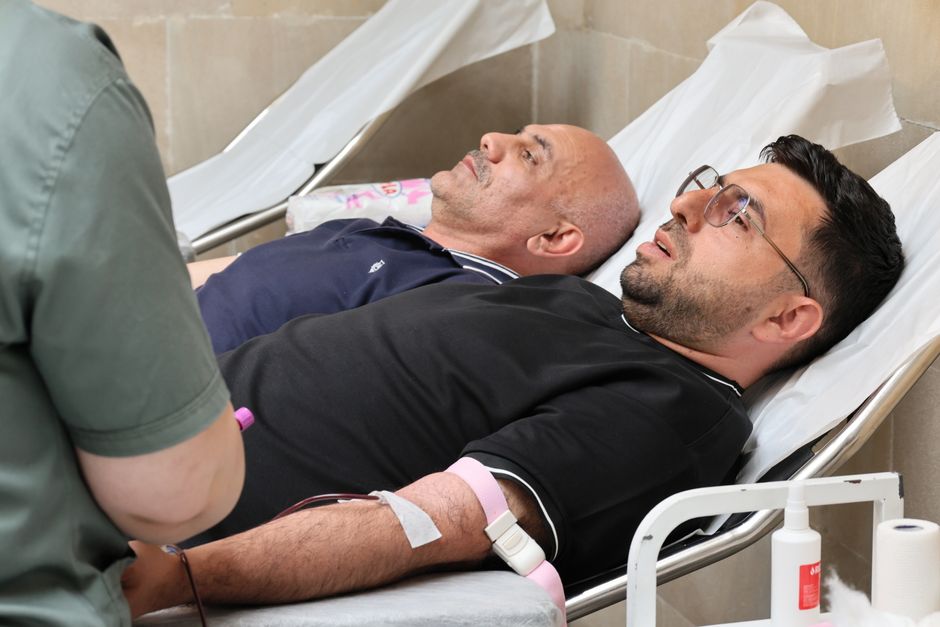
Donating blood saves lives. It does not lower your cholesterol in any meaningful, lasting way. That is the short answer, and it is worth understanding why, because the idea that blood donation can treat high cholesterol is one of the more persistent myths in health circles.
The confusion likely comes from a real medical practice called therapeutic blood removal. It is used for a small number of specific conditions, and one of them involves a blood test that looks a lot like a cholesterol panel. But the connection to ordinary cholesterol management is weak, and the evidence does not support using donation as a treatment.
Where did the idea that donating blood lowers cholesterol come from?
The myth traces back to a real treatment for a rare genetic condition. It is called therapeutic phlebotomy, and it means removing blood on purpose for medical reasons rather than for donation.
One condition treated this way is hemochromatosis. In hemochromatosis, the body absorbs and stores too much iron. Removing blood is an effective way to reduce that iron load, because red blood cells carry most of the body’s iron. That part is well established.
The confusion starts with a different condition called familial hypercholesterolemia. This is an inherited disorder that causes very high LDL cholesterol from birth. Some clinics use a procedure called LDL apheresis, which filters LDL cholesterol directly out of the blood. That is not the same as donating blood, and it is not the same as regular blood donation.
Another source of the myth is older research on something called blood viscosity. A few small studies looked at whether regular blood donation changes how thick or sticky the blood is. Some found modest changes in certain markers. But viscosity is not cholesterol, and changing one does not reliably change the other.
Does donating blood actually change your cholesterol numbers?
Donating blood does not lower your cholesterol level in any clinically meaningful way. When you donate, you remove about a pint of whole blood. Your body replaces the fluid within a day or two and the red blood cells over several weeks.
Cholesterol is not something your body simply runs out of when you lose blood. Most of the cholesterol in your bloodstream is made by your liver, and your liver keeps producing it. The small amount of cholesterol physically removed in a pint of blood is a tiny fraction of your total body pool, and it is replaced quickly.
What about the cholesterol carried inside the red blood cells you lose? Red blood cell membranes do contain cholesterol, and losing those cells removes some. But your body makes new red blood cells, and those new cells need cholesterol too. The net effect on your measured cholesterol panel is negligible.
This is where biological reasoning can mislead. It seems logical that removing blood would remove cholesterol. In practice, the body’s feedback systems compensate, and the number on your lab report does not move in a useful direction.
Can donating blood lower cholesterol? What the evidence shows
No clinical evidence confirms that routine blood donation is an effective treatment for high cholesterol. This is the key point, and it is worth stating plainly.
Some small studies have reported minor changes in certain blood markers after repeated donation. Results vary, and the studies are generally small and short. None of them show a change large enough to replace or meaningfully add to proven cholesterol treatments.
There is one important exception worth understanding. A small number of people have a condition called polycythemia, where the body makes too many red blood cells. For these patients, therapeutic phlebotomy is a standard treatment. It reduces red blood cell mass and can affect blood thickness. This is a specific medical situation managed by a doctor, not a reason for the general public to donate for cholesterol control.
If you have high cholesterol, the treatments with strong evidence behind them are diet changes, exercise, and in many cases medication such as statins. Blood donation is not on that list.





Is there any heart benefit to donating blood?
The evidence on blood donation and heart health is mixed and not strong enough to recommend donation as a heart-protective strategy. Some observational studies have suggested that regular donors have lower rates of heart disease. But observational studies cannot prove cause and effect.
People who donate blood regularly tend to be healthier in other ways. They are often more likely to see a doctor, more likely to be screened for health problems, and more likely to have healthy habits. These factors alone could explain the difference in heart disease rates.
When researchers have tried to control for these factors, the apparent benefit tends to shrink or disappear. That pattern is common in nutrition and lifestyle research, and it is a reason to be cautious about any single behavior being credited with protecting the heart.
Donating blood is a genuinely good thing to do. The benefit is to the person who receives it. Framing it as a personal health treatment oversells what the evidence supports.
How do you actually lower cholesterol?
The approaches with the strongest evidence are well established and have not changed much. They work by reducing how much LDL cholesterol your body produces or carries, or by helping your body clear it more effectively.
Diet and lifestyle changes are the foundation for most people. For some, especially those with a genetic cause of high cholesterol, medication is necessary and effective.
- Reduce saturated and trans fats. These have the biggest dietary impact on LDL cholesterol. Replacing them with unsaturated fats is a well-supported swap.
- Increase soluble fiber. Foods like oats, beans, and barley bind cholesterol in the gut and help remove it. This effect is modest but real.
- Move more. Regular physical activity raises HDL cholesterol and can lower LDL and triglycerides. The effect on LDL is generally modest.
- Consider plant sterols and stanols. These are added to some foods and can lower LDL cholesterol. The effect is real but small.
- Talk to your doctor about medication. Statins and other drugs have strong evidence for lowering LDL and reducing heart attack and stroke risk in people who need them.
None of these approaches involve removing blood. The mechanism is different, and the evidence is far stronger.
Does blood donation affect your cholesterol test results?
Donating blood can affect your lab results in the short term, but not in the way people hope. The main issue is that donation changes your blood volume and red blood cell count temporarily.
If you have a cholesterol test soon after donating, the results may not reflect your usual baseline. This is one reason to tell your doctor about any recent donation before a blood test. It is also a reason not to use a post-donation test to judge whether donation “worked.”
Some blood centers offer a cholesterol check as part of the donation process. These are usually screening tests, not diagnostic ones. They can give you a rough idea, but they are not a substitute for a proper lipid panel ordered by a doctor.
If you are tracking your cholesterol, get tested under consistent conditions. The same lab, similar timing, and a consistent fasting state (if your doctor recommends fasting) give you the most reliable comparison.
Is donating blood safe if you have high cholesterol?
In most cases, having high cholesterol does not disqualify you from donating blood. Blood centers screen donors for specific conditions, and high cholesterol by itself is usually not one of them.
However, eligibility depends on your overall health and any medications you take. Some medications or medical conditions can affect whether you can donate. The screening process at the blood center is designed to protect both you and the person receiving your blood.
If you have heart disease, a recent heart attack, or certain other conditions, you may be deferred. This is not about cholesterol itself. It is about making sure donation is safe for you.
The bottom line is simple. Donating blood is safe for most people and is a valuable act of service. It just should not be done with the expectation that it will fix your cholesterol.
Frequently Asked Questions
Can donating blood lower cholesterol?
No, donating blood does not lower cholesterol in any clinically meaningful way. Your liver continues producing cholesterol, and the small amount removed in a donation is replaced quickly.
Why do some people say blood donation lowers cholesterol?
The idea likely comes from confusion with therapeutic phlebotomy, which treats iron overload, and LDL apheresis, which filters cholesterol from the blood. Neither is the same as routine blood donation.
Does blood donation help with heart health?
The evidence is mixed, and observational studies cannot prove cause and effect. Any apparent heart benefit may reflect the fact that regular donors tend to be healthier overall.
Should I donate blood to treat high cholesterol?
No, blood donation is not a treatment for high cholesterol. If you have high cholesterol, talk to your doctor about proven approaches like diet, exercise, and medication when appropriate.
