
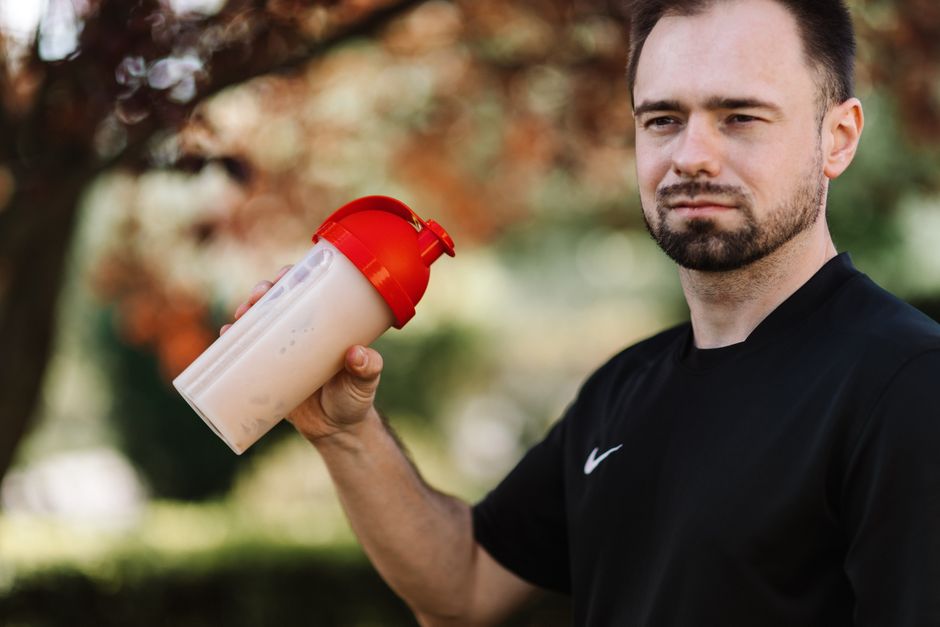
If you want the protein of a shake without the powder, the answer is ordinary food. Eggs, Greek yogurt, milk, chicken, fish, beans, lentils, tofu, and tempeh all deliver complete protein with the vitamins, minerals, and fiber that isolated powders strip away. A single cup of Greek yogurt or a can of tuna can match or beat the protein in a typical scoop, and it comes with a food matrix your body was built to digest.
Protein powder is not dangerous. It is simply a supplement — a convenience product designed to fill a gap. For most people eating regular meals, that gap does not exist. The real question is not whether powder is bad, but whether whole food does the job better. In most cases, it does, and it costs less per gram of protein.
What To Use Instead Of Protein Powder Real Foods?
Whole foods replace protein powder gram for gram, and often exceed it. One large egg has about 6 grams of protein. A cup of plain Greek yogurt has roughly 20 grams. A 3-ounce chicken breast has around 26 grams. That is more than most single scoops of whey, which typically land between 20 and 25 grams.
Here is how common foods stack up against a standard scoop. These figures come from USDA nutritional data.
| Food | Protein | Notes |
|---|---|---|
| Whey scoop (typical) | 20–25 g | Isolated, low in other nutrients |
| 3 oz chicken breast | ~26 g | Complete protein, B vitamins, selenium |
| 1 cup Greek yogurt | ~20 g | Calcium, probiotics, complete protein |
| 1 cup cooked lentils | ~18 g | Fiber, folate, iron |
| 3 oz canned tuna | ~20 g | Omega-3s, selenium |
| 1 cup cottage cheese | ~24 g | Casein, calcium |
| 1 cup firm tofu | ~20 g | Complete plant protein, calcium |
| 2 large eggs | ~12 g | Choline, B12, complete protein |
The pattern is clear. You do not need a powder to hit a protein target. You need food that happens to contain protein, eaten across the day.
How Much Protein Do You Actually Need?
The official recommended dietary allowance for protein is 0.8 grams per kilogram of body weight per day for most healthy adults. For a 150-pound person, that is about 54 grams. This is the amount needed to prevent deficiency, not necessarily the amount for optimal muscle building.
People who lift weights, are over 65, or are recovering from illness often benefit from more. Some research suggests 1.2 to 1.6 grams per kilogram per day supports muscle maintenance in older adults. Athletes may go higher. But here is the part the supplement industry skips: almost everyone eating a normal mixed diet already clears the RDA without trying.
Breakfast with two eggs and a cup of yogurt is roughly 32 grams. Lunch with a chicken breast is another 26. That is 58 grams before dinner. The powder is often solving a problem that does not exist.
Are Plant Proteins as Good as Animal Proteins?
Yes, with one caveat about variety. Animal proteins — meat, eggs, dairy — are complete, meaning they contain all nine essential amino acids in proportions the body uses efficiently. Most single plant foods are lower in one or more essential amino acids.
That sounds like a problem. It is not, because the body pools amino acids across the day. Eating rice and beans, or hummus and whole wheat pita, or tofu with quinoa, covers the gaps. You do not need to combine them in the same meal. That old rule about pairing plant proteins at every sitting has been largely retired by nutrition research.
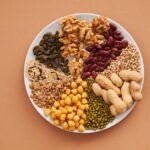
Soy stands out. Tofu, tempeh, and edamame are complete proteins on their own. So is quinoa, though it delivers less protein per serving than soy. For plant-based eaters, soy foods, lentils, chickpeas, and hemp seeds do the heavy lifting.
When Might a Protein Powder Still Make Sense?
There are real situations where powder helps. Someone with a poor appetite after surgery, a person with swallowing difficulty, an older adult who cannot eat enough at meals, or an athlete with very high protein needs and limited time. In those cases a shake is a practical tool, not a marketing trick.
What powder is not is necessary for the average person who eats three meals a day. Some clinicians recommend it for convenience and to close a gap. That is different from saying it is required. If you eat enough food, you are covered.
One more point worth knowing. Protein powders are supplements, which means they are regulated differently than drugs. Some third-party testing has found heavy metals in certain products. That does not mean all powders are contaminated, but it does mean the label is not a guarantee. Food does not carry that same uncertainty.
Does Whole Food Protein Build Muscle Differently?
Whole food protein supports muscle just as well as powder when total daily protein is matched. The research on this is fairly consistent. The body does not care much whether the amino acids arrived in a shaker or on a plate.
Where whole foods may have an edge is in everything around the protein. Milk, eggs, and meat come with leucine, an amino acid that triggers muscle protein synthesis. They also bring vitamin B12, iron, zinc, and choline. A powder isolates one nutrient and leaves the rest behind.
There is also the matter of how full you feel. Protein from solid food tends to satisfy hunger more than a liquid shake. If your goal is to eat less overall, a chicken breast beats a smoothie. If your goal is to eat more, the shake can help. Context matters.
What About Protein From Grains and Vegetables?
Every plant food contains some protein, and it adds up. A cup of cooked oatmeal has about 6 grams. A cup of broccoli has around 3. A baked potato has roughly 4. A cup of green peas has about 8. None of these is a protein powerhouse alone, but together they contribute meaningfully.
This is why people who eat a varied plant-based diet rarely fall short. The protein is spread across everything — the beans in your soup, the seeds on your salad, the whole grain in your bread. It accumulates without anyone counting it.
The exception is a diet built mostly on refined starches and sugar. White bread, soda, and chips are low in protein. If most of your calories come from those, you can fall short. The fix is not powder. It is adding beans, eggs, dairy, or soy to meals you already eat.
Do You Need Protein Right After a Workout?
The “anabolic window” — the idea that you must consume protein within 30 minutes of training — has been overstated. Total daily protein intake matters far more than timing for most people. Some research suggests eating protein within a few hours around training is helpful, but the window is wider than the fitness industry claims.
If you ate a meal with protein two hours before your workout, you are fine waiting until your next meal. If you trained fasted and feel depleted, eating soon after makes sense. Either way, the source can be food. A turkey sandwich does the same job as a shake.
How to Add Protein Without Powder
Small changes add up fast. You do not need to rebuild your diet. You need to nudge a few meals.
- Add a scoop of cottage cheese or Greek yogurt to breakfast.
- Top salads with chickpeas, edamame, or canned salmon.
- Keep hard-boiled eggs in the fridge for quick snacks.
- Stir lentils or white beans into soups and pasta sauce.
- Choose whole grain bread over white for a few extra grams.
- Snack on nuts, seeds, or roasted soybeans instead of chips.
None of these requires a blender or a subscription. They require a grocery list.
The Bottom Line on Replacing Protein Powder
Whole food replaces protein powder easily for most people. Eggs, dairy, meat, fish, soy, beans, and lentils deliver protein alongside nutrients a powder cannot replicate. If you eat regular meals with a protein source at each one, you are almost certainly meeting your needs without a supplement.
Powder is not the enemy. It is a convenience product with a narrow use case. If you have a genuine gap — poor appetite, high athletic demand, medical recovery — it can help. For everyone else, the answer is on your plate, not in a tub.
Frequently Asked Questions
What can I use instead of protein powder?
Eggs, Greek yogurt, cottage cheese, chicken, fish, tofu, tempeh, lentils, and beans all provide protein comparable to or greater than a typical scoop. A cup of Greek yogurt or 3 ounces of chicken each deliver about 20 to 26 grams.
Is it better to get protein from food than powder?
For most people, whole food is the better default because it also provides vitamins, minerals, and fiber that isolated powder lacks. Powder is useful mainly when appetite, time, or medical needs make eating enough food difficult.
Can I build muscle without protein powder?
Yes. Muscle growth depends on total daily protein and resistance training, not on the source. Research consistently shows whole food protein supports muscle when daily intake is adequate.
How much protein do I need per day without supplements?
The recommended dietary allowance is 0.8 grams per kilogram of body weight for most healthy adults. Active people and older adults often benefit from more, but this is usually achievable through regular meals alone.
