
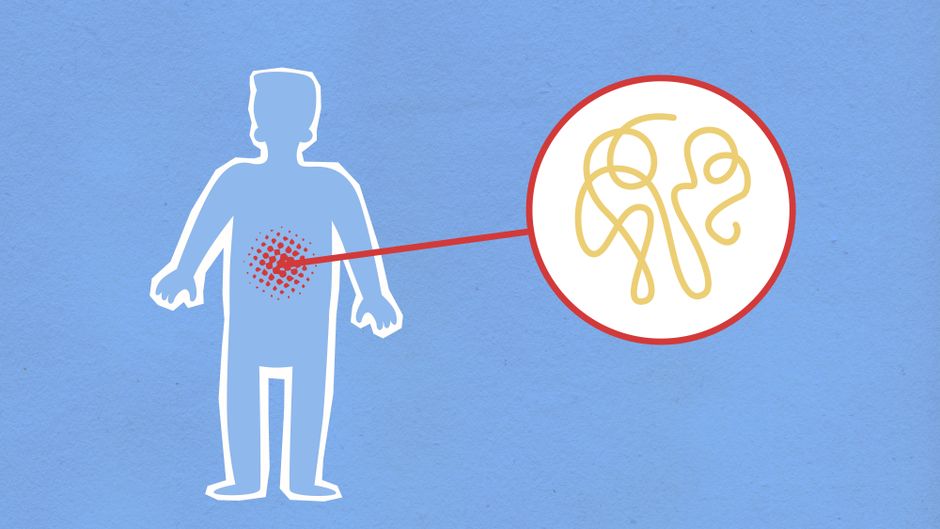
The stomach virus hits fast. One moment you feel fine, the next you are making urgent trips to the bathroom. What you need most is clear, honest advice on what actually helps. For most adults, the best approach is rest, clear fluids with electrolytes, and time. No medication kills the virus itself. Your body clears it on its own within one to three days. The goal is preventing dehydration while you wait it out.
What Actually Causes a Stomach Virus?
The term “stomach virus” usually means viral gastroenteritis. Norovirus is the most common cause in adults. Rotavirus is more common in children. These viruses inflame the lining of your stomach and intestines. That inflammation causes vomiting, diarrhea, and stomach cramps.
It is not the flu. Influenza attacks your respiratory system. Stomach viruses attack your digestive tract. The CDC reports that norovirus causes about 19 to 21 million cases of vomiting and diarrhea in the United States each year. Most people recover without any medical treatment.
Bacteria like salmonella or E. coli can cause similar symptoms. But viral infections are far more common. If you have a fever over 101.5°F, blood in your stool, or symptoms lasting more than three days, see a doctor. These signs point to something other than a routine stomach virus.
What To Take For Stomach Virus to Prevent Dehydration
Dehydration is the real danger with stomach viruses. Your body loses water and electrolytes through vomiting and diarrhea. Replacing them is your top priority. Plain water alone is not enough. You need electrolytes like sodium and potassium to keep your body working right.
Oral rehydration solutions are the gold standard. Products like Pedialyte or generic versions contain the right balance of sugar and salts. The World Health Organization has used similar formulas for decades to treat dehydration worldwide. They work because the sugar helps your intestines absorb the salts and water.
Clear broths work well too. Chicken or vegetable broth provides sodium and fluids. Sports drinks like Gatorade are an option but contain more sugar than ideal. High sugar can sometimes make diarrhea worse. Dilute sports drinks with equal parts water if that is all you have.
Sip small amounts frequently. A few tablespoons every 10 to 15 minutes is better than chugging a full glass. Your inflamed gut handles small volumes better. If you vomit after drinking, wait 30 minutes and try again with a smaller sip.
What Medications Actually Help With Symptoms
No medication kills the stomach virus. But some can make the symptoms more manageable. The key is knowing which ones are safe and which ones can make things worse.
Bismuth subsalicylate, sold as Pepto-Bismol, can help with nausea and diarrhea in adults. Research published in the Journal of Travel Medicine found it reduces the frequency of loose stools. Do not give it to children or teenagers recovering from a virus. It contains aspirin-like compounds linked to Reye syndrome, a rare but serious condition.
Loperamide, sold as Imodium, stops diarrhea by slowing gut movement. It works well for mild diarrhea. But do not use it if you have a fever or bloody stool. Slowing the gut when there is a bacterial infection can trap harmful bacteria inside your body. The American College of Gastroenterology advises against using it when there is fever or blood in the stool.
Anti-nausea medications like ondansetron require a prescription. Some studies show they reduce vomiting enough to let people keep fluids down. This can prevent a trip to the emergency room for IV fluids. Ask your doctor if this is an option for your situation.

What Foods Help and What Foods Hurt
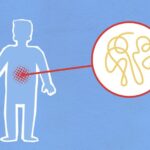
Your gut needs a break. But once the worst vomiting passes, gentle foods can help you regain strength. The BRAT diet has been recommended for years. Bananas, rice, applesauce, and toast are easy to digest and low in fiber. They give your intestines a break from hard work.
Research on the BRAT diet is limited. It works for some people but lacks protein and fat. You will feel weak if you stay on it too long. After 24 hours, add plain crackers, boiled potatoes, or baked chicken without skin. These provide more balanced nutrition without irritating your gut.
| Foods That Help | Foods to Avoid |
|---|---|
| Bananas | Dairy products (milk, cheese, yogurt) |
| White rice | Fried or greasy foods |
| Plain toast or crackers | Spicy foods |
| Clear broth | High-sugar drinks and candy |
| Baked or boiled potatoes | Caffeinated beverages |
Dairy is a common trigger during recovery. Many people become temporarily lactose intolerant after a stomach virus. The virus damages the cells that produce lactase, the enzyme that breaks down milk sugar. Avoid milk, cheese, and ice cream for a few days. Yogurt with live cultures is sometimes tolerated but test it carefully.
Common Misconceptions About Stomach Virus Treatments
Many viral health claims online are not backed by evidence. Activated charcoal is one example. Some people claim it absorbs toxins and stops diarrhea. Strong evidence for this in viral gastroenteritis does not exist. The American Academy of Clinical Toxicology advises against using charcoal for diarrhea caused by viruses. It can cause vomiting and dehydration in people who are already losing fluids.
Apple cider vinegar is another popular home remedy. People claim it kills viruses or balances gut bacteria. As of 2026, there is no clinical evidence that apple cider vinegar shortens a stomach virus. It is acidic and can irritate an already inflamed throat and stomach lining. Skip it.
Ginger is different. Some studies suggest ginger can reduce nausea. Research published in the journal Nutrients found ginger effective for nausea in pregnancy and chemotherapy. For stomach viruses, the evidence is weaker but ginger tea or chews are unlikely to cause harm. Just avoid large amounts which can cause heartburn.
Probiotics are a mixed story. Some evidence indicates certain strains like Lactobacillus rhamnosus GG may shorten diarrhea duration by about one day. But not all probiotics work the same. The effects are modest. If you have probiotic supplements at home, they are worth trying. Do not expect dramatic results.
When to See a Doctor Instead of Treating at Home
Most stomach viruses resolve on their own. But some situations require medical attention. Signs of severe dehydration include dry mouth, dark urine, dizziness when standing, and urinating less than every eight hours. In young children, look for crying without tears and fewer wet diapers than usual.
A fever above 102°F in adults or 100.4°F in infants under three months needs evaluation. Blood in vomit or stool is never normal. Severe abdominal pain that does not come and go in waves could signal appendicitis or another issue.
People with weakened immune systems, pregnant women, and older adults should be more cautious. These groups are at higher risk for complications from dehydration. If you cannot keep any fluids down for 24 hours, you may need IV fluids at a clinic or hospital. Do not wait until you feel extremely weak to seek help.
How to Avoid Spreading the Virus to Others
Stomach viruses are highly contagious. Norovirus spreads through tiny particles of vomit or stool. You can catch it from contaminated surfaces, food, or direct contact with an infected person. Hand sanitizer is not enough. Norovirus is resistant to alcohol-based sanitizers. Wash your hands with soap and water for at least 20 seconds.
Bleach-based cleaners are the most effective for surfaces. Mix one cup of bleach with nine cups of water. Wipe down bathroom fixtures, door handles, and kitchen counters. Wash any bedding or clothing that may have been contaminated in hot water.
Stay home until at least 48 hours after your last episode of vomiting or diarrhea. You can still spread the virus even after you feel better. The CDC recommends this waiting period to reduce the risk to others. Returning to work or school too early often starts a new round of illness in your household or workplace.
Frequently Asked Questions
What is the fastest way to get rid of a stomach virus?
No treatment makes the virus leave faster. Your immune system clears it in one to three days. Focus on preventing dehydration with small sips of oral rehydration solution.
Is Pepto-Bismol safe for stomach virus?
It is safe for adults but not for children or teenagers due to the risk of Reye syndrome. It can reduce nausea and diarrhea but does not kill the virus.
Can I take Imodium for stomach virus?
Only if you have no fever and no blood in your stool. If those signs are absent, it can reduce diarrhea. If present, skip it and see a doctor.
What should I eat after a stomach virus stops?
Start with bland foods like bananas, rice, applesauce, and toast. Add plain crackers and baked chicken after 24 hours. Avoid dairy and greasy foods for a few days.
