
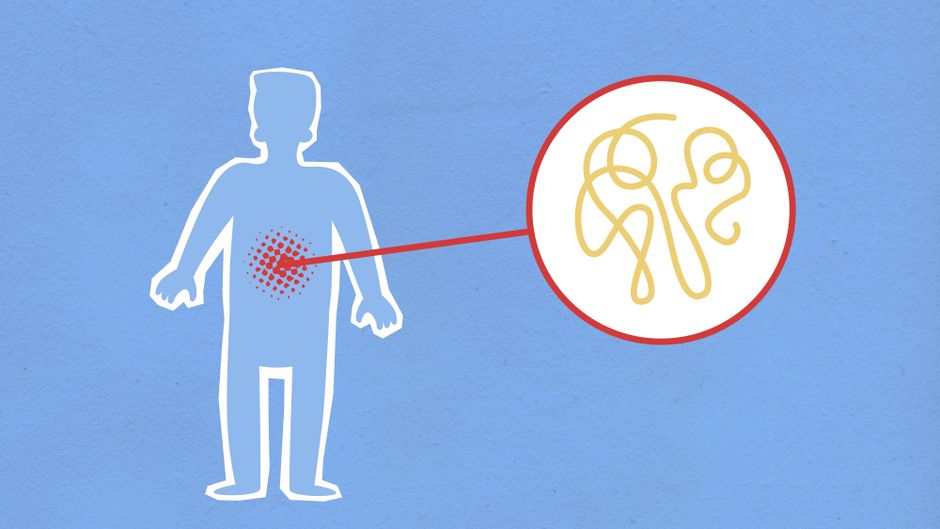
When you get a stomach virus, your main job is to rest your digestive system and prevent dehydration. Stop eating solid food for a few hours. Sip clear liquids slowly — small amounts every 10 to 15 minutes. Do not force food. Your body needs time to clear the infection. Most stomach viruses resolve on their own within 24 to 48 hours if you manage fluids correctly.
How Do You Know It Is a Stomach Virus and Not Food Poisoning?
Stomach viruses and food poisoning share many symptoms. Both can cause vomiting, diarrhea, stomach cramps, and nausea. The difference is in timing and duration.
With a stomach virus, symptoms usually start 12 to 48 hours after exposure. The virus spreads from person to person through close contact or contaminated surfaces. Food poisoning hits faster — often within 2 to 6 hours of eating contaminated food. It also tends to clear up faster, usually within 12 to 24 hours.
Research from the CDC indicates that norovirus causes about 19 to 21 million cases of stomach illness in the United States each year. That is the most common stomach virus. Food poisoning from bacteria like Salmonella or E. coli is less common but can be more severe. If multiple people who ate the same meal get sick at the same time, food poisoning is more likely.
One practical clue: stomach viruses often cause low-grade fever. Food poisoning from toxins usually does not. If you have a fever over 101°F along with vomiting and diarrhea, a virus is the more likely cause.
What To Do When You Get A Stomach Virus — Step by Step
The first step is to stop eating. Give your stomach a break for 4 to 6 hours. Your digestive system is inflamed. Food will only make vomiting and diarrhea worse during this period.
Start with clear liquids only. Water is fine, but you lose more than water when you vomit or have diarrhea. You also lose sodium, potassium, and chloride. Oral rehydration solutions like Pedialyte or store-brand versions replace these electrolytes better than water alone. Sports drinks have too much sugar, which can worsen diarrhea.
Sip slowly. Take one tablespoon every 10 minutes. If that stays down, increase to two tablespoons after an hour. Do not gulp. Drinking too fast triggers vomiting again.
After 6 to 8 hours without vomiting, try bland foods. The BRAT diet works well — bananas, rice, applesauce, and toast. These foods are low in fiber and easy to digest. Add plain crackers, boiled potatoes, or clear broth. Avoid dairy, fatty foods, spicy foods, and anything with high fiber for at least 24 hours.
Rest is not optional. Your immune system needs energy to fight the virus. Lying down also reduces nausea for many people.
What Should You Drink and What Should You Avoid?
Clear liquids are your friend. Water, oral rehydration solutions, clear broth, and diluted apple juice are safe choices. Herbal teas like ginger or peppermint can help settle your stomach. Ginger has some evidence from studies published in the Journal of Gastroenterology for reducing nausea.
Avoid dairy products entirely. Milk, cheese, and yogurt are hard to digest when your intestines are inflamed. Lactose intolerance is common during and right after a stomach virus. Many people who normally digest milk fine find it causes gas and cramps during illness.
Avoid caffeine. Coffee, tea, and soda stimulate the digestive tract and can make diarrhea worse. Caffeine also dehydrates you, which is the opposite of what you need.
Avoid alcohol completely. Alcohol irritates the stomach lining and dehydrates the body. It also weakens your immune response. Do not drink alcohol until you have been symptom-free for at least 48 hours.
Avoid sugary drinks. Fruit juices, soda, and sports drinks have high sugar content. Sugar pulls water into the intestine, making diarrhea worse. Stick to low-sugar clear liquids.

How Do You Prevent Dehydration During a Stomach Virus?
Dehydration is the most serious complication of a stomach virus. The CDC reports that dehydration from viral gastroenteritis sends about 200,000 children to emergency rooms in the US each year. Adults are also at risk, especially older adults and people with chronic conditions.
Watch for these signs of dehydration: dark yellow urine, urinating less than every 6 hours, dry mouth, dizziness when standing, and extreme thirst. In children, also watch for crying without tears and unusual sleepiness.
Oral rehydration solutions are the most effective way to prevent dehydration. The World Health Organization has used simple oral rehydration salts for decades to treat dehydration from diarrhea worldwide. These solutions have the right balance of sugar and electrolytes for your body to absorb water efficiently.
You can make your own oral rehydration solution at home. Mix 6 teaspoons of sugar and half a teaspoon of salt into 1 liter of clean water. Stir until dissolved. This matches the WHO recipe. Do not use honey or artificial sweeteners as substitutes — they do not work the same way.
Here is a quick comparison of drink options during a stomach virus:
| Drink | Good or Bad | Why |
|---|---|---|
| Oral rehydration solution | Best choice | Replaces fluids and electrolytes |
| Water | Good | Hydrates but does not replace electrolytes |
| Clear broth | Good | Provides sodium and some calories |
| Diluted apple juice | Okay in small amounts | Lower sugar than regular juice |
| Sports drinks | Not recommended | Too much sugar, not enough electrolytes |
| Milk | Avoid | Hard to digest during illness |
| Coffee | Avoid | Caffeine dehydrates and stimulates digestion |
| Alcohol | Avoid | Dehydrates and irritates stomach |
What Medications Are Safe for Stomach Virus Symptoms?
Most stomach viruses do not need medication. They are caused by viruses, not bacteria, so antibiotics do nothing. Antiviral medications for stomach viruses do not exist for common causes like norovirus.
Anti-diarrhea medications like loperamide (Imodium) are generally not recommended. Some studies suggest they can make viral gastroenteritis last longer by keeping the virus in your system. The American College of Gastroenterology advises against using anti-diarrhea drugs if you have a fever or bloody diarrhea. These can be signs of a bacterial infection that needs medical attention.
Pain relievers can help with fever and body aches. Acetaminophen (Tylenol) is safer than ibuprofen (Advil) during a stomach virus. Ibuprofen can irritate the stomach lining and make nausea worse. Acetaminophen does not have that effect. Follow the dosing instructions on the bottle. Do not exceed the maximum daily dose.
Anti-nausea medications like ondansetron (Zofran) require a prescription. Some evidence shows they can reduce vomiting and prevent dehydration in children. Ask your doctor if you or your child cannot keep any fluids down. This is a reasonable option when vomiting is severe.
Probiotics are widely discussed but the evidence is mixed. Some studies suggest certain strains like Saccharomyces boulardii may shorten diarrhea duration by about one day. Other studies show no benefit. The evidence is not strong enough to recommend them routinely. They are unlikely to cause harm if you want to try them, but do not expect a dramatic effect.
When Should You See a Doctor for a Stomach Virus?
Most stomach viruses do not need a doctor visit. But some situations require medical attention. Know the warning signs.
See a doctor if you cannot keep any fluids down for more than 24 hours. This puts you at high risk for dehydration. If you are vomiting every time you try to drink, you may need IV fluids.
See a doctor if you have signs of severe dehydration. These include not urinating for 8 hours or more, feeling faint when standing, rapid heart rate, and confusion. Severe dehydration can be dangerous, especially for older adults and young children.
See a doctor if you have bloody vomit or bloody diarrhea. This suggests a more serious infection, possibly bacterial. Bloody diarrhea can also be a sign of inflammatory bowel disease flaring up.
See a doctor if your fever goes above 102°F and lasts more than 2 days. Most stomach virus fevers are low-grade and resolve within 24 to 48 hours. A high fever that persists may indicate a bacterial infection or another condition.
See a doctor if you have severe abdominal pain that does not come and go with cramping. Constant severe pain can be a sign of appendicitis or another problem that is not a stomach virus.
Seek emergency care immediately if you cannot wake up, have trouble breathing, or have a stiff neck with fever. These are rare but serious signs that need urgent evaluation.
How Long Does a Stomach Virus Last and When Can You Return to Normal Life?
Most stomach viruses last 24 to 48 hours. Symptoms usually peak in the first 12 to 24 hours and then gradually improve. Some people feel weak and tired for a few days after the vomiting and diarrhea stop. This is normal. Your body used a lot of energy fighting the infection.
You are contagious from the moment symptoms start until at least 48 hours after symptoms end. Norovirus, the most common stomach virus, can spread in tiny particles of vomit or stool. You can get infected by touching contaminated surfaces and then touching your mouth. The virus can live on surfaces for days.
Do not go back to work or school until you have been symptom-free for at least 48 hours. This is not just about feeling better. You can still spread the virus even if you feel fine. The CDC recommends staying home for 48 hours after your last episode of vomiting or diarrhea.
Wash your hands frequently with soap and water during and after illness. Hand sanitizer does not kill norovirus well. Soap and water are much more effective. Wash for at least 20 seconds.
Clean contaminated surfaces with a bleach-based cleaner. Mix 5 to 25 tablespoons of bleach per gallon of water depending on the surface. Regular household cleaners may not kill norovirus. Wash bedding and clothing that may have been contaminated in hot water.
Common Misconceptions About Stomach Viruses
One common myth is that you need to take antibiotics for a stomach virus. Antibiotics kill bacteria, not viruses. Taking antibiotics for a stomach virus does nothing to help and can cause side effects like diarrhea and yeast infections. Do not ask your doctor for antibiotics for a stomach virus.
Another myth is that you should starve yourself for days. The old advice was “starve a fever, feed a cold.” That is not accurate. Your body needs some nutrition to recover. After the initial 4 to 6 hour break, start with small amounts of bland food. Starving yourself for longer than that can slow recovery.
Some people believe that vomiting is necessary to “get the virus out.” Vomiting is a reflex your body uses, but it does not clear the infection. The virus is already in your digestive tract. Forcing yourself to vomit or taking ipecac syrup is dangerous and not recommended. Let your body do what it needs to do naturally.
A final myth is that you cannot get a stomach virus more than once. You can get norovirus multiple times in your life. There are many different strains. Having one strain does not give you immunity to others. Good hand hygiene is your best protection.
Frequently Asked Questions
Can I eat anything during a stomach virus?
Stop eating for the first 4 to 6 hours. After that, start with bland foods like bananas, rice, applesauce, and toast if you have not vomited in several hours.
Is it safe to take Imodium for diarrhea from a stomach virus?
Most doctors advise against it. Anti-diarrhea medications can keep the virus in your system longer and may cause complications if you have a bacterial infection.
How do I clean my house after someone has a stomach virus?
Use a bleach-based cleaner on all hard surfaces. Wash bedding and clothes in hot water. Wash your hands with soap and water frequently — hand sanitizer does not kill norovirus.
When can my child go back to school after a stomach virus?
Wait at least 48 hours after the last episode of vomiting or diarrhea. Children can still spread the virus even after symptoms stop.
