
Stomach viruses hit hard and fast. One moment you feel fine, the next you are dealing with vomiting, diarrhea, and stomach cramps. The most important thing you need to do is prevent dehydration. Your body is losing fluids rapidly, and replacing them is your top priority. Rest your stomach, sip clear liquids, and let your immune system do its job. Most people recover within one to three days without any specific medical treatment.
What Exactly Is a Stomach Virus?
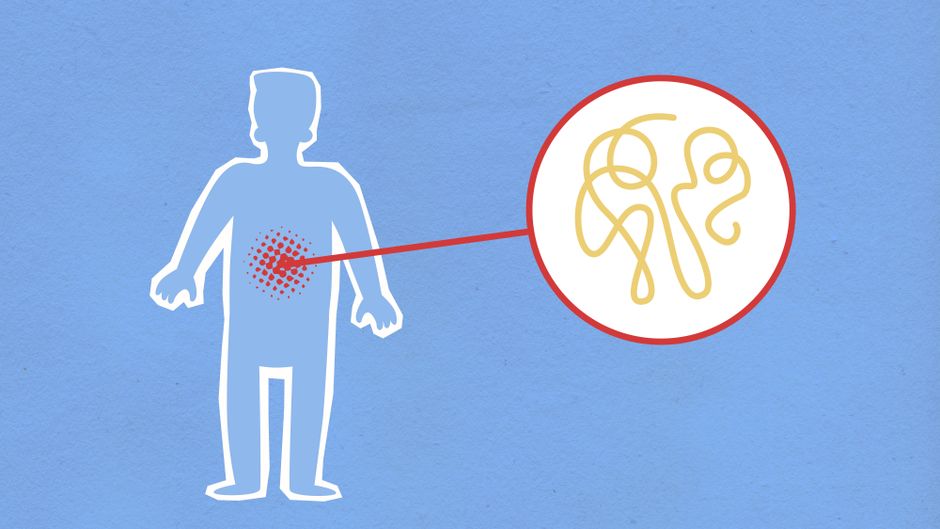
A stomach virus is not really a virus that attacks your stomach. It is a viral infection of your intestines. Doctors call it viral gastroenteritis. Norovirus is the most common cause in the United States. The CDC reports that norovirus causes about 19 to 21 million cases of vomiting and diarrhea each year.
Rotavirus is another common cause, especially in children. There is a vaccine for rotavirus, but there is no vaccine for norovirus as of 2026. These viruses inflame the lining of your stomach and intestines. That inflammation is what causes your symptoms. It is not the same as the flu, which is a respiratory illness. The name “stomach flu” is misleading but widely used.
What Are the First Signs You Have It?
Symptoms usually start 12 to 48 hours after you are exposed. Nausea comes first for many people. Then vomiting follows, often suddenly and forcefully. Watery diarrhea may start a few hours later. Stomach cramps and a low-grade fever are common.
Some people also get body aches and headaches. The CDC notes that symptoms typically last one to three days. In some cases, diarrhea can persist for up to a week. If you have blood in your vomit or stool, that is not typical for a stomach virus. You should contact a doctor if that happens.
The virus spreads easily through contaminated food, water, or surfaces. It also spreads through direct contact with an infected person. You are contagious from the moment you feel sick until at least three days after you recover.
How To Stomach Virus: What Actually Helps You Recover
The main goal is to keep your fluid levels up. Dehydration is the biggest risk with stomach viruses. Your body loses water and electrolytes through vomiting and diarrhea. Plain water is fine for mild cases, but you lose more than just water. You lose sodium, potassium, and chloride.
Oral rehydration solutions are the most effective option. These are not sugary sports drinks. They have a specific balance of salts and sugars that help your intestines absorb water. The World Health Organization has used this formula for decades. You can buy them at most drugstores. Pedialyte is one common brand for children and adults.
Some studies suggest that diluted apple juice followed by your preferred fluids may work for mild cases. A 2016 study published in JAMA found that children with mild gastroenteritis who drank diluted apple juice had fewer treatment failures than those who drank electrolyte solution. This does not apply to severe cases. If you cannot keep any liquids down, you need medical attention.




What Should You Eat and Drink During Recovery
Start with clear liquids only. Sips of water, clear broth, or an oral rehydration solution are best. Do not force yourself to eat if you feel nauseous. Your digestive system needs time to calm down.
Once vomiting stops for several hours, you can try bland foods. The BRAT diet is commonly recommended. BRAT stands for bananas, rice, applesauce, and toast. These foods are low in fiber and easy to digest. They also provide some nutrients without irritating your intestines further.
There is no strong clinical evidence that the BRAT diet speeds up recovery. But it is a safe starting point. Other bland options include plain crackers, boiled potatoes, and clear soups without dairy. Avoid fatty, spicy, or sugary foods until you feel completely better. Dairy products can be hard to digest for a few days after a stomach virus. Some people develop temporary lactose intolerance after an infection.
| Fluid Type | Best For | What to Avoid |
|---|---|---|
| Oral rehydration solution | Moderate to severe fluid loss | Do not dilute further |
| Clear broth | Mild nausea, early recovery | High-sodium canned soups |
| Diluted juice | Mild cases in children | Full-strength juice (too much sugar) |
| Water | Mild symptoms only | Ice chips if vomiting is active |
What Treatments and Medications Actually Work
Antibiotics do not work against viruses. Taking them for a stomach virus is useless and can cause side effects. Antiviral medications are not available for norovirus or rotavirus. Your immune system has to clear the infection on its own.
Some over-the-counter medications can help with symptoms but use them carefully. Loperamide (Imodium) can reduce diarrhea. The CDC advises against using it if you have a fever or bloody stool. It can make some bacterial infections worse. Bismuth subsalicylate (Pepto-Bismol) may help with nausea and diarrhea for some people. It is not recommended for children or people taking blood thinners.
Probiotics are often promoted for stomach viruses. Some research suggests they may shorten the duration of diarrhea by about one day. A 2020 review in the Cochrane Database of Systematic Reviews found that probiotics likely make little or no difference to the number of people who get better. The evidence is not strong enough to recommend them routinely. They are unlikely to cause harm for most healthy adults.
How to Stop the Virus from Spreading to Others
Stomach viruses are highly contagious. Norovirus can survive on surfaces for weeks. Hand sanitizer does not kill norovirus effectively. Soap and water are much better. Wash your hands thoroughly after any contact with the sick person or their belongings.
Clean contaminated surfaces with a bleach-based cleaner. The CDC recommends a solution of 5 to 25 tablespoons of household bleach per gallon of water. Let it sit on the surface for at least five minutes. Wash laundry that has been in contact with vomit or stool on the hottest setting possible.
Do not prepare food for others while you are sick. Stay home from work or school until at least 48 hours after your symptoms stop. You can still spread the virus even after you feel better. Children should stay home from daycare or school for the same period.
When Should You See a Doctor
Most people do not need medical care for a stomach virus. But some situations require attention. Signs of severe dehydration include dry mouth, dark urine, dizziness when standing, and decreased urination. In children, look for crying without tears, unusual sleepiness, and dry diapers for more than six hours.
Seek medical help if you cannot keep any fluids down for more than 24 hours. Also seek help if you have severe abdominal pain, bloody vomit, or bloody diarrhea. A fever above 102°F in adults or 100.4°F in infants under three months warrants a call to your doctor. People with weakened immune systems, older adults, and pregnant women should be more cautious.
Emergency rooms can provide intravenous fluids to treat dehydration quickly. This is the main treatment they offer. There is no test that changes the treatment for most cases. Doctors diagnose viral gastroenteritis based on your symptoms and a physical exam.
Common Misconceptions About Stomach Viruses
One widespread myth is that you need to starve a stomach virus. That is not true. Your body needs energy to fight off the infection. You do not need to force food, but once you can tolerate it, eating bland foods helps your recovery. Another myth is that vomiting is helpful. It is not. It is your body’s reaction to inflammation, not a way to clear the virus.
Some people think activated charcoal helps with stomach viruses. There is no clinical evidence that it works for viral gastroenteritis. It can interfere with medications and cause side effects. Similarly, apple cider vinegar is widely promoted online but has no proven benefit for stomach viruses. The acidity may actually irritate your stomach lining further.
A final misconception is that you cannot get a stomach virus more than once. You can. There are many different strains of norovirus and rotavirus. Having one does not give you immunity to others. That is why outbreaks happen repeatedly in communities and on cruise ships.
Frequently Asked Questions
How long does a stomach virus last?
Most stomach viruses last between one and three days. Some cases of diarrhea can continue for up to a week.
Can you prevent a stomach virus after being exposed?
There is no proven way to stop it once you are exposed. Washing your hands thoroughly may reduce the amount of virus you ingest.
Is it safe to take Imodium for a stomach virus?
It is safe for most adults if you do not have a fever or bloody stool. Check with a doctor if you are unsure.
Does the stomach flu shot prevent norovirus?
No. The flu shot prevents influenza, which is a respiratory virus. There is no vaccine for norovirus as of 2026.
