
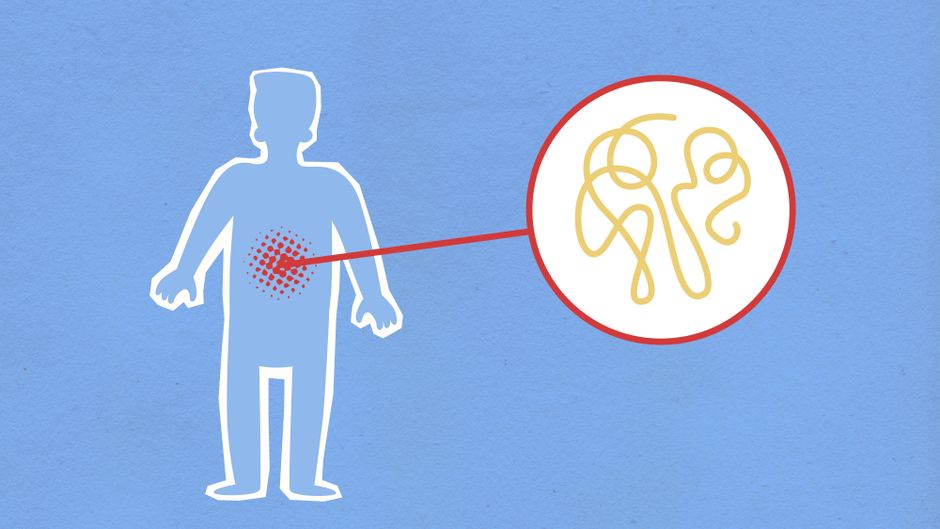
A stomach virus hits fast. One moment you feel fine, and the next you are dealing with nausea, vomiting, and diarrhea. The immediate answer is to focus on hydration and rest. Most stomach viruses clear up on their own within a few days, and the main goal is preventing dehydration while your immune system does the work. You do not need antibiotics, because antibiotics do not kill viruses. You need fluids, time, and careful attention to your symptoms.
What Causes a Stomach Virus?
The term “stomach virus” usually refers to viral gastroenteritis. This is an infection of the intestines, not the stomach alone. Norovirus is the most common cause in adults. Rotavirus is more common in children, though vaccination has reduced its impact significantly. Other viruses can cause it too, but norovirus is the usual culprit behind outbreaks in households, cruise ships, and schools.
These viruses spread easily. You can get them from contaminated food or water, touching a contaminated surface and then touching your mouth, or close contact with someone who is infected. The virus can survive on surfaces for days, which is why it moves through families so quickly.
How Long Does a Stomach Virus Last?
Most stomach viruses run their course in 24 to 72 hours. The acute phase of vomiting and diarrhea typically lasts one to two days. Some people feel weak and tired for a few more days after the main symptoms stop. That is normal.
Norovirus symptoms usually begin 12 to 48 hours after exposure. Rotavirus symptoms often start within two days. The duration depends on the specific virus and your overall health. Children, older adults, and people with weakened immune systems may take longer to recover.
What Do You Do For A Stomach Virus?
The single most important thing is hydration. Vomiting and diarrhea cause your body to lose water and electrolytes rapidly. Sip small amounts of fluid frequently. Water is fine, but oral rehydration solutions are better because they replace the salt and potassium you lose. These are available at most drugstores under brand names like Pedialyte or generic store versions.
For adults, sports drinks can work in a pinch, but they contain a lot of sugar, which can worsen diarrhea. If you cannot keep fluids down, try taking very small sips every five to ten minutes. A teaspoon at a time is enough. Ice chips or frozen popsicles can also help you get fluids in slowly.
Rest is the second priority. Your body is fighting an infection, and that takes energy. Stay home from work or school. Lie down. Do not push yourself to resume normal activity until you feel ready.



What Should You Eat After a Stomach Virus?
Do not force food while you are actively vomiting. Let your stomach settle for a few hours. Once you can keep fluids down, start with bland, easy-to-digest foods. The BRAT diet — bananas, rice, applesauce, and toast — is a common starting point. These foods are gentle on the stomach and low in fiber.
Other options include plain crackers, boiled potatoes, and clear broths. Avoid dairy, fatty foods, spicy foods, and anything heavily seasoned for a few days. Your intestines are inflamed, and these foods can make diarrhea worse. Gradually return to your normal diet as your symptoms improve.
Some research suggests that probiotics may help shorten the duration of diarrhea in some cases. The evidence is not strong enough to recommend them universally, but they are unlikely to cause harm for most people. If you choose to try them, wait until the acute vomiting phase has passed.
When Should You See a Doctor?
Most stomach viruses do not require medical attention. But dehydration can become dangerous, especially for young children, older adults, and people with chronic conditions. Watch for these warning signs:
- No urine output for eight hours or more, or dark urine
- Dry mouth and lips, or no tears when crying
- Dizziness or lightheadedness when standing
- Blood in vomit or stool
- High fever above 102°F that does not come down
- Severe abdominal pain that is not relieved by passing gas or having a bowel movement
- Symptoms that last longer than three days without improvement
For babies and young children, dehydration can develop quickly. Call your pediatrician if your child has not had a wet diaper in six hours, has a dry mouth, or is unusually sleepy or irritable. For adults, seek medical care if you cannot keep any fluids down for more than 24 hours.
How Do You Prevent Spreading a Stomach Virus?
Handwashing is the most effective prevention. Use soap and warm water, and scrub for at least 20 seconds. Alcohol-based hand sanitizers are less effective against norovirus, so soap and water are preferred whenever available.
Clean contaminated surfaces with a bleach-based cleaner. Standard household disinfectants may not kill norovirus. A solution of one part bleach to nine parts water is effective for hard surfaces. Wash laundry thoroughly in hot water if it has been soiled by vomit or stool.
Stay home for at least 48 hours after your symptoms stop. You can still shed the virus and infect others even after you feel better. This is especially important if you work in food service, healthcare, or childcare. Do not prepare food for others while you are sick or for two days after symptoms resolve.
What Does Not Work for a Stomach Virus?
Antibiotics do not work. They target bacteria, not viruses. Taking them for a stomach virus can cause side effects and contribute to antibiotic resistance.
Anti-diarrheal medications like loperamide (Imodium) are generally not recommended for viral gastroenteritis. They can slow the elimination of the virus from your body and may make the infection last longer. In some cases, they can be dangerous. Avoid them unless a doctor specifically advises them.
Antiemetic medications to stop vomiting may be prescribed in some cases, but they are not routinely recommended for everyone. They can help prevent dehydration in severe cases, but they also carry side effects. Do not use over-the-counter motion sickness pills for this purpose.
Frequently Asked Questions
Can you catch a stomach virus from someone before they have symptoms?
Yes, you can. People infected with norovirus can spread the virus before they feel sick, usually starting about a day before symptoms appear.
Is a stomach virus the same as food poisoning?
No, but they look similar. Food poisoning comes from toxins in contaminated food, while a stomach virus is an actual viral infection. The symptoms can be nearly identical, and the treatment is the same for both.
Can you get a stomach virus more than once?
Yes. There are many different viruses that cause gastroenteritis, and immunity to one does not protect you from others. Norovirus itself has multiple strains, so you can catch it repeatedly.
Does activated charcoal help with a stomach virus?
No clinical evidence confirms this. Activated charcoal is sometimes used for certain types of poisoning, but it has not been shown to help with viral gastroenteritis.
The bottom line is simple: hydrate, rest, and wait. Stomach viruses are miserable but usually short-lived. Your body knows how to fight them. Your job is to stay out of the way and keep fluids coming in. If you cannot keep fluids down for more than a day, or if you see signs of severe dehydration, get medical help.
