
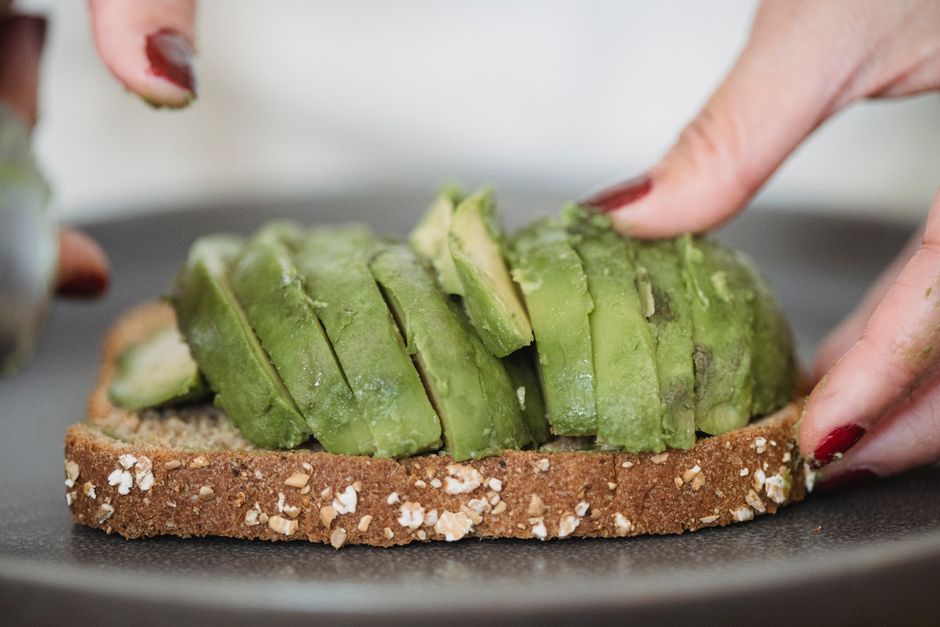
Avocado toast has become a staple breakfast and snack for good reason. The combination of creamy avocado and toasted bread delivers healthy fats, fiber, and carbohydrates in one simple package. What you put on top determines whether that meal stays a light snack or becomes a balanced, satisfying plate. The best toppings add protein, vegetables, or bold flavor without undoing what makes avocado toast work in the first place.
What To Put On Avocado Toast?
The most satisfying toppings fall into a few categories: eggs, fish, vegetables, dairy, and seasonings. Each adds something different. Eggs bring protein and healthy fats. Fish adds omega-3 fatty acids. Vegetables contribute fiber and micronutrients. Dairy offers creaminess and calcium. Seasonings tie everything together without adding many calories.
A few combinations that work well:
- Poached or fried egg with red pepper flakes and flaky salt
- Smoked salmon with capers, red onion, and dill
- Cherry tomatoes with balsamic drizzle and fresh basil
- Cottage cheese with everything bagel seasoning and sliced cucumber
- Roasted chickpeas with tahini and lemon
- Sliced radishes with sea salt and lime
- Feta or goat cheese with honey and crushed pistachios
One thing worth knowing: the fat in avocado helps your body absorb fat-soluble vitamins from other toppings. Vitamins A, D, E, and K need fat to be absorbed properly in the small intestine. So pairing avocado with vitamin-rich vegetables like spinach or tomatoes isn’t just a flavor choice — it may actually improve nutrient uptake.
Are Eggs the Best Topping for Avocado Toast?
Eggs are the most popular avocado toast topping in the United States, and the nutritional logic holds up. One large egg provides about 6 grams of protein and 5 grams of fat, along with choline, vitamin D, and B12. Combined with the fiber and monounsaturated fat from avocado, this creates a meal with staying power.
How you cook the egg matters less than you might think. A poached egg has fewer added calories than one fried in butter. But the difference is modest. What matters more is what you eat with it.
If you’re watching cholesterol, current dietary guidance from major health organizations has moved away from strict limits on dietary cholesterol for most healthy adults. The relationship between dietary cholesterol and blood cholesterol is more complicated than once believed. For people with certain conditions like familial hypercholesterolemia or existing cardiovascular disease, a doctor’s guidance still matters.
Eggs aren’t the only protein option. Tofu scramble, tempeh, or even a scoop of cottage cheese work well for people who avoid eggs or want variety.
What About Smoked Salmon and Other Fish?
Smoked salmon is one of the most nutrient-dense toppings you can add. A typical 2-ounce serving provides roughly 10 to 12 grams of protein and a meaningful dose of omega-3 fatty acids. Those fats are associated with heart health and may support brain function, though the evidence on cognitive outcomes is mixed and still being studied.
Other fish options work too. Canned tuna, sardines, or even leftover grilled salmon flaked over toast all deliver similar benefits. Canned sardines in particular are inexpensive, high in omega-3s, and low in mercury compared to larger predatory fish.
A note on sodium: smoked salmon is cured with salt and can be high in sodium. If you’re managing blood pressure, keep portions reasonable and balance it with lower-sodium toppings during the rest of your day. The American Heart Association generally recommends staying under 2,300 milligrams of sodium per day for most adults, and ideally closer to 1,500 milligrams for those with hypertension.




Can Vegetables Make Avocado Toast Healthier?
Vegetables add volume, fiber, and micronutrients with very few calories. They also add texture and color, which makes the toast more satisfying to eat.
Good options include:
- Sliced tomatoes (especially in summer)
- Baby spinach or arugula
- Roasted red peppers
- Thinly sliced cucumber
- Shredded carrots with rice vinegar
- Corn kernels with chili powder and lime
- Sautéed mushrooms with thyme
Tomatoes and avocado are a particularly good pair. Tomatoes are rich in lycopene, a carotenoid that has been studied for its role in prostate health and cardiovascular health. Lycopene is fat-soluble, meaning it absorbs better when eaten with fat. The avocado provides that fat.
Leafy greens like arugula and spinach add folate, vitamin K, and nitrates. Some research suggests dietary nitrates from vegetables may support blood vessel function, though the effect size in healthy adults is generally modest.
What Seasonings and Spreads Work Best?
Seasoning is where avocado toast goes from plain to memorable. The right combination of salt, acid, and heat makes the flavors pop without adding significant calories.
Reliable choices:
- Flaky sea salt — enhances the natural creaminess of avocado
- Fresh lemon or lime juice — adds brightness and helps slow browning
- Red pepper flakes — mild heat that balances richness
- Everything bagel seasoning — sesame, poppy seeds, garlic, onion, salt
- Za’atar — a Middle Eastern blend of thyme, sesame, and sumac
- Chili crisp — crunchy, spicy, and savory
- Balsamic glaze — sweet and tangy, pairs well with tomatoes
Spreads are a different category. Butter adds saturated fat and calories but also flavor. Olive oil is a heart-healthier alternative and provides additional monounsaturated fat. Hummus or tahini add protein and sesame-based nutrients. Pesto brings basil, pine nuts, and parmesan into the mix.
One caution: some spreads and seasonings are high in sodium. Everything bagel seasoning, for example, contains salt as a primary ingredient. If you’re watching sodium, use it sparingly or make your own blend with less salt.
What Should You Avoid Putting on Avocado Toast?
Not every topping supports the nutritional profile of avocado toast. Some common additions can turn a balanced meal into something closer to a dessert or a sodium bomb.
Worth limiting:
- Heavy amounts of butter — adds saturated fat without much nutritional benefit
- Sweet spreads like jam or honey — fine occasionally, but they add sugar and can spike blood glucose
- Processed meats like bacon or ham — associated with increased risk of certain cancers and heart disease when eaten regularly, according to the World Health Organization and other health agencies
- Excessive cheese — adds saturated fat and sodium; a little feta or goat cheese is fine, but piling on cheddar changes the balance
- Fried toppings — fried eggs, fried onions, or fried shallots add calories and may introduce trans fats depending on the oil used
This isn’t about banning foods. It’s about understanding what each topping contributes. A slice of bacon occasionally isn’t a health crisis. But if avocado toast is a daily habit, the cumulative effect of toppings matters.
Does the Bread You Choose Matter?
Yes, and it may matter as much as the toppings. The bread is the foundation, and different types vary widely in fiber, protein, and glycemic impact.
Whole grain breads generally contain more fiber and micronutrients than white bread. Fiber slows digestion and helps moderate blood sugar response. Sourdough has a slightly lower glycemic index than many white breads due to the fermentation process, though the difference is modest. Sprouted grain breads tend to be higher in protein and fiber.
If you have diabetes or prediabetes, the type of bread and the total carbohydrate load of your meal matter. Pairing carbohydrates with fat and protein — which avocado toast naturally does — helps slow glucose absorption. That’s one reason avocado toast tends to produce a gentler blood sugar response than toast with jam alone.
Portion size also matters. A thick slice of artisan bread can contain 30 to 40 grams of carbohydrates. A thinner slice or a smaller piece brings that down. For most adults, one or two slices with generous toppings is a reasonable meal.
Frequently Asked Questions
Is avocado toast actually healthy?
Yes, when made with whole grain bread and nutrient-rich toppings. Avocado provides monounsaturated fat and fiber, but the overall health value depends heavily on what else you add.
What is the best protein to put on avocado toast?
Eggs and smoked salmon are the most nutrient-dense options, offering complete protein along with additional vitamins and omega-3 fats. Cottage cheese and tofu also work well for variety.
Can I eat avocado toast every day?
For most people, yes, as part of a varied diet. Watch total calories and sodium if you use salty toppings like smoked salmon or everything bagel seasoning regularly.
What goes well with avocado besides eggs?
Tomatoes, smoked salmon, feta, roasted chickpeas, and cottage cheese all pair well. Fresh herbs like basil, dill, and cilantro add flavor without many calories.
