
An impacted pore is a hair follicle blocked by a plug of dead skin cells and sebum — the oil your skin produces naturally. It shows up as a blackhead, a whitehead, or a small bump, and it is not an infection on its own. Clearing one means loosening that plug without damaging the pore or the skin around it, and most people can do this at home with a few consistent habits.
What Is An Impacted Pore And How Do You Clear It?
Every pore on your skin is the opening of a hair follicle. Each follicle contains a hair and a sebaceous gland that releases sebum to keep skin lubricated. Sebum normally flows up and out along the hair shaft.
An impacted pore happens when that flow gets blocked. Dead skin cells that would normally shed get trapped, mix with sebum, and form a plug. The medical term for this is a comedo. A comedo that stays open at the surface is a blackhead. One that closes over is a whitehead.
This is the starting point for acne, but an impacted pore is not the same thing as a pimple. A pimple involves bacteria and inflammation. A comedo is a blockage first.
Clearing it comes down to three things: loosening the plug, keeping the pore from re-clogging, and not making it worse by squeezing. Squeezing is the most common mistake. It pushes debris deeper and can inflame or tear the follicle, which turns a minor blemish into a red, swollen one — and sometimes a scar.
Why Do Pores Get Impacted In The First Place?
Pores get impacted when sebum production, skin cell shedding, and the pore opening fall out of balance. Several factors push that balance in the wrong direction.
Excess sebum. Sebaceous glands are sensitive to hormones called androgens, which rise during puberty and can fluctuate throughout adult life. More sebum means more material available to form a plug.
Abnormal skin cell shedding. In people prone to acne, the cells lining the follicle do not shed normally. They stick together and build up, narrowing or sealing the pore opening.
Bacteria. A bacterium called Cutibacterium acnes lives on everyone’s skin. It does not cause a blocked pore, but when a pore is blocked and deprived of oxygen, this bacterium can multiply and trigger inflammation. That is the step that turns a comedo into an inflamed pimple.
Inflammation. The body’s immune response to all of the above adds redness, swelling, and tenderness.
Other things that contribute include certain cosmetics and skincare products, some medications, friction from helmets or tight clothing, and hormonal changes. Diet and stress are often blamed, but the evidence for both is mixed and generally weaker than people assume.
What Does An Impacted Pore Look Like?
An impacted pore usually looks like a small bump with a dark or light center. The appearance depends on whether the pore stays open or closes.
- Blackheads (open comedones): The plug is exposed to air. The dark color is not dirt. It comes from melanin, the skin’s pigment, reacting with oxygen. This is one of the most misunderstood points about blackheads — scrubbing harder does not remove them because they are not dirt.
- Whiteheads (closed comedones): The pore opening is covered by a thin layer of skin. The plug looks white or flesh-colored and sits slightly raised.
Impacted pores are most common on the face, especially the nose, forehead, and chin. They also appear on the back, chest, and shoulders, where sebaceous glands are dense.
They are different from other bumps you might see. Milia are small, hard white cysts that are not connected to a pore opening. Sebaceous hyperplasia is an enlarged oil gland, common with age. If a bump is new, changing, bleeding, or does not look like a typical blackhead or whitehead, it should be checked by a doctor rather than treated at home.





How Do You Clear An Impacted Pore?
Clearing an impacted pore takes weeks, not days. The plug forms over time, and it loosens over time. Consistency matters more than intensity.
Ingredients That Help
A few over-the-counter ingredients have good evidence behind them for comedonal acne.
- Salicylic acid. A beta-hydroxy acid that is oil-soluble, so it can get into the pore and help loosen the plug. It is widely used and generally well tolerated. It can be drying, especially at higher strengths.
- Benzoyl peroxide. Reduces C. acnes bacteria and helps with inflammation. It does not dissolve a plug directly, so it is more useful once a pore is inflamed than for a plain blackhead.
- Retinoids. Adapalene is available over the counter. Prescription retinoids like tretinoin are also used. Retinoids help normalize how skin cells shed, which addresses the root of the blockage. They can cause irritation and sun sensitivity at first, and results take time.
Some clinicians also recommend topical retinoids as a first-line approach for comedonal acne because they target the shedding problem rather than just the surface. That reflects common clinical practice and guideline direction rather than a single definitive trial.
What About Extraction?
Professional extraction by a dermatologist or licensed esthetician can remove a plug. It is done with sterile tools and controlled pressure. Doing this at home with fingernails or improvised tools is a different situation — it often damages the follicle and pushes material deeper, which can worsen inflammation and lead to scarring.
What Does Not Work
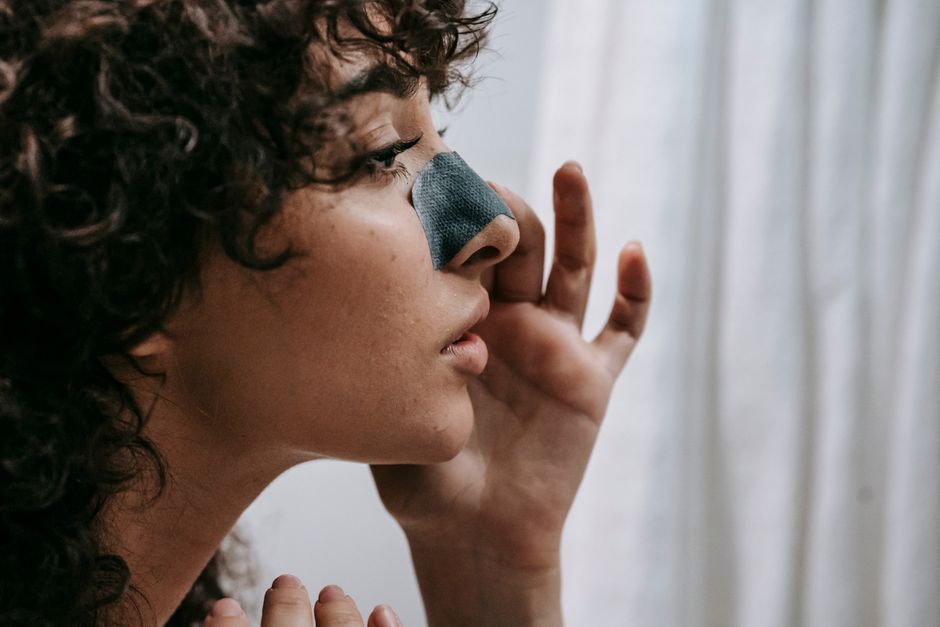
Scrubbing with harsh exfoliants, pore strips, and “pore vacuums” are popular but limited. Pore strips can pull out some surface material, but they do not address the cause, and the pore refills. Aggressive scrubbing irritates skin and can increase oil production and inflammation. No product permanently shrinks a pore — pore size is largely determined by genetics and oil gland size.
How Do You Keep Pores From Getting Impacted Again?
Prevention is mostly about keeping the pore opening clear and not irritating the skin.
- Wash your face twice a day with a gentle, non-comedogenic cleanser. Harsh soaps strip the skin and can trigger more oil production.
- Use non-comedogenic moisturizer and makeup. “Non-comedogenic” means the product is formulated to be less likely to clog pores.
- Do not pick, squeeze, or scrub. This is the single most useful habit to break.
- Be patient with any active ingredient. Retinoids and acids can take several weeks of regular use before you see a clear change.
- Protect your skin from the sun, especially if you use retinoids, which make skin more sensitive.
If your skin does not improve after consistent use of over-the-counter options, or if you have many inflamed pimples, nodules, or cysts, a dermatologist can offer prescription treatments. Cystic and nodular acne in particular can scar, so earlier treatment tends to be better than waiting.
When Should You See A Doctor?
Most impacted pores are a cosmetic concern, not a medical emergency. But some situations call for a professional.
See a doctor or dermatologist if you have deep, painful lumps, widespread inflammation, or scarring. Also see one if a bump is changing, growing, bleeding, or does not respond to treatment. A dermatologist can tell the difference between a comedo and something that only looks like one.
If you are pregnant or breastfeeding, check with a clinician before using retinoids or salicylic acid products. Some ingredients are not recommended during pregnancy, and guidance here is specific to your situation.
Frequently Asked Questions
Are blackheads actually dirt?
No. The dark color comes from melanin pigment reacting with oxygen, not from dirt or poor hygiene. Scrubbing harder will not remove them and can irritate your skin.
Can you permanently shrink a pore?
No product permanently shrinks a pore. Pore size is largely determined by genetics and the size of your oil glands, though keeping pores clear can make them look smaller.
How long does it take to clear an impacted pore?
It usually takes several weeks of consistent treatment, not days. Over-the-counter ingredients like salicylic acid and adapalene often need regular use before you see a clear change.
Is it safe to squeeze a blackhead at home?
Squeezing at home often pushes debris deeper and can inflame or tear the follicle, leading to scarring. Professional extraction by a dermatologist or licensed esthetician is safer.
