
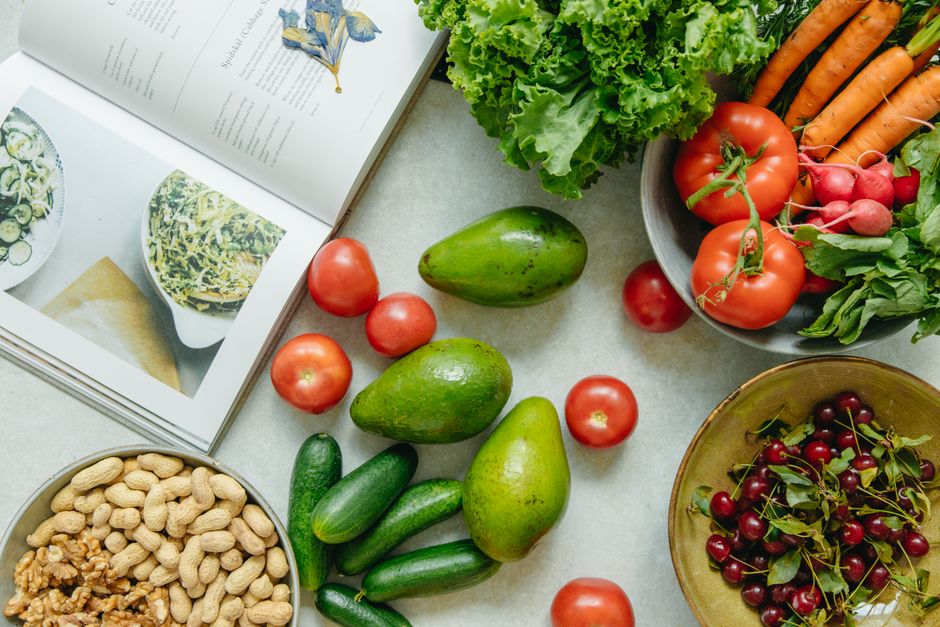
You can tell a lot about an avocado before you cut it open. A ripe Hass avocado feels heavy for its size, yields gently when you press it near the stem, and has a small button-like stem that sits slightly proud of the fruit. If the stem has fallen out and you can see green underneath, the avocado is ready to eat. If you see brown, it is overripe.
That is the short answer. The rest of this article explains each step in detail, what the signals mean, and how to avoid the two most common mistakes: buying a rock-hard avocado you need today, and cutting into a fruit that looks fine but has already gone bad inside.
How To Know If An Avocado Is Good: The Step-by-Step Check
Work through these checks in order. Each one tells you something different, and together they give you a reliable read on ripeness and quality.
- Look at the color. A Hass avocado darkens as it ripens, moving from bright green to deep purple-black. Color alone is not reliable, because some Hass avocados stay greenish even when ripe, and other varieties barely change color at all.
- Feel the weight. A good avocado feels heavy for its size. Lightness can mean the fruit has lost moisture and is past its prime.
- Press gently near the stem. This is the most useful test. Use your thumb, not your fingertips. A ripe avocado gives slightly and springs back. A hard avocado is unripe. A fruit that stays dented where you pressed is overripe.
- Check the stem. If the little stem is still attached, the fruit is likely underripe. If it has fallen off and you see green beneath, it is ripe. Brown underneath means it is past its best.
- Skip fruit with soft dark patches. Large bruised areas, sunken spots, or visible mold mean the flesh underneath is likely damaged or decayed.
The press test does most of the work. Everything else is a supporting signal.
What Does a Ripe Avocado Feel Like?
A ripe avocado feels firm but gives slightly under gentle pressure, and the spot you pressed returns to its original shape. That spring-back is the key detail. An avocado that holds the indentation has gone soft and is likely overripe.
Use the palm of your hand rather than your fingertips when you can. Fingertip pressure concentrates force in one spot and bruises the flesh beneath the skin. Those bruises turn into brown streaks that show up when you cut the fruit open, even though the outside looked fine when you bought it.
If you are shopping for several days ahead, buy avocados that are still firm and let them ripen at home. If you need one for tonight, look for the gentle give at the stem end.
Why Does the Stem Tell You So Much?
The stem area, sometimes called the cap, is a small window into the inside of the fruit. When the stem is attached and tight, the avocado has not fully ripened. When it loosens and falls away, you can see the color of the flesh just under the surface.
Green under the stem is a good sign. Brown or dark under the stem usually means the fruit has started to break down from the inside, and the flesh below will likely show discoloration or a stringy texture.
This is not a perfect test. An avocado can have a green stem area and still have a hidden bruise elsewhere. But it is one of the more useful quick checks you can do in a store without damaging the fruit.





How Can You Tell If an Avocado Has Gone Bad?
Once you cut an avocado open, the signs of spoilage are usually obvious. The flesh should be creamy green to yellow-green, with a buttery texture and a mild, slightly nutty smell.
Signs an avocado has gone bad include:
- Large brown or black areas running through the flesh, not just a thin edge near the skin
- A stringy, slimy, or mushy texture rather than a smooth one
- A sour, rancid, or off smell
- Visible mold, which may appear as white, gray, or greenish fuzz
- A hollow or watery cavity inside the fruit
Small brown spots near the skin are common and usually harmless. They come from handling and oxidation, and you can cut them away. Widespread brown discoloration with a bad smell is a different situation. That fruit should be thrown out.
One clarification worth knowing: browning in an avocado is mostly caused by an enzyme called polyphenol oxidase reacting with oxygen. It is the same process that turns a cut apple brown. It is not a sign of spoilage by itself. Texture and smell are better guides than color alone.
How Do You Ripen a Hard Avocado Faster?
Avocados ripen after harvest, and you can speed that up at home. The fruit produces ethylene gas, a natural plant hormone that drives ripening. Trapping that gas around the fruit speeds the process.
The common method is to place the avocado in a paper bag and fold the top closed. Adding a banana or an apple to the bag increases the ethylene concentration and can shorten the wait. A paper bag works because it holds some gas while still letting a little air move through. A sealed plastic bag is not a good choice, because trapped moisture encourages mold.
Room temperature is fine for ripening. Refrigeration slows the process, which is useful once the avocado is ripe but not before. An unripe avocado put in the fridge may sit for a week or more without softening much.
How long ripening takes depends on how firm the fruit was when you bought it and the temperature in your kitchen. A very hard avocado can take several days. A fruit that is already starting to give may be ready the next day. Check it daily with the press test rather than relying on a set number of days.
Should You Store Avocados in the Fridge or on the Counter?
Counter for ripening, fridge for holding. That is the short version.
An unripe avocado belongs on the counter at room temperature. Once it reaches the ripeness you want, move it to the refrigerator, where the cold slows further ripening and buys you a few extra days. A ripe avocado stored in the fridge will typically hold for a few days longer than one left out.
If you have cut an avocado and only used half, leave the pit in the remaining half, wrap it tightly, and refrigerate. The pit does not prevent browning as much as people claim, but limiting air exposure does help. Pressing plastic wrap directly against the cut surface works better than wrapping loosely. Some browning on the exposed surface is normal and can be scraped off.
A note on the pit: the idea that leaving the pit in keeps the whole avocado fresh is mostly folklore. The pit only touches the center of the fruit. The surface around it browns just the same.
Does Variety Change How You Judge Ripeness?
Yes, and this trips people up. Hass is the most common avocado in US stores, and it is the variety most color-change advice is written for. Hass turns from green to dark purple-black as it ripens.
Other varieties behave differently. Some stay green even when fully ripe, and some are larger with smoother, thinner skin. If you are buying a variety other than Hass, do not rely on color. Use the press test and the stem check instead.
This is also why two avocados sitting side by side in the same bin can look completely different and both be perfectly ripe. Skin color is a variety trait as much as a ripeness signal.
Quick Reference: Reading the Signs
| What you notice | What it usually means |
|---|---|
| Very hard, no give at the stem | Unripe — ripen at room temperature |
| Gives slightly, springs back | Ripe — good to eat now |
| Stays dented after pressing | Overripe — use soon or discard if smelly |
| Stem attached and tight | Likely underripe |
| Stem gone, green underneath | Ripe |
| Stem gone, brown underneath | Past its best |
| Feels light for its size | May have lost moisture, likely old |
| Large soft dark patches | Bruised or decaying inside |
Frequently Asked Questions
How do you tell if an avocado is ripe without squeezing it?
Check the stem. If the small stem has fallen off and you can see green underneath, the avocado is likely ripe. If the stem is still attached and tight, it is probably underripe.
Is a brown spot inside an avocado safe to eat?
Small brown spots near the skin are usually just bruising or oxidation and can be cut away. Widespread brown flesh with a sour smell or slimy texture means the fruit has spoiled and should be discarded.
Can you ripen an avocado in the refrigerator?
Not well. Cold slows ripening, so an unripe avocado in the fridge may stay hard for a long time. Ripen it on the counter, then move it to the fridge once it is ready.
Does leaving the pit in stop a cut avocado from turning brown?
Not much. The pit only touches the center of the fruit, while browning happens on the exposed surface. Tightly wrapping the cut avocado to limit air contact works better.
