
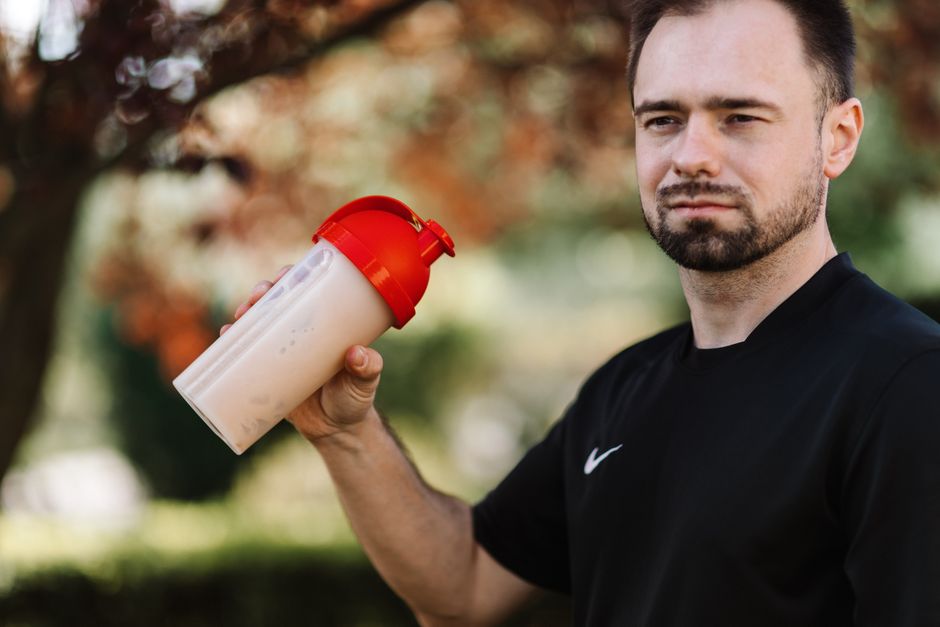
Protein powder is a concentrated protein source, and what you mix it with changes how it tastes, how it feels in your stomach, and how quickly your body absorbs it. Water and milk are the two most common choices. Water keeps calories low and mixes fast. Milk adds protein, carbohydrates, and fat, which slows digestion and makes the shake creamier. Plant milks, juice, coffee, yogurt, and even blended fruit or oats all work too, but each one shifts the nutrition and texture in ways worth understanding.
The short answer: any liquid you can drink is a possible mixer. The right one depends on your goals, your digestion, and what you want the shake to do for you.
What To Mix Protein Powder With Liquids Foods?
Water is the simplest option. It adds no calories, no sugar, and no fat. A scoop of protein powder in water gives you protein and little else. It mixes quickly, travels well, and works for anyone watching total calorie intake or trying to keep a shake light before or after a workout.
Milk is the most popular alternative. Dairy milk adds its own protein, plus lactose and fat. That combination makes the shake thicker and often more filling. The trade-off is more calories and a slower rate of stomach emptying.
Plant milks vary widely. Soy milk is the closest to dairy in protein content. Almond, oat, rice, and coconut milks usually contain far less protein unless they are fortified. Oat milk tends to be creamier and higher in carbohydrates than almond milk. Coconut milk drinks are often low in protein and can be high in saturated fat depending on the product.
Beyond milk and water, people mix protein powder with:
- Fruit juice, which adds sugar and flavor but no protein
- Coffee or cold brew, a common morning option
- Yogurt or kefir, which makes a thicker, spoonable mix
- Blended fruit, oats, or nut butter for a full meal-style shake
- Coconut water, which adds electrolytes and some sugar
The liquid you choose is not a small detail. It determines whether your shake is a light protein hit or a full meal replacement in calorie terms.
Does the Liquid Change How Fast Protein Is Absorbed?
Yes, and the main reason is how fast the liquid leaves your stomach. Water empties quickly. Milk, because of its fat and protein content, empties more slowly. That means a shake made with water tends to move through digestion faster than the same powder mixed with milk.
For most people, this difference matters less than it sounds. Total daily protein intake is the bigger driver of results than the exact speed of any single shake. The “anabolic window” idea — that you must consume protein within a narrow window right after training — has been softened by newer research. Studies indicate that total protein across the day matters more than precise timing for most recreational exercisers.
One nuance worth knowing: whey protein is absorbed relatively quickly, while casein is digested more slowly. If you mix either one with milk, you are adding more slow-digesting protein and fat, which further slows the whole drink. That can be useful if you want a shake to keep you full longer.
Which Liquid Is Best for Muscle Building?
For muscle building, the total protein you eat across the day does most of the work. The liquid is secondary. That said, milk has a practical edge for some people because it adds protein and calories, both of which support muscle growth when paired with resistance training.
Research on milk after exercise has shown it can support recovery and muscle protein synthesis, partly because it contains both fast and slow proteins along with carbohydrates. But this does not mean milk is required. A shake made with water still delivers protein. If your overall diet already has enough protein and calories, water works fine.
Where milk helps most is for people who struggle to eat enough. If you are trying to gain muscle and find it hard to hit your calorie needs, mixing with milk, adding oats, or blending in nut butter makes each shake more energy-dense. If you are trying to lose fat while keeping muscle, water or a low-calorie plant milk keeps the shake lean while you get protein from other meals.




What About Digestion and Lactose?
Dairy milk contains lactose, and many adults have some degree of lactose intolerance. For them, a milk-based shake can cause bloating, gas, or cramping. Lactose-free milk, soy milk, or almond milk are common swaps that avoid this problem.
Protein powder itself can also cause digestive issues, but the culprit is usually the powder, not the liquid. Whey concentrate contains some lactose. Whey isolate has most of it removed. If dairy bothers you, a plant-based or isolate powder mixed with a plant milk may sit better.
Some people find that a very thick shake — milk plus yogurt plus nut butter — feels heavy or slows them down before a workout. In that case, water or a thinner plant milk is easier on the stomach before training.
Can You Mix Protein Powder With Coffee, Juice, or Smoothies?
You can, and each option has trade-offs. Coffee is a popular base because it turns a morning shake into a combined caffeine and protein drink. The main caution is temperature. Very hot coffee can cause some protein powders to clump or curdle, especially whey. Let the coffee cool a bit first, or mix the powder with a little cold water before adding it.
Juice adds sugar and carbohydrates but no protein. It works if you want a post-workout shake with some quick carbs, but it raises the calorie and sugar content. For everyday use, many people prefer a lower-sugar liquid.
Smoothies are the most flexible option. Blending protein powder with fruit, yogurt, and a liquid gives you a full meal in a glass. The downside is that it is easy to add a lot of calories without noticing, especially with large amounts of fruit, honey, or nut butter.
One clarification that surprises people: mixing protein powder with a hot liquid does not “destroy” the protein in any meaningful way for typical home use. Heat can change texture and cause clumping, and extreme heat can affect some protein structure, but the amino acids are still there. The bigger issue is taste and consistency, not nutrition loss.
Does the Liquid Affect Taste and Texture?
It affects both, a lot. Water gives the thinnest, plainest result and lets the powder’s flavor come through most directly. Milk and oat milk make shakes creamier and can mask a chalky or bitter taste. Almond milk is thinner than dairy but still smoother than water.
Texture also depends on the powder type. Whey dissolves easily in most liquids. Casein is thicker and can turn almost pudding-like in milk. Plant proteins like pea or rice can be grittier, and a creamier liquid helps hide that.
If a shake tastes bad, the liquid is often the fix. Try a different milk, add a little more liquid to thin it out, or blend instead of shaking by hand.
How Much Liquid Should You Use?
There is no single correct amount, but most people find that roughly 8 to 12 ounces of liquid per standard scoop gives a drinkable consistency. Less liquid makes a thicker shake or pudding. More liquid makes it thinner and less intense in flavor.
The best guide is the label on your specific product, since scoop sizes and powder types vary. Start with the suggested amount, then adjust to your taste. If you are blending in fruit, oats, or yogurt, you will usually need extra liquid to keep it pourable.
What Should You Avoid Mixing With Protein Powder?
Most liquids are fine. The main things to watch are very hot liquids, which can clump or curdle some powders, and high-sugar drinks like soda or sweetened juice, which add calories without adding nutrition.
Alcohol is worth a mention. Mixing protein powder into alcoholic drinks is not dangerous in itself, but alcohol does not help recovery or muscle building, and it can dehydrate you. It is not a smart base if your goal is fitness or health.
Also check the powder’s label for anything it says not to mix with, and follow storage and use instructions. If you take medication, ask a pharmacist or doctor before making protein shakes a regular habit, since timing with some medications can matter.
Frequently Asked Questions
What is the best liquid to mix protein powder with?
Water is the simplest and lowest-calorie choice, while milk adds protein, carbs, and fat for a creamier, more filling shake. The best one depends on whether you want a light protein hit or a more substantial drink.
Can you mix protein powder with just water?
Yes, water works well and adds no calories. It gives a thinner shake and lets the powder’s flavor come through more directly.
Does mixing protein powder with milk make it less healthy?
No. Milk adds calories, protein, and fat, which is not a problem unless you are watching your total intake. For most people, milk is a fine and common choice.
Can you mix protein powder with hot coffee?
You can, but very hot coffee can make some powders clump or curdle, especially whey. Let it cool slightly or mix the powder with a little cold water first.
