
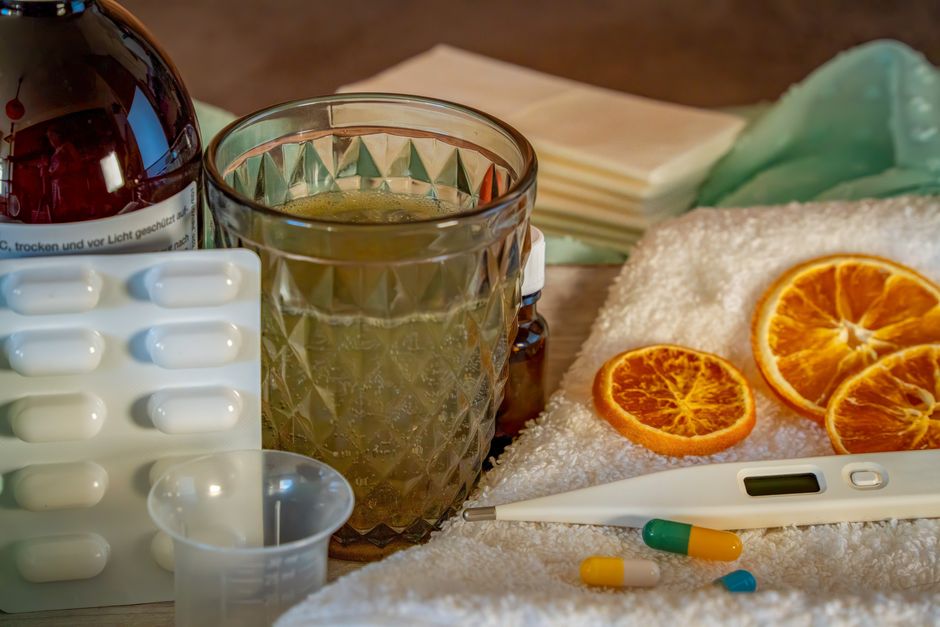
Throat pain usually means you have a viral infection, and the best thing you can do is rest, drink warm liquids, and use salt water gargles. Over-the-counter pain relievers like ibuprofen or acetaminophen help reduce inflammation and discomfort. Honey in warm tea or water can also calm irritation based on solid research. Most sore throats get better on their own within a week without antibiotics.
What causes throat pain in the first place?
The most common cause is a viral infection — the same viruses that give you the common cold or the flu. Your throat tissue becomes inflamed as your immune system fights off the invader. That inflammation is what makes swallowing hurt.
Bacterial infections like strep throat are less common but worth knowing about. The CDC reports that only about 20 to 30 percent of sore throats in children and 5 to 15 percent in adults are caused by group A Streptococcus bacteria. If your throat pain comes with a fever over 101°F, swollen lymph nodes, and white patches on your tonsils, that points more toward strep. A rapid strep test or throat culture is the only way to know for sure.
Other causes include dry air, allergies, smoking, and acid reflux. These irritate the throat lining without an infection. Post-nasal drip from allergies or sinus congestion can also cause throat pain because the mucus irritates the back of your throat overnight.
What actually works to relieve throat pain?
Research supports several simple remedies that genuinely help. A 2021 review in the Canadian Family Physician journal found that honey is as effective as some over-the-counter cough medicines for soothing throat irritation. One to two teaspoons of honey in warm water or tea can reduce pain and coughing. Do not give honey to children under one year old due to the risk of infant botulism.
Salt water gargles are another well-supported option. Dissolve half a teaspoon of salt in a cup of warm water and gargle for 30 seconds before spitting it out. The salt draws fluid out of the inflamed throat tissue, which reduces swelling temporarily. A 2010 study in the American Journal of Preventive Medicine found that people who gargled with salt water three times daily had fewer respiratory infections overall.
Warm liquids like broth, herbal tea, or just warm water with lemon increase blood flow to the throat area and help thin mucus. Cold liquids or ice chips can numb the throat and provide short-term relief. Some people prefer cold, some prefer warm — try both and see what works for you.
What about over-the-counter medications for throat pain?
Nonsteroidal anti-inflammatory drugs (NSAIDs) like ibuprofen (Advil, Motrin) reduce inflammation directly. That makes them a solid choice for throat pain because inflammation is the main driver of discomfort. Acetaminophen (Tylenol) also relieves pain but does not reduce inflammation. Both are effective for short-term use.
Throat sprays and lozenges containing benzocaine or phenol can numb the throat temporarily. These work by blocking nerve signals in the tissue. The numbing effect usually lasts 30 to 60 minutes. Some people find them helpful for severe pain, especially before eating or sleeping.
Here is a comparison of common over-the-counter options:
| Option | How It Works | Duration of Relief | Best For |
|---|---|---|---|
| Ibuprofen | Reduces inflammation | 4 to 6 hours | Moderate to severe pain with swelling |
| Acetaminophen | Blocks pain signals | 4 to 6 hours | Pain without inflammation |
| Benzocaine spray | Numbs throat tissue | 30 to 60 minutes | Immediate short-term relief |
| Honey | Coats and soothes | 1 to 2 hours | Mild irritation and cough |
Decongestants and antihistamines can help if your throat pain is caused by post-nasal drip. They dry up the mucus that irritates your throat. But they do not help if the pain is from a direct infection. Read labels carefully and avoid combining multiple products that contain the same active ingredient.





When should someone see a doctor for throat pain?
Most sore throats do not need a doctor visit. But there are clear signs that mean you should get checked. A fever above 101°F that lasts more than 24 hours is one. Difficulty breathing, trouble swallowing saliva, or a muffled voice are others. If you cannot open your mouth fully or have severe pain on one side only, that could indicate a peritonsillar abscess which needs medical treatment.
Strep throat requires antibiotics to prevent complications like rheumatic fever. The American Academy of Family Physicians advises seeing a doctor if you have a sore throat with a fever and swollen tender lymph nodes in your neck, especially if there is no cough or runny nose. These symptoms together make strep more likely.
If your throat pain lasts longer than a week without improvement, that is worth a medical evaluation. Chronic throat pain can be caused by reflux, allergies, or less common conditions. A doctor can run tests to figure out the cause.
What should you avoid when you have throat pain?
Avoid smoking and secondhand smoke. Smoke irritates the throat lining and slows healing. Alcohol also dehydrates you and can worsen inflammation. Spicy foods, acidic foods like citrus and tomatoes, and rough foods like chips or crackers can physically irritate an already sore throat.
Do not take antibiotics unless a doctor confirms a bacterial infection. Taking antibiotics for a viral sore throat does not help and contributes to antibiotic resistance. The CDC estimates that about 30 percent of antibiotic prescriptions for sore throats are unnecessary.
Here is a list of things to skip:
- Smoking or vaping
- Alcohol
- Very hot liquids that can burn the throat
- Spicy or acidic foods
- Crunchy or dry foods like toast or crackers
- Gargling with hydrogen peroxide or apple cider vinegar — these can damage tissue
Gargling with hydrogen peroxide is a common internet recommendation but there is no clinical evidence it helps sore throats. It can actually irritate and damage the mucous membranes. Stick with salt water.
What To For Throat Pain when home remedies are not enough?
If you have tried warm liquids, honey, salt water gargles, and over-the-counter pain relievers and still cannot eat or sleep, stronger options exist. Prescription-strength NSAIDs like naproxen or diclofenac can provide more relief than what you can buy over the counter. These require a doctor’s prescription.
Some doctors prescribe a medicated mouthwash called “magic mouthwash” that contains lidocaine, diphenhydramine, and an antacid. It numbs the throat and coats the tissue. This is usually reserved for severe pain from conditions like tonsillitis or after throat surgery.
Steroid medications like dexamethasone can reduce severe throat inflammation quickly. A single dose can provide significant relief for about 24 hours. This is not a first-line treatment. Doctors use it when pain is severe enough to prevent swallowing or when there is significant airway swelling.
Acupuncture and acupressure have some small studies suggesting they reduce throat pain. The evidence is weak and inconsistent. Some people report benefit, but strong clinical trials are lacking.
Common misconceptions about throat pain relief
One widespread myth is that gargling with apple cider vinegar kills bacteria in your throat. There is no evidence this works, and the acid can damage your tooth enamel and throat tissue. The same goes for gargling with hydrogen peroxide — it can cause chemical burns.
Another misconception is that you need antibiotics for every sore throat. As mentioned, most sore throats are viral. Taking antibiotics when you do not need them does not speed recovery and can cause side effects like diarrhea and yeast infections.
Some people believe that drinking orange juice helps because of vitamin C. While vitamin C supports immune function, orange juice is acidic and can actually sting an already sore throat. Warm water with lemon is a better choice because it is less acidic and the warmth soothes.
Chicken soup has real research behind it. A study published in Chest in 2000 found that chicken soup has mild anti-inflammatory effects. It is not a cure, but it can help reduce symptoms. The warmth and hydration are probably the main benefits.
Frequently Asked Questions
Can I use honey for throat pain if I have diabetes?
Yes, but use it sparingly because honey raises blood sugar. One teaspoon has about 5 grams of sugar.
How long does a viral sore throat usually last?
Most viral sore throats last 5 to 7 days. Symptoms usually peak around day 2 or 3.
Is it safe to gargle with salt water every day?
Yes, gargling with salt water once or twice daily is safe for most people. Do not swallow the salt water.
Does drinking cold water make throat pain worse?
No, cold water can actually numb the throat and reduce pain for some people. It depends on personal preference.
