
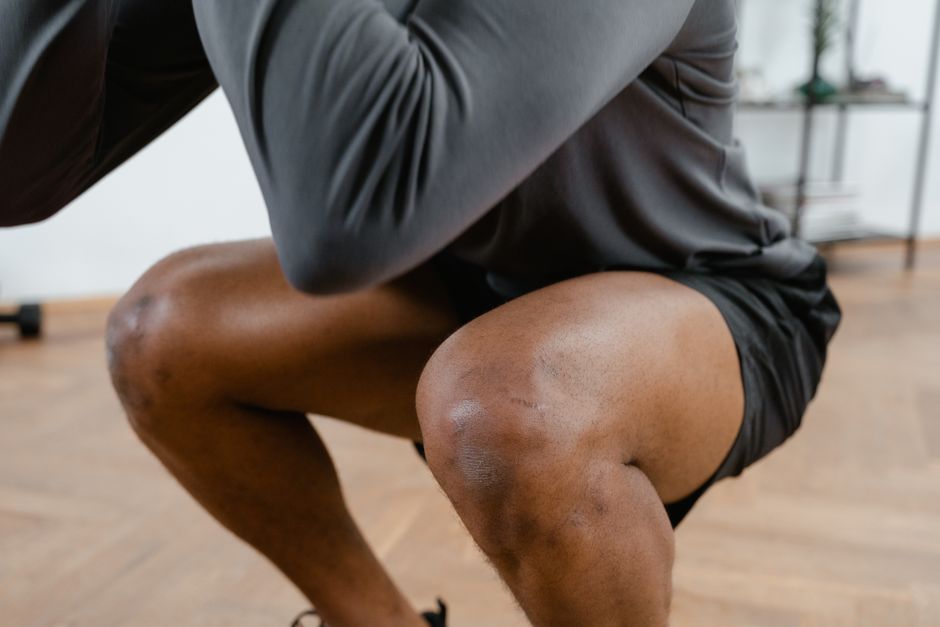
Choosing the right knee brace starts with understanding what type of knee pain you have. For osteoarthritis pain, an unloader brace that shifts weight off the damaged joint surface often works best. For ACL injuries or ligament instability, a hinged functional brace provides the most support. For runner’s knee or kneecap pain, a patellar strap or lightweight sleeve is usually enough. The correct brace matches your specific condition, not your general pain level.
What Are The Different Types Of Knee Braces?
Knee braces fall into several main categories. Each is designed for a different problem. Using the wrong type can waste money or even delay healing.
Prophylactic braces are worn to prevent injury during high-risk sports like football. They protect the knee from side impacts. Evidence on their effectiveness is mixed. Some studies suggest they reduce MCL injuries, but they are bulky and not meant for daily pain relief.
Functional braces support knees that have already been injured. They are common after ACL reconstruction or for chronic ligament laxity. They have metal or plastic hinges on the sides to control forward and rotational motion. Research indicates they improve stability but do not prevent the ligament from tearing again in high-impact sports.
Patellofemoral braces target pain behind or around the kneecap. They often include a strap or a pad that stabilizes the patella (kneecap). These are used for patellofemoral pain syndrome, also called runner’s knee. Some evidence shows they can help, but the benefit may be small compared to physical therapy.
Unloader braces are designed for osteoarthritis in one compartment of the knee. They use a hinge system to bend the knee slightly and shift weight away from the damaged cartilage. Clinical guidelines from the American Academy of Orthopaedic Surgeons suggest these can reduce pain and improve function for some people with medial compartment knee arthritis.
Sleeves or compression braces are the simplest type. They provide warmth, mild compression, and proprioceptive feedback (awareness of joint position). They do not prevent motion or stabilize a loose knee. They are best for mild pain, general soreness, or swelling from arthritis or tendinitis.
How Do I Know Which Knee Brace Is Right For My Condition?
Match the brace to the diagnosis, not the pain level. A compression sleeve will not help a knee that gives way. A heavy hinged brace is overkill for mild arthritis pain.
Osteoarthritis: If your arthritis is on the inner side of the knee, an unloader brace may help. It works by applying a bending force that opens the joint on the painful side. Some studies report pain reduction and better walking ability. A simple sleeve may also help with swelling and confidence during movement.
ACL or MCL injury: After a ligament tear or reconstruction, a functional brace with hinges supports the knee during healing and rehabilitation. Guidelines recommend these braces for the first year after surgery, especially during sports. Evidence that they prevent re-injury is limited, but they can improve stability and reduce fear of re-injury.
Patellofemoral pain: A patellar strap worn just below the kneecap can help by changing the pulling angle of the patellar tendon. Some research suggests this reduces pain during stair climbing and squatting. A sleeve with a buttress (pad) may also stabilize the kneecap.
Meniscus tear: Braces are not a standard treatment for meniscus tears unless the tear causes instability. A functional brace may be used temporarily before surgery, or a sleeve can help with comfort.
General knee pain without a clear diagnosis: A compression sleeve is the safest first choice. It does not change joint mechanics but may improve proprioception and reduce pain through warmth and support. If pain persists more than a few weeks, see a doctor for a proper evaluation.
How To Choose The Best Knee Brace For Knee Pain
Once you know your condition, focus on fit, comfort, and activity level. A brace that does not fit well will not help and can cause skin irritation or restrict circulation.
Measure carefully. Follow the manufacturer’s sizing guide. Most brands require measurements of the thigh circumference above the knee and the calf below the knee. Do not rely on height and weight alone. An ill-fitting brace can slip, rub, or fail to provide the intended support.
Consider your activity. For walking and daily life, a lightweight sleeve or unloader brace is fine. For running or sports that involve cutting (sudden direction changes), a hinged brace adds real stability. For sports with high risk of contact, a prophylactic brace may be worn but does not guarantee injury prevention.
Get a professional fitting if possible. Many orthopaedic clinics and medical supply stores offer fittings. A professional can adjust hinges and straps to your leg. This is especially important for unloader and functional braces, which require precise positioning.
Check for adjustability. Look for braces with adjustable straps, hinges, and tension settings. These allow you to fine-tune the fit as swelling changes or as your condition improves.
Do not rely solely on the brace. A brace is a tool, not a cure. Strengthening the muscles around your knee — quadriceps, hamstrings, calves — provides long-term support. Physical therapy is often more effective than bracing alone for conditions like patellofemoral pain and mild arthritis.




What Does The Evidence Say About Knee Braces?
The quality of evidence varies by brace type and condition. For osteoarthritis, a 2018 review in the Journal of Orthopaedic Surgery and Research concluded that unloader braces can reduce pain and improve function, but the benefits are modest and not consistent for everyone. Functional braces after ACL reconstruction: a 2015 review in the American Journal of Sports Medicine found insufficient evidence to recommend them for preventing re-injury, but they may help with stability and confidence during return to sport.
For patellofemoral pain, a 2015 Cochrane review found that patellar straps and sleeves have minimal effect beyond placebo. However, the review noted that people often report symptomatic improvement from using them, especially when combined with exercise.
Compression sleeves: research is limited. A few small studies suggest they can reduce pain and improve balance by enhancing proprioception. The effect is likely small.
No high-quality evidence supports using a brace to treat meniscus tears, tendinitis, or bursitis. These conditions usually respond better to rest, ice, anti-inflammatory medication, and physical therapy.
The biggest limitation across all studies is that braces are hard to blind (people know when they are wearing one), so placebo effects are strong. That is not to say the benefit is not real — it just means the subjective improvement may be partly from belief rather than biomechanics.
When Should You See A Doctor For Knee Pain?
A knee brace is a temporary or supportive measure. It is not a substitute for medical diagnosis. See a doctor if you have:
- Sudden knee pain after an injury with a popping sound or immediate swelling.
- Unable to bear weight on the leg.
- Visible deformity or the knee looks dislocated.
- Persistent pain that does not improve after a few days of rest and basic care.
- Knee that locks (catches and cannot fully extend) or gives way (buckles suddenly).
- Fever, heat, or redness around the knee, which could signal infection.
A healthcare provider can order X-rays or an MRI to confirm the diagnosis. They can also prescribe a specific brace if needed. Some braces, especially custom unloader or functional braces, require a prescription and a professional fitting to be effective.
Frequently Asked Questions
Can a knee brace make knee pain worse?
Yes, if the brace is too tight, cuts off circulation, or forces your leg into an unnatural position. An improper fit can also shift the brace and cause skin chafing or pressure points. Stop using it and consult a professional if pain increases.
How long should I wear a knee brace each day?
Wear it only during activities that cause pain or instability, not all day long. Continuous use can weaken the surrounding muscles and make your knee dependent on the brace. Follow your doctor’s specific advice for your condition.
Do I need a prescription for a knee brace?
No for basic sleeves or patellar straps, which are over-the-counter. Yes for custom unloader braces, many functional braces, and some hinged braces that need precise sizing and adjustments. Medicaid and Medicare usually require a prescription for coverage.
Is a knee brace better than physical therapy?
No, physical therapy is usually more effective for long-term improvement. Braces can help manage symptoms, but strengthening the muscles around the knee addresses the root cause of most knee pain. Use a brace as a temporary aid, not a replacement for exercise.
