
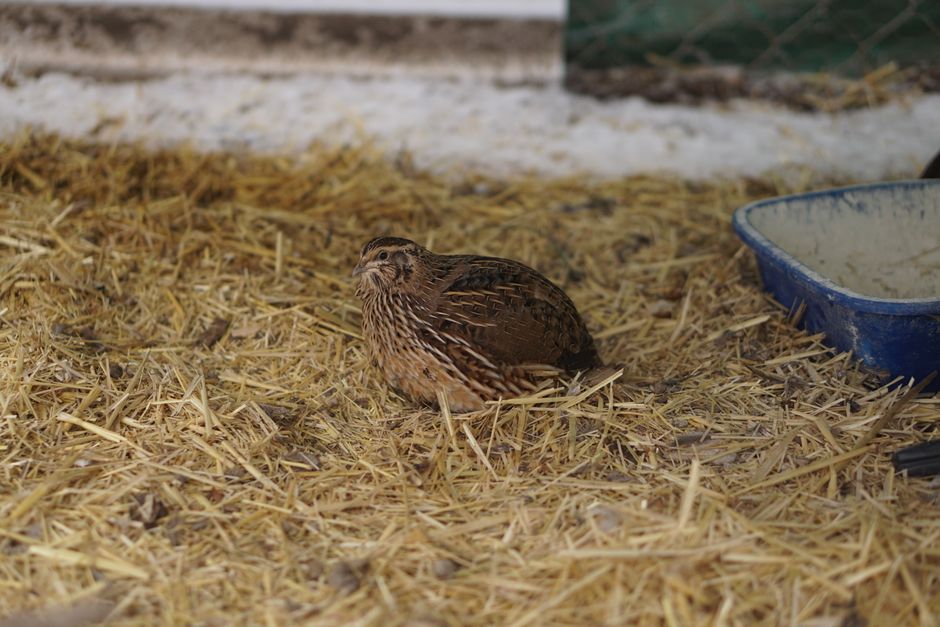
Coturnix quail need a diet high in protein and calcium to lay eggs and grow properly. Feed them a game bird feed with at least 20% protein as their main food. Add calcium sources like crushed oyster shell and protein treats like mealworms or scrambled eggs in moderation.
Why Protein Matters for Coturnix Quail
Coturnix quail are fast-growing birds. They reach maturity in about six to eight weeks. Laying hens start producing eggs around the same time. That rapid growth and egg production demand a lot of protein.
Protein builds muscle, feathers, and eggs. Without enough, birds grow slowly. Egg production drops. Feathers look rough. Young birds may develop leg problems.
Most commercial game bird feeds contain 20% to 24% protein. That is the foundation of a healthy diet. Chick starter feed often contains only 16% to 18% protein. That is too low for quail, especially for laying hens.
Check the feed bag label. Look for a feed specifically formulated for game birds or turkey starter. These have the protein levels quail need. If you can only find chicken feed, look for the highest protein option available.
Why Calcium Is Critical for Laying Hens
Eggshells are mostly calcium carbonate. A laying hen needs a steady supply to produce strong shells. Without enough calcium, she will lay thin-shelled or soft-shelled eggs. In severe cases, she may stop laying entirely.
Calcium deficiency can also cause a serious condition called egg binding. The hen struggles to pass an egg. This can be fatal without treatment.
Most game bird feeds contain about 1% to 1.5% calcium. That is enough for maintenance but not for heavy egg production. Laying hens need additional calcium.
Provide crushed oyster shell in a separate dish. This lets each hen take what she needs. Hens laying eggs will eat more. Non-laying birds will eat less. This self-regulation prevents accidental calcium overdose.
Do not mix calcium into the main feed. That forces all birds to eat the same amount. Separate dishes are safer and more effective.
Best Protein Treats for Coturnix Quail
Treats should supplement the main feed, not replace it. Think of them as extras, not staples. Offer them a few times per week in small amounts.
Mealworms are an excellent protein treat. Dried mealworms are convenient and easy to store. Live mealworms provide enrichment too, as the birds enjoy chasing them. Both work well.
Scrambled eggs are another great option. Cook them plain without oil, salt, or seasoning. Quail can eat cooked eggs, including the shell if crushed finely. This provides both protein and calcium in one treat.
Other protein-rich treats include:
- Black soldier fly larvae
- Cooked, unseasoned meat scraps
- Plain yogurt in small amounts
- Cottage cheese
- Crickets
Avoid processed human foods. No chips, crackers, or sugary snacks. These provide empty calories and can cause nutritional imbalances.

Calcium Treats Beyond Oyster Shell
Crushed oyster shell is the gold standard for calcium supplementation. It is widely available at farm supply stores. It is inexpensive and effective.
Baked eggshells are a good homemade alternative. Rinse the shells, bake them at 250°F for about 10 minutes to dry and sterilize them, then crush them into small pieces. This kills bacteria while keeping the calcium intact.
Some keepers offer cuttlebone. This is the same calcium source given to pet birds. It can be scraped or broken into pieces for quail. It works but is often more expensive than oyster shell.
Avoid limestone or dolomite powders unless labeled for animal feed. Some contain heavy metals or incorrect calcium-to-phosphorus ratios. Stick with products made specifically for poultry.
What Not to Feed Coturnix Quail
Some foods are dangerous for quail. Avocado contains persin, which is toxic to birds. Onions and garlic can cause digestive upset. Chocolate and caffeine are toxic to many birds.
Raw beans contain lectins that are harmful. Dried beans must be fully cooked before feeding. Even then, offer them sparingly.
Salty foods are problematic. Quail have small bodies and cannot handle much sodium. Avoid salted nuts, pretzels, or processed meats.
Moldy or spoiled food is always dangerous. It can cause fungal infections or toxin exposure. Check treats before offering them and remove uneaten treats within a few hours.
Apple seeds and cherry pits contain cyanide compounds. Remove seeds and pits before offering fruit. Small amounts are unlikely to cause harm, but it is better to be safe.
How Much Treats Should You Give?
Treats should make up no more than 10% of the total diet. That is a general guideline, not a strict rule. The main feed should always be the primary food source.
A good rule of thumb: offer a small handful of treats per six birds, two to three times per week. Watch how much they eat. If they ignore their main feed, cut back on treats.
Laying hens need consistent nutrition. Sudden changes can disrupt egg production. Introduce new treats gradually. Watch for any signs of digestive upset.
Fresh water must always be available. Quail drink more when eating dry feed and treats. Check waterers daily, especially in hot weather.
Special Considerations for Chicks and Non-Laying Birds
Baby quail need even more protein than adults. Feed them a starter ration with 24% to 28% protein for the first six weeks. This supports their rapid growth phase.
Do not give calcium supplements to chicks. Their growing bodies need a specific calcium-to-phosphorus balance. Extra calcium can cause kidney problems and skeletal issues. The starter feed already contains what they need.
Non-laying adult birds, like males or retired hens, need less calcium. If they eat oyster shell freely, they may develop kidney issues. This is why a separate calcium dish works well. Birds that do not need it will usually leave it alone.
If you keep a mixed flock of layers and non-layers, monitor the non-layers. Some birds overeat calcium even when they do not need it. If this happens, offer calcium only a few hours each day.
Signs of Nutritional Problems
Watch for symptoms that indicate a diet problem. Thin-shelled eggs are the first sign of calcium deficiency. Soft-shelled eggs follow if the problem continues.
Poor feathering, lethargy, and reduced egg production can indicate protein deficiency. Birds may also lose weight or show dull eyes. These signs warrant a diet review.
Lameness or difficulty walking can be a sign of calcium imbalance. This is more common in young birds on incorrect diets. It can also indicate a vitamin deficiency.
If you notice any of these signs, review your feeding program. Check the protein level of your main feed. Confirm calcium is available to laying hens. Make adjustments gradually.
What To Feed Coturnix Quail Protein Calcium Treats
The foundation of a healthy quail diet is a quality game bird feed. Choose one with at least 20% protein for adults and 24% for chicks. Provide crushed oyster shell separately for laying hens.
Protein treats like mealworms, black soldier fly larvae, and scrambled eggs add variety and extra nutrition. Offer them sparingly. Calcium treats like baked eggshells work well as oyster shell alternatives.
Always keep fresh water available. Monitor your birds for signs of deficiency. Adjust the diet as needed based on what you observe.
Quail are hardy birds. With the right feed and sensible treats, they thrive. The key is balance. Too much of any single nutrient causes problems. A varied, moderate approach works best.
Frequently Asked Questions
Can Coturnix quail eat layer feed made for chickens?
Layer feed is acceptable if it has at least 20% protein, but most chicken layer feeds contain only 16% to 18%. Game bird feed is the better choice for quail.
How often should I give protein treats to my quail?
Offer protein treats two to three times per week in small amounts. Treats should make up no more than 10% of the total diet.
Do male Coturnix quail need calcium supplements?
No. Males and non-laying females do not need extra calcium. The main feed provides enough for their needs.
Can I feed my quail kitchen scraps as treats?
Some kitchen scraps are safe, like cooked vegetables and plain scrambled eggs. Avoid avocado, onions, chocolate, salty foods, and anything moldy.
