
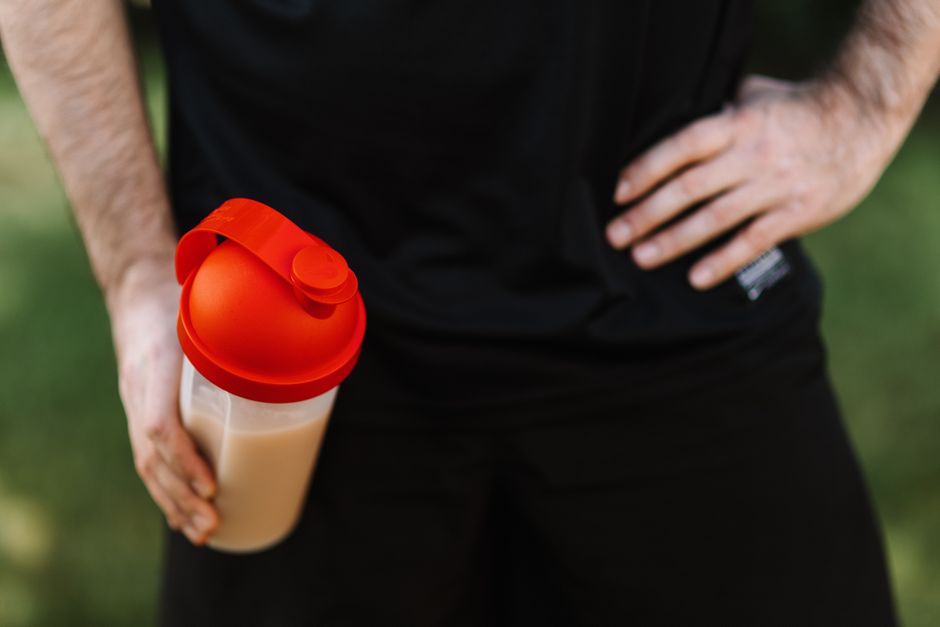
Protein is one of the most important nutrients your body uses every day. It builds and repairs tissues, makes enzymes and hormones, and supports your immune system. Without enough protein, your body cannot function properly.
What Is Protein Good For How It Helps Your Body?
Protein does dozens of essential jobs in your body. It is the main building block for your muscles, skin, bones, and blood. Your body uses protein to make enzymes that digest food and hormones that control growth and metabolism. Protein also helps your immune system produce antibodies that fight infections. Every cell contains protein, and your body constantly breaks down and rebuilds protein to stay healthy.
When you eat protein, your digestive system breaks it into amino acids. Your body then uses these amino acids to build the specific proteins it needs. There are 20 different amino acids. Your body can make some of them, but nine are essential, meaning you must get them from food.
What Happens When You Do Not Eat Enough Protein?
Protein deficiency can cause serious health problems. Without enough protein, your body starts breaking down muscle tissue for the amino acids it needs. This leads to muscle loss, weakness, and fatigue. Your immune system also weakens, making you more likely to get sick. Skin, hair, and nails may become brittle and slow to grow.
In severe cases, protein deficiency causes a condition called kwashiorkor. This is rare in countries with plenty of food, but it can happen with extreme diets or certain illnesses. Symptoms include swelling in the belly and legs, a fatty liver, and stunted growth in children.
Even mild protein deficiency can slow recovery from injuries and illness. Many older adults do not eat enough protein, which contributes to age‑related muscle loss called sarcopenia. Getting enough protein helps preserve muscle strength and mobility as you age.
How Much Protein Do You Need Every Day?
The amount of protein you need depends on your age, weight, and activity level. The recommended daily allowance for a sedentary adult is 0.8 grams of protein per kilogram of body weight. For a person weighing 70 kilograms (about 154 pounds), that is 56 grams of protein per day. That is roughly the amount in a chicken breast and a cup of yogurt.
People who are active need more. Athletes and people who do regular strength training may need 1.2 to 2.0 grams per kilogram of body weight. Pregnant and breastfeeding women also have higher protein needs. Older adults may benefit from 1.2 grams per kilogram to help prevent muscle loss.
Most Americans eat more than enough protein. But some groups, like vegans, vegetarians, and older adults with poor appetite, may need to pay attention to their intake. You can meet your protein needs with food alone. Supplements are rarely necessary if you eat a balanced diet.




What Are the Best Sources of Protein?
Protein comes from both animal and plant foods. Animal sources like meat, poultry, fish, eggs, and dairy contain all nine essential amino acids. These are called complete proteins. Plant sources like beans, lentils, nuts, seeds, and whole grains are often incomplete, meaning they lack one or more essential amino acids. However, eating a variety of plant proteins throughout the day provides all the amino acids your body needs.
Some plant foods, such as soy, quinoa, and hemp seeds, are complete proteins on their own. For most people, a mix of animal and plant proteins works well. If you follow a vegan diet, include foods like tofu, tempeh, lentils, chickpeas, and whole grains to get enough protein and amino acids.
Here is a quick comparison of common protein sources and their approximate protein content per serving:
| Food | Serving Size | Protein (grams) |
|---|---|---|
| Chicken breast | 3 ounces (85 g) | 26 |
| Greek yogurt | 6 ounces (170 g) | 15-18 |
| Eggs | 2 large | 12 |
| Lentils (cooked) | 1 cup (200 g) | 18 |
| Tofu | 4 ounces (113 g) | 10-12 |
| Almonds | 1/4 cup (30 g) | 7 |
These values are approximate and vary by brand and preparation. The USDA provides detailed nutrition data for all foods.
Can You Eat Too Much Protein?
Yes, it is possible to eat too much protein. Extremely high protein intakes – more than 2.5 grams per kilogram of body weight daily – may strain the kidneys over time, especially in people with existing kidney disease. For healthy people, moderate increases are generally safe. There is no clear evidence that high protein diets damage healthy kidneys.
High protein diets can also cause dehydration because the kidneys need extra water to excrete nitrogen waste from protein breakdown. If you increase your protein intake, drink more water. Some people experience digestive discomfort like bloating or constipation when they eat large amounts of protein, especially from supplements or processed foods.
Focus on getting protein from whole foods rather than powders or bars. Whole foods provide fiber, vitamins, and minerals that processed protein sources often lack. The key is balance – get enough protein without radically cutting carbohydrates or fats.
Does Timing of Protein Intake Matter?
For most people, total daily protein matters more than the timing. Spreading protein evenly across meals may help your body use it better. Your muscles can only use a limited amount of protein at one time – roughly 20 to 40 grams per meal for many people. Eating protein at breakfast, lunch, and dinner can support muscle maintenance better than eating most of it at dinner.
Athletes and older adults may benefit from timing protein around exercise. Eating 20 to 30 grams of protein within two hours after a workout can help repair and build muscle. But this is a small advantage compared to simply getting enough protein overall. Do not stress over exact timing if you are generally healthy and eating enough.
Is Plant Protein as Good as Animal Protein?
Yes, plant protein can be just as good for most people. The key is variety. A mix of beans, grains, nuts, and vegetables provides all essential amino acids. Research shows that plant‑based diets can support muscle growth and overall health as well as animal‑based diets, as long as protein intake is adequate.
Some studies suggest that animal protein is more easily digested than plant protein. But the difference is small and does not matter for healthy people eating enough food. Both types have health benefits. Plant proteins also come with fiber and phytonutrients that animal foods lack. Choosing a mix of sources is a smart approach.
Can Protein Help with Weight Loss?
Protein can help with weight loss in several ways. It increases feelings of fullness, or satiety, more than carbohydrates or fat do. People who eat a higher protein meal tend to eat less later in the day. Protein also has a higher thermic effect, meaning your body burns more calories digesting it compared to other nutrients.
Several studies confirm that higher protein diets (25 to 30 percent of total calories) can help people lose weight and maintain muscle during calorie restriction. However, protein alone is not a magic bullet. Weight loss still requires eating fewer calories than you burn. Protein helps, but it works best as part of a balanced reduction in overall calories.
Frequently Asked Questions
How much protein do I need per day?
The general recommendation is 0.8 grams per kilogram of body weight for sedentary adults. Active people, older adults, and pregnant women need more, typically 1.2 to 2.0 grams per kilogram.
Is it safe to eat protein powder every day?
Yes, for most healthy adults, daily protein powder is safe when used as a supplement, not a replacement for whole foods. Focus on getting most protein from meals first.
Can protein help build muscle without exercise?
No, eating extra protein without resistance exercise will not build significant muscle. The body needs the stimulus of strength training to trigger muscle growth.
What happens if I don’t eat enough protein?
You may lose muscle, feel weak, have slower recovery from illness or injury, and experience brittle hair and nails. Long‑term deficiency can weaken your immune system.
