

Yes, protein is a nutrient. More specifically, it is an essential macronutrient your body cannot function without. Proteins provide the amino acids your body uses to build and repair tissues, make enzymes and hormones, and support immune function. Every cell in your body contains protein — it is a fundamental building block of life.
What Is Protein and Why Does Your Body Need It?
Protein is made from chains of amino acids. There are 20 different amino acids that combine to form proteins. Nine of these are called essential amino acids because your body cannot make them — you must get them from food. The other 11 are non-essential because your body can produce them from other amino acids.
Your body uses protein for many critical functions. It repairs damaged tissues and builds new ones, including muscle, skin, hair, and nails. Protein is also needed to create enzymes that drive chemical reactions in your body, such as digestion and energy production. Hormones like insulin and growth hormone are proteins. Your immune system relies on antibodies, which are proteins, to fight infections. Even the hemoglobin that carries oxygen in your blood is a protein.
Protein also helps maintain fluid balance and transports nutrients in your bloodstream. In short, protein is not just for gym-goers. It is essential for every person, every day.
How Much Protein Do You Actually Need?
The recommended daily amount of protein is based on your body weight. For a typical sedentary adult, the official Recommended Dietary Allowance (RDA) is 0.8 grams of protein per kilogram of body weight per day. That means a person weighing 68 kilograms (150 pounds) would need about 55 grams of protein daily.
This amount is enough to prevent deficiency in most people. However, many experts suggest that slightly higher intakes may benefit older adults, people recovering from illness or injury, and those who exercise regularly. Some research suggests that athletes and active individuals may need between 1.2 and 2.0 grams per kilogram, depending on the intensity and type of training. The evidence for these higher amounts is not uniform across all studies, so it is best to discuss your individual needs with a healthcare provider.
Pregnant and breastfeeding women also have higher protein needs. The RDA during pregnancy increases to about 1.1 grams per kilogram. During breastfeeding, it is about 1.3 grams per kilogram.
What Happens If You Don’t Get Enough Protein?
Protein deficiency is rare in developed countries, but it can occur with very restricted diets, eating disorders, or certain medical conditions. When your body does not get enough protein, it begins to break down its own muscle tissue to obtain amino acids. This can lead to muscle wasting, weakness, and fatigue.
Other signs of low protein intake include thinning hair, brittle nails, dry skin, and a weakened immune system making you more prone to infections. In children, protein deficiency can slow growth and development. The most severe form of protein deficiency is called kwashiorkor, which causes swelling in the belly and feet due to fluid retention. This condition is almost never seen in the United States outside of extreme malnutrition.
Even mild protein deficiency over a long period may contribute to loss of muscle mass with age, a condition called sarcopenia. Getting enough protein, along with strength training, can help slow this decline.



Can You Eat Too Much Protein?
It is possible to consume more protein than your body needs. When you eat excess protein, the extra amino acids are broken down into nitrogen and carbon skeletons. The nitrogen is turned into urea and excreted in urine. The carbon skeletons are converted into glucose or fat for energy or storage. So extra protein can contribute to weight gain over time if it adds extra calories.
For people with healthy kidneys, high protein intakes (up to 2-3 grams per kilogram) do not appear to cause harm in the short term. However, long-term very high protein intake may increase the risk of kidney stones in susceptible people and could worsen existing kidney disease. The evidence is not strong enough to say that high protein diets damage healthy kidneys, but caution is advised for anyone with kidney problems.
Some studies have also raised concerns about high animal protein intake and an increased risk of certain cancers or heart disease, but the data is mixed. It may depend more on the source of protein than the amount. Eating red and processed meats in high amounts is linked to higher risks of heart disease and colon cancer, while plant-based proteins appear neutral or beneficial.
Is Protein A Nutrient What It Does In Your Body?
Yes, protein is a nutrient, and what it does in your body is provide the amino acids that serve as the building blocks for nearly every structure and function. Without protein, your body cannot repair itself, produce enzymes or hormones, maintain muscle mass, or sustain a healthy immune system. Unlike carbohydrates and fats, your body does not store amino acids long-term, so you need a daily supply from food.
Protein also plays a role in satiety — it helps you feel full after eating. This is one reason higher protein meals can help with appetite control. However, the degree of effect varies from person to person and depends on the overall meal composition.
It is important to understand that protein is not a single substance. There are many different proteins, and their effects depend on the specific amino acids they contain and how they are digested. Getting a variety of protein sources ensures you obtain all essential amino acids.
What Are the Best Sources of Protein?
Protein is found in both animal and plant foods. Animal sources — meat, poultry, fish, eggs, and dairy — provide all nine essential amino acids in the right amounts. These are called complete proteins. Plant sources — beans, lentils, nuts, seeds, whole grains, and soy — also contain protein, but most are incomplete because they are low in one or more essential amino acids. The exception is soy and quinoa, which are complete plant proteins.
If you eat a varied plant-based diet, you can get all essential amino acids by combining different plant foods throughout the day — for example, beans with rice or peanut butter on whole wheat bread. You do not need to eat them at the same meal; your body pools amino acids from foods eaten over a day.
Here is a quick reference for protein content in common foods:
- Chicken breast (3 oz cooked): about 26 grams
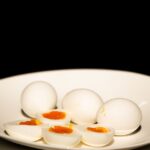
- Egg (1 large): about 6 grams
- Greek yogurt (1 cup plain): about 20 grams
- Lentils (1 cup cooked): about 18 grams
- Tofu (1/2 cup): about 10 grams
- Peanut butter (2 tbsp): about 8 grams
Does Protein Timing or Distribution Matter?
For most people, total daily protein intake is more important than the timing. However, some research suggests that spreading protein evenly across meals — about 25-30 grams per meal — may optimize muscle protein synthesis. This could be especially relevant for older adults aiming to maintain muscle mass. The evidence is not conclusive enough to make a universal recommendation, but it is a reasonable strategy if you want to maximize the benefits of your protein intake.
The idea that you must eat protein immediately after a workout to build muscle is overstated. While consuming protein within a few hours after exercise may help, the overall daily intake matters more. Your body is constantly turning over proteins, and timing alone will not make or break your results.
Frequently Asked Questions
Is protein a nutrient?
Yes, protein is an essential macronutrient. Your body needs it to build and repair tissues, produce enzymes and hormones, and support immune function.
How much protein do I need per day?
The RDA is 0.8 grams per kilogram of body weight for sedentary adults. Active people and older adults may need more, but individual needs vary.
Can protein help with weight loss?
Protein can increase feelings of fullness, which may help with appetite control. However, weight loss depends on overall calorie balance, not protein alone.
Is it better to get protein from animals or plants?
Both can meet your needs. Animal proteins are complete but may come with saturated fat. Plant proteins offer fiber and other nutrients but require variety to get all essential amino acids.
