
A vegan diet can meet nearly every nutrient need at every stage of life, but it does not happen by accident. You have to plan meals around protein, iron, calcium, vitamin B12, omega-3 fats, and a few other nutrients that plant foods either lack or provide in hard-to-absorb forms. The payoff for that planning is a way of eating that can be nutritionally complete, varied, and satisfying.
The short answer: build meals from legumes, whole grains, vegetables, fruits, nuts, and seeds. Add fortified foods or supplements for vitamin B12, and pay attention to iron, calcium, zinc, iodine, and omega-3s. Snacks follow the same rules — pair a protein with a fiber-rich carb and you are most of the way there.
What To Feed A Vegan Meals Snacks And Nutrition?
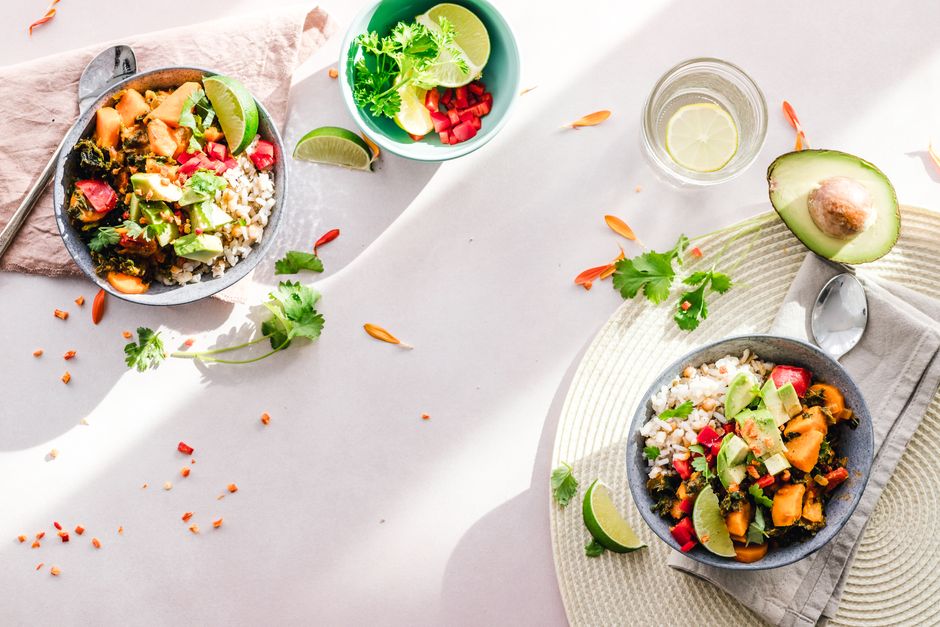
Every vegan meal works best when it hits three notes: a protein source, a complex carbohydrate, and produce. That pattern covers most of your nutrient bases without tracking every gram.
Protein is the nutrient people ask about first. Plant proteins exist in every whole food category — beans, lentils, tofu, tempeh, edamame, seitan, quinoa, oats, nuts, and seeds. The old worry about “combining” proteins at every meal has largely been set aside. Your body maintains a pool of amino acids, so eating a variety of plant proteins across the day covers your needs. Soy, quinoa, and buckwheat are complete proteins on their own. Most other plant proteins are low in one or two amino acids, but the foods that fill those gaps are usually eaten alongside them anyway — beans with rice, hummus with pita, peanut butter on whole wheat.
Carbohydrates do the heavy lifting for energy. Whole grains, starchy vegetables, and legumes give you fiber, B vitamins, and minerals along with the calories. Refined grains and sugary foods can fit occasionally, but they crowd out the nutrient-dense options you actually need on a plant-based diet.
Produce supplies vitamin C, which matters more than most people realize. Vitamin C boosts absorption of plant iron, which is harder for your body to absorb than the iron in meat. Squeeze lemon on lentils. Add bell pepper to a bean bowl. That single habit does more for your iron status than most supplements.
A day of meals might look like this:
- Breakfast: Oatmeal with soy milk, ground flaxseed, peanut butter, and berries
- Lunch: Lentil soup with whole grain bread and a side of raw bell pepper
- Dinner: Stir-fried tofu with broccoli, edamame, and brown rice
- Snacks: Hummus with carrots, a handful of almonds, or a smoothie with fortified plant milk and hemp seeds
Notice what is missing: no single “superfood,” no special ordering, no complicated timing. The pattern repeats because it works.
Which Nutrients Need Extra Attention On A Vegan Diet?
Six nutrients deserve deliberate attention. Vitamin B12 is the only one you cannot reliably get from unfortified plant foods at all. The others are present in plant foods but need planning or, in some cases, fortification.
Vitamin B12 is made by bacteria, not plants or animals. Animals get it from soil, water, or supplements; humans historically got it the same way. Modern food systems have removed that route. Fortified plant milks, fortified cereals, nutritional yeast, and supplements are the reliable sources. Deficiency develops slowly and can cause nerve damage that becomes permanent if it goes untreated long enough. This is the one nutrient where “I’ll get it from food” does not work without fortification.
Iron comes in two forms. Heme iron, from animal tissue, absorbs easily. Non-heme iron, from plants, absorbs at a much lower rate. That difference is real, but it does not make plant iron useless. Eating iron-rich foods — lentils, chickpeas, tofu, spinach, fortified cereals — with a vitamin C source at the same meal improves absorption. Coffee and tea block it, so drink them between meals rather than with them.
Calcium is abundant in fortified plant milks, calcium-set tofu, tahini, almonds, and leafy greens like kale and bok choy. Spinach and Swiss chard contain calcium but also oxalates, which bind it and reduce absorption. They are still healthy foods — they just are not reliable calcium sources.
Zinc is present in legumes, nuts, seeds, and whole grains. Phytates in these foods reduce absorption, so vegans may need somewhat more zinc than the standard recommendation. Soaking, sprouting, and fermenting grains and legumes lowers phytate content.
Iodine is the nutrient most often overlooked. It comes mainly from seafood, dairy, and iodized salt. Vegans who do not use iodized salt may fall short. Seaweed is unpredictable — some varieties contain extreme amounts of iodine, enough to disrupt thyroid function. Iodized salt is the more reliable choice.
Omega-3 fats are another gap. Plant sources like flaxseed, chia, and walnuts provide ALA, which your body converts to EPA and DHA at a low rate. Algae-based supplements provide EPA and DHA directly, which is why many clinicians suggest them for people who do not eat fish.
How Do You Build a Vegan Snack That Actually Satisfies?
A snack that keeps you full has protein and fiber. A snack that does not is usually just sugar and refined starch. The difference shows up about an hour later.
Good combinations:
- Hummus with raw vegetables or whole grain crackers
- Apple slices with peanut or almond butter
- Roasted chickpeas with paprika
- Soy yogurt with berries and hemp seeds
- Trail mix with nuts, seeds, and dried fruit
- Edamame, steamed and salted
- A smoothie with fortified soy milk, banana, and chia
These work because the protein and fat slow digestion and the fiber adds bulk. That combination signals fullness in a way a handful of pretzels never will.
Snacks also fill nutrient gaps. A snack built around fortified plant milk, nuts, or seeds quietly adds calcium, B12, or omega-3s you might otherwise miss at meals. Think of snacking as a second chance at the nutrients that are hardest to get.


What About Protein Powder, Meat Substitutes, and Fortified Foods?
These products are convenient, not necessary. They also vary enormously in quality, so reading labels matters more than brand loyalty.
Meat substitutes — plant-based burgers, sausages, nuggets — are often made from soy, pea, or wheat protein. Many are fortified with B12, iron, and zinc, which makes them genuinely useful for vegans. Others are mostly refined starch, oil, and sodium. The nutrition facts panel tells you which is which.
Protein powders are simply concentrated protein. If you are meeting your needs from whole foods, you do not need them. If you are training hard, have a low appetite, or find it hard to hit your protein target, they can help. Soy and pea protein are both well studied and provide a complete amino acid profile when blended or when soy is used alone.
Fortified plant milks are one of the most useful products in a vegan diet. They are the easiest regular source of B12 and calcium. Check the label — not all are fortified, and the amounts vary widely. Shake the carton before pouring, since calcium can settle.
Do Vegans Need Supplements?
Vitamin B12 is the one supplement nearly every vegan needs. There is no reliable unfortified plant source, and deficiency is common in people who do not supplement or eat fortified foods consistently.
Other supplements depend on your diet and your labs. Vitamin D is worth checking for anyone with limited sun exposure, vegan or not. Omega-3 (algae-based EPA and DHA) is often suggested because conversion from ALA is inefficient. Iodine may be needed if you do not use iodized salt. Iron and zinc supplements should be guided by a blood test rather than taken routinely, since too much iron is harmful.
No clinical guidelines currently exist for vegan-specific supplement doses that apply to everyone. Needs vary by age, sex, pregnancy status, and health conditions. A registered dietitian familiar with plant-based diets can help you sort out what applies to you.
Is a Vegan Diet Safe for Every Stage of Life?
Major nutrition and dietetics bodies have stated that well-planned vegan diets are appropriate for all stages of life, including pregnancy, infancy, childhood, and adolescence. The phrase “well-planned” is doing real work in that sentence.
Pregnancy and breastfeeding raise the stakes. B12, iron, iodine, choline, and DHA all matter more, and deficiencies can affect the baby. This is a situation where working with a dietitian is not optional advice — it is the responsible step.
For children, growth needs calories and nutrient density. Plant foods are bulky and filling, so young children may fill up before they meet their energy needs. Nut butters, avocado, olive oil, and fortified foods help pack calories into smaller portions. Regular growth monitoring catches problems early.
For older adults, protein needs go up, not down. Muscle mass declines with age, and plant proteins support maintenance just as well when eaten in adequate amounts across the day.
The honest summary: a vegan diet is nutritionally sound when it is planned around the nutrients listed above. It is not automatically healthy just because it is plant-based. French fries and soda are vegan. So is a bowl of lentils, kale, and tofu. The diet is only as good as what you actually put on the plate.
Frequently Asked Questions
What is the most important nutrient for vegans?
Vitamin B12 is the one nutrient that cannot be reliably obtained from unfortified plant foods, so it requires fortified foods or a supplement. Deficiency can cause nerve damage that may become permanent if untreated.
Can you get enough protein without eating meat?
Yes, plant foods like legumes, soy, whole grains, nuts, and seeds provide all the amino acids your body needs when eaten in variety across the day. You do not need to combine specific proteins at every meal.
What are good vegan snacks for energy?
Snacks that pair protein with fiber work best — hummus with vegetables, apple with nut butter, or roasted chickpeas. These combinations digest slowly and keep hunger down longer than refined carbs alone.
Do vegans need to take supplements?
Vitamin B12 is needed by nearly all vegans because no reliable unfortified plant source exists. Other supplements depend on your individual diet and lab results, so a blood test is a better guide than guessing.
