
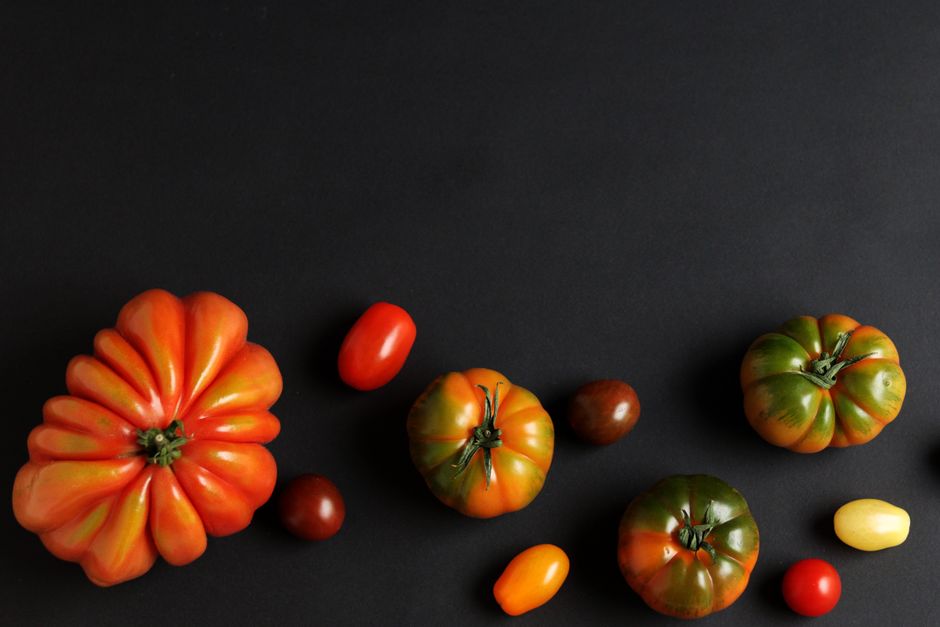
Black tomatoes are real tomato varieties with dark purple, brown, or nearly black skin. They taste sweeter and richer than most red tomatoes, with a deep, slightly smoky flavor. That darker color comes from pigments called anthocyanins, the same compounds found in blueberries and blackberries, and they add antioxidants you will not find in a standard red tomato.
What Is A Black Tomato Varieties Taste And Nutrition?
A black tomato is not a single variety. It is a group of tomato cultivars bred or selected for high levels of anthocyanin pigment, which turns the skin dark. Common types include Black Krim, Cherokee Purple, Black Beauty, Indigo Rose, and Black Cherry.
The flavor is where these tomatoes stand apart. Most people describe them as sweeter and less acidic than red varieties, with a deeper, almost savory note. Cherokee Purple, for example, is often described as having a smoky, slightly salty quality. Black Krim leans sweet with a mild tang. The flavor varies by variety, growing conditions, and ripeness, so two black tomatoes can taste quite different.
Nutritionally, black tomatoes offer what all tomatoes offer: vitamin C, potassium, vitamin K, and lycopene. The difference is the anthocyanins. These pigments give the fruit its dark color and act as antioxidants in the body.
Why Are Black Tomatoes Dark?
The dark color comes from anthocyanins, a class of water-soluble pigments that also give blueberries, blackberries, and red cabbage their color. In most tomato varieties, anthocyanins are not produced in the fruit. Black tomatoes carry genetic traits that allow the fruit to make these pigments, mainly in the skin.
This is why the darkness is usually concentrated on the outside. Cut a black tomato open and the flesh is often red, pink, or greenish, depending on the variety and ripeness. The anthocyanins sit largely in the skin, not throughout the fruit.
One detail worth knowing: not all “black” tomatoes are equally dark. Some are deep purple, some are brownish, and some are almost true black. The color depends on the specific variety and how much anthocyanin it produces. The darkest varieties tend to be newer breeding lines, while older heirloom types like Black Krim and Cherokee Purple are more of a dusky purple-brown.
What Do Black Tomatoes Taste Like?
Black tomatoes generally taste sweeter and fuller than standard red tomatoes. The acidity is often lower, which makes the sweetness more noticeable. Many people also pick up a smoky or earthy note that red tomatoes do not have.
Flavor depends heavily on the specific variety:
- Cherokee Purple: Sweet with a smoky, slightly salty depth. Often described as rich and complex.
- Black Krim: Sweet and mild with a gentle tang. Juicy and soft when ripe.
- Indigo Rose: Firmer, with a milder flavor. The anthocyanin content is high, but the taste is less sweet than heirloom blacks.
- Black Cherry: Small, sweet, and balanced. Good for snacking.
Ripeness matters more with black tomatoes than with red ones. A red tomato turns from green to red and you know it is ready. A black tomato can look dark before it is fully ripe. The best way to judge is by feel. A ripe black tomato gives slightly under gentle pressure and smells sweet at the stem.





Are Black Tomatoes More Nutritious Than Red Tomatoes?
Black tomatoes contain anthocyanins that red tomatoes do not, and anthocyanins are antioxidants. That part is well established. What is less clear is whether eating black tomatoes instead of red ones produces a measurable health benefit in people.
Here is the honest position. Anthocyanins have been studied for their antioxidant and anti-inflammatory effects in laboratory and animal research. Some human studies suggest diets rich in anthocyanin-containing foods are associated with certain health benefits. But there is no clinical evidence that black tomatoes specifically improve health outcomes compared with red tomatoes. The difference is a difference in pigment content, not a proven difference in health effect.
Both black and red tomatoes provide:
- Vitamin C, which supports immune function and skin health
- Potassium, which helps regulate blood pressure
- Vitamin K, involved in blood clotting and bone health
- Lycopene, a carotenoid antioxidant linked to prostate and cardiovascular health in some studies
- Folate and small amounts of other B vitamins
One point that often gets lost: cooking tomatoes breaks down cell walls and can increase the amount of lycopene your body absorbs. That applies to black tomatoes too. So a cooked black tomato sauce may deliver more lycopene than a raw one, even though raw tastes fresher.
How Do Black Tomatoes Compare Nutritionally?
Exact nutrient values vary by variety, soil, and growing conditions. The table below shows the general direction of the differences, not precise numbers for every black tomato.
| Nutrient or Compound | Black Tomato | Standard Red Tomato |
|---|---|---|
| Anthocyanins | Present in skin | Little to none |
| Lycopene | Present | Present, often higher |
| Vitamin C | Comparable | Comparable |
| Potassium | Comparable | Comparable |
| Acidity | Often lower | Often higher |
| Sweetness | Often higher | Varies |
Notice that lycopene may actually be higher in some red tomatoes. Red varieties were bred for lycopene content, and black varieties put energy into anthocyanins instead. So it is not accurate to say black tomatoes are simply “better.” They are different.
Are Black Tomatoes Safe to Eat?
Yes. Black tomatoes are ordinary tomatoes with a different pigment profile. They are not a separate species and they are not genetically modified in the way that term is usually used. The dark color comes from natural genetic traits, some from heirloom breeding and some from conventional cross-breeding.
The same food safety rules apply as with any tomato. Wash them before eating. Do not eat tomatoes that are moldy, mushy, or have a fermented smell. Green tomatoes and the leaves and stems of tomato plants contain solanine, a compound that can cause digestive upset in large amounts, so stick to ripe fruit.
If you have a tomato allergy, black tomatoes are still tomatoes and will trigger the same reaction. The pigment does not change that.
How Should You Use Black Tomatoes?
Black tomatoes work anywhere red tomatoes work, but their lower acidity and sweeter flavor change how they perform in recipes.
They are excellent raw. Sliced with salt and olive oil, the sweetness and smoky note come through clearly. In salads, they add color and a richer taste than red tomatoes. On sandwiches, they hold up well because many black varieties are meaty and less watery.
For cooking, they make a darker, sweeter sauce. Because the acidity is lower, you may need less sugar than a red tomato sauce recipe calls for. Some cooks add a splash of vinegar or lemon to balance the sweetness.
Roasting brings out the sweetness further. Halve them, drizzle with oil, and roast until the edges caramelize. The anthocyanins in the skin will darken and the flavor will concentrate.
Where Do Black Tomatoes Come From?
Black tomatoes trace back to two main sources. The first is heirloom varieties from regions like the Black Sea area, including Black Krim from Crimea. These were selected over generations for their color and flavor. The second is modern breeding programs that crossed wild tomato species carrying anthocyanin genes with cultivated tomatoes, producing varieties like Indigo Rose.
This matters for flavor. Heirloom blacks were bred for taste first. Many modern high-anthocyanin varieties were bred for color first, and some of them taste milder or less sweet. If flavor is your priority, heirloom types like Cherokee Purple and Black Krim are usually the better choice.
Do Black Tomatoes Have Any Downsides?
There are no known health risks specific to black tomatoes. The main practical issues are cost and availability. Heirloom black tomatoes are often more expensive than standard red tomatoes and are less available year-round, since many are grown locally and seasonally.
They also bruise more easily. Many black varieties have thinner skin and softer flesh than commercial red tomatoes, which were bred for shipping durability. That means black tomatoes are best eaten soon after buying, not stored for weeks.
One more thing worth saying plainly: no tomato, black or red, is a treatment for any disease. Tomatoes are a healthy food, but claims that any tomato variety prevents or treats cancer, heart disease, or other conditions go beyond what the evidence supports. Lycopene and anthocyanins are being studied, and the research is interesting. It is not the same as proven clinical benefit.
Frequently Asked Questions
Are black tomatoes actually black?
Most are deep purple, brown, or dark maroon rather than true black. A few modern varieties come close to black, but the color is usually a very dark shade of purple or brown.
Do black tomatoes taste different from red tomatoes?
Yes, most people find them sweeter and less acidic, with a smoky or earthy note. The exact flavor depends on the variety, so Black Krim and Cherokee Purple taste noticeably different from each other.
Are black tomatoes healthier than red tomatoes?
They contain anthocyanins that red tomatoes lack, and anthocyanins are antioxidants. However, no clinical evidence shows that eating black tomatoes instead of red ones produces better health outcomes in people.
Can you eat black tomato skin?
Yes, the skin is safe to eat and is where most of the anthocyanins are concentrated. Wash the tomato first, as you would with any fresh produce.
