
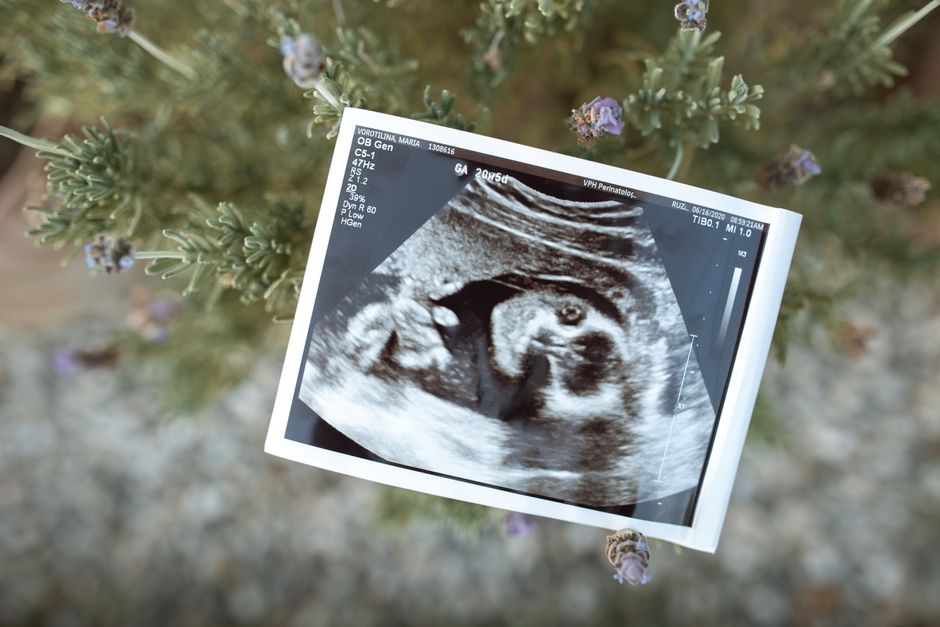
A day 5 embryo transfer is a common step in IVF where the embryo has developed to the blastocyst stage before being placed into the uterus. This typically happens five days after fertilization, and it is a moment many patients describe as both exciting and nerve-wracking. The transfer itself is a quick, painless procedure, but the days that follow involve waiting, physical recovery, and careful attention to medication schedules.
What Happens During The Day 5 Transfer Procedure
The transfer itself is one of the simplest parts of the entire IVF process. You will lie on an exam table, usually with your legs in stirrups similar to a pelvic exam. A speculum is inserted to visualize the cervix, and a thin, flexible catheter is guided through the cervix into the uterus.
The embryologist loads the embryo into the catheter in a tiny drop of fluid. The doctor then gently pushes the embryo into the uterine cavity. An abdominal ultrasound is often used during the procedure to guide the catheter placement. The entire process typically takes less than 15 minutes, and most patients report only mild cramping or no discomfort at all.
After the catheter is removed, the embryologist checks it under a microscope to confirm the embryo was not retained. You will likely be asked to rest on the table for a few minutes before getting dressed. There is no medical evidence that prolonged bed rest improves implantation rates, but many clinics still recommend a short period of quiet activity for the rest of the day.
Why Day 5 Embryos Are Transferred
By day 5, a healthy embryo reaches the blastocyst stage. This means it has developed from a single cell into a structure with roughly 100 to 200 cells. The blastocyst has two distinct cell types: the inner cell mass that becomes the fetus and the outer layer called the trophoblast that becomes the placenta.
Transferring at this stage allows the embryo to enter the uterus at the same time it would naturally arrive. In natural conception, the embryo reaches the uterus around day 5 after fertilization. This timing may improve the chances of successful implantation because the uterine lining is optimally prepared to receive the embryo.
Another advantage is that allowing embryos to reach day 5 provides more information about their development. Embryos that arrest before day 5 are less likely to result in a pregnancy. A blastocyst transfer therefore selects for embryos with higher developmental potential, which may explain why many clinics report higher implantation rates with day 5 transfers compared to day 3 transfers.
What To Expect Physically After The Transfer
Most patients feel completely normal after the procedure. Some report light spotting or a small amount of clear or pink discharge for a day or two. This is often related to the speculum or catheter irritating the cervix, not a sign of a problem.
Mild cramping can occur and is generally considered normal. The uterus can respond to the catheter with mild contractions. These usually settle within a few hours. If you experience severe pain, heavy bleeding, or a fever, contact your clinic immediately.
Constipation and bloating are common in the days following a transfer. This is frequently related to progesterone supplementation, which is standard after embryo transfer. Progesterone slows the digestive tract. Drinking plenty of water, eating fiber-rich foods, and light walking can help.
You can return to normal daily activities the next day. Heavy lifting, intense exercise, and sexual intercourse are typically restricted for a short period, but the exact recommendations vary by clinic. Some clinicians recommend avoiding strenuous activity for two weeks, while others allow moderate exercise after a few days. Follow your specific clinic’s instructions.





Medications After The Transfer
Progesterone is the cornerstone of post-transfer care. It supports the uterine lining and helps maintain the early pregnancy. It is usually given as an intramuscular injection, a vaginal suppository, or a vaginal gel. The route depends on your clinic’s protocol and your personal preference.
Estrogen is also commonly prescribed, especially if you used a frozen embryo transfer cycle. Estrogen helps build and maintain the uterine lining. Some patients take oral estrogen tablets, while others use patches. The exact dosing and duration are determined by your clinic based on your individual cycle.
These medications are typically continued until the pregnancy test, which usually occurs 9 to 11 days after the transfer. If the test is positive, medications are often continued for several more weeks until the placenta can produce hormones on its own. Never stop these medications without explicit instructions from your doctor.
The Two Week Wait After A Day 5 Transfer
The period between the transfer and the pregnancy test is often called the two week wait, although for day 5 transfers it is usually closer to 9 to 11 days. This is widely considered the most emotionally challenging part of the IVF journey.
You may experience symptoms such as breast tenderness, fatigue, mild cramping, or changes in appetite. These are largely caused by progesterone supplementation, not necessarily by pregnancy itself. Many patients who do not become pregnant experience identical symptoms. Conversely, many patients who do become pregnant have no symptoms at all during this period.
Home pregnancy tests are generally not recommended before your scheduled blood test. The hCG trigger shot used before egg retrieval can remain in your system for up to 10 days and cause a false positive. Also, the embryo may not produce enough hCG to be detected on a urine test until after day 10. A blood test at your clinic measures hCG levels with much greater sensitivity and accuracy.
Some clinics recommend avoiding alcohol and limiting caffeine during the two week wait. There is no strong evidence that moderate caffeine intake prevents implantation, but many clinicians advise caution. Smoking is strongly discouraged as it is associated with lower IVF success rates.
What Determines Success After A Day 5 Transfer
Several factors influence whether a day 5 transfer results in pregnancy. Embryo quality is one of the most important. Embryos are graded based on their appearance under a microscope, including the size of the inner cell mass and the quality of the trophoblast. Higher-grade embryos have better observed outcomes, but even lower-grade blastocysts can result in healthy pregnancies.
Maternal age is another significant factor. Success rates decline with age because egg quality decreases over time. This affects the chromosomal health of the embryo, which is a primary determinant of implantation and early pregnancy viability.
Uterine health matters as well. A normal uterine cavity, healthy endometrial lining, and the absence of conditions like large fibroids or untreated polyps contribute to better outcomes. Some research suggests an endometrial thickness of at least 7 to 8 millimeters is associated with higher success rates.
Chromosomal status of the embryo is also relevant. If you had preimplantation genetic testing (PGT), a euploid embryo with the correct number of chromosomes has a higher chance of implantation than an untested or aneuploid embryo. However, PGT does not guarantee success.
When You Can Take A Pregnancy Test
A blood pregnancy test is typically scheduled 9 to 11 days after the transfer. This timing allows enough hCG to accumulate in your bloodstream if implantation has occurred. The test measures the exact amount of hCG present, and a level above a certain threshold indicates pregnancy.
If the test is negative, your clinic will likely instruct you to stop progesterone and estrogen. Your period will usually begin within a few days. This is an emotionally difficult outcome, and it is important to acknowledge that one failed cycle is common. Most patients who achieve pregnancy do so after more than one transfer.
If the test is positive, you will likely have a second blood test 48 hours later to confirm the hCG level is rising appropriately. An ultrasound is usually scheduled about two weeks after the positive test to confirm the pregnancy is progressing and to check for the fetal heartbeat.
Frequently Asked Questions
Is a day 5 embryo transfer painful?
Most patients report only mild cramping or no pain during a day 5 transfer. The procedure uses a thin flexible catheter and typically takes less than 15 minutes.
How many days after a day 5 transfer should I take a pregnancy test?
Your clinic will schedule a blood pregnancy test about 9 to 11 days after the transfer. Home urine tests are not recommended before this because the hCG trigger shot can cause false positives.
Can I work the day after a day 5 embryo transfer?
Yes, most patients can return to work and normal daily activities the day after the transfer. Heavy lifting and intense exercise are typically restricted for a short period, but light activity is fine.
What are the signs of successful implantation after a day 5 transfer?
There are no reliable signs of implantation, and symptoms like cramping or breast tenderness are usually caused by progesterone medication. A blood test is the only accurate way to know if the transfer was successful.
