
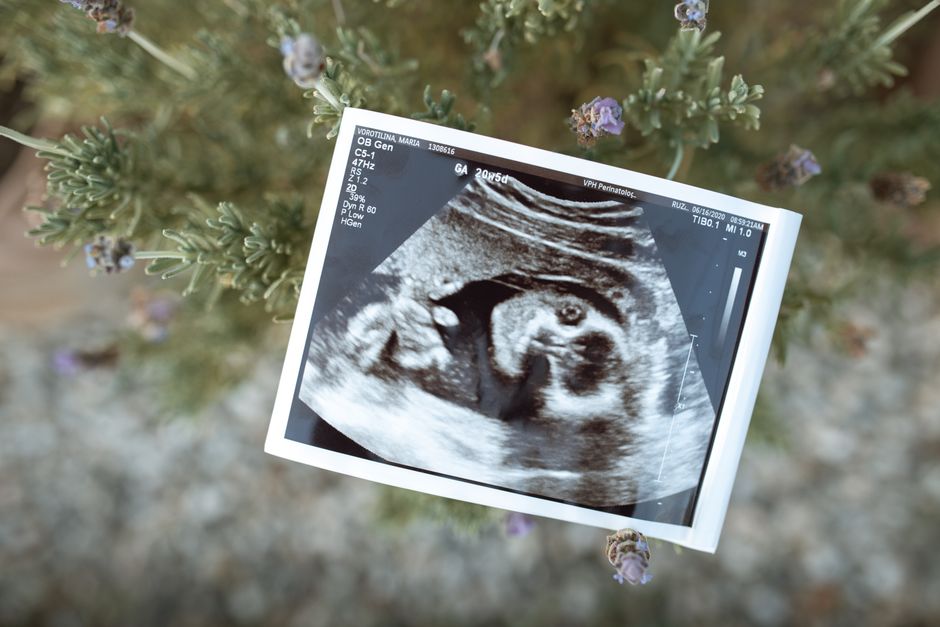
An embryo transfer can fail even when the embryos, the timing, and the clinic all look good on paper. This is one of the hardest parts of IVF for patients to understand. The truth is that a successful pregnancy requires more than just a healthy embryo. The embryo must implant into the uterine lining, and that lining must be ready to accept it. When the transfer fails, it usually comes down to an embryo issue, a uterine issue, or a combination of both that we cannot fully predict or control.
What Actually Happens During an Embryo Transfer
The transfer itself is a simple procedure. A doctor guides a thin catheter through the cervix and places the embryo into the uterine cavity. The procedure takes minutes and rarely causes pain. But the biological work that follows is far more complex.
Within hours, the embryo must hatch from its outer shell, called the zona pellucida. Then it must attach to the endometrium, the lining of the uterus. This attachment is called implantation. It depends on precise communication between the embryo and the mother’s uterine lining. If either side is not ready, implantation will not happen.
Most failed transfers are not caused by the procedure itself. The placement is usually accurate. The failure happens in the days after the transfer, during this invisible biological conversation between embryo and uterus.
Why Does Embryo Transfer Fail? Why It Happens
Embryo transfer fails because the embryo stops developing, the uterus cannot support implantation, or the two are not synchronized. These are the three core reasons. In many cases the embryo has a genetic abnormality that stops it from developing further. In other cases the uterine lining has a structural or functional problem that prevents attachment. Sometimes the embryo and the lining are both healthy, but they are not ready at the same time.
The most common single cause is chromosomal abnormality in the embryo. Even embryos that look perfect under a microscope can carry genetic errors. These errors often stop development before the embryo can implant. This is why a “beautiful” embryo can still fail to produce a pregnancy.
The Embryo’s Role in Failed Implantation
Embryo quality is the single most important factor in whether a transfer succeeds. But quality is hard to judge. A embryologist evaluates embryos on appearance — cell number, cell uniformity, and fragmentation. These features correlate with success, but they do not guarantee it.
Many embryos with normal appearance have abnormal chromosomes. This condition is called aneuploidy. The risk of aneuploidy rises with maternal age. At age 35, a significant percentage of embryos are abnormal. By age 40, the majority are. These abnormal embryos usually fail to implant or miscarry early, often before a woman even knows she was pregnant.
Some research suggests that even embryos with normal chromosomes can fail to implant if their metabolism is off or if they carry certain genetic mutations. This is an area of active study. The honest position is that we cannot fully predict which embryos will implant simply by looking at them.





The Uterine Lining and Receptivity
The uterine lining must be receptive to the embryo. This window of receptivity is narrow — typically a few days in the middle of the menstrual cycle. If the transfer happens outside this window, implantation fails even with a healthy embryo.
Doctors usually time transfers based on the day of the cycle and hormone levels. Most transfers work well with this approach. But some women have a shifted window of implantation. Their lining becomes receptive earlier or later than average. This condition is difficult to diagnose and is not routinely tested.
Chronic inflammation of the uterine lining, called chronic endometritis, can also reduce receptivity. This condition is diagnosed by biopsy and treated with antibiotics. Some studies suggest that treating it improves pregnancy rates, but the evidence is not definitive. Some clinicians recommend testing for it after repeated failures. It is not part of standard care for a first transfer.
Structural Problems Inside the Uterus
Physical abnormalities can block implantation. Uterine polyps, fibroids, and scar tissue can all interfere. Polyps are small growths on the lining. Fibroids are muscle tumors in the uterine wall. Scar tissue, called adhesions, can form after surgery or infection.
Not all fibroids matter. Submucosal fibroids, which bulge into the uterine cavity, are the most likely to reduce implantation rates. Intramural fibroids, which sit in the muscle wall, may also have an effect depending on size and location. A saline ultrasound or hysteroscopy can identify these issues. Removing them can improve outcomes in some cases.
A thin uterine lining is another concern. Most clinics look for a lining thickness of at least 7 mm before transfer. Below this threshold, pregnancy rates drop. But some women have successful pregnancies with thinner linings, and some fail with thicker ones. Thickness is a useful guide, not a guarantee.
Hormonal and Immune Factors
Hormones prepare the lining for implantation. Estrogen builds the lining. Progesterone matures it and supports the early pregnancy. If progesterone levels are too low after transfer, the lining may not support the embryo.
Progesterone supplementation is standard after transfer. Most women receive vaginal suppositories, injections, or both. Blood tests for progesterone are not always reliable, so most clinics do not routinely check levels unless there is a concern.
Immune factors are more controversial. Some researchers believe that an overactive immune response can attack the embryo. Treatments like intralipid infusions or intravenous immunoglobulin are used by some clinics. But large, well-designed trials have not confirmed that these treatments improve live birth rates. The evidence is limited. Some clinicians recommend them after repeated unexplained failures, but this is not an evidence-based standard of care.
Lifestyle Factors That Matter
Lifestyle choices have a smaller effect than embryo genetics or uterine health, but they still matter. Smoking is the clearest risk factor. It reduces implantation rates and increases miscarriage risk. Stopping smoking before IVF improves outcomes.
Heavy alcohol use is also linked to lower success rates. Moderate caffeine intake appears safe, but very high intake may be harmful. Most clinics recommend limiting caffeine to one or two cups per day.
Body weight affects outcomes at both extremes. A body mass index over 30 or under 18 is associated with lower pregnancy rates. The reasons are not fully understood but likely involve hormonal changes. Weight loss or gain before treatment may improve chances, but rapid changes can also disrupt cycles.
Stress does not directly prevent implantation in a measurable way. Some studies show a link between high stress and lower success, but the effect is small and difficult to separate from other factors. Reducing stress is good for your health, but it is not a proven way to improve IVF success.
What Happens After a Failed Transfer
A failed transfer does not mean IVF will never work. Many women who fail their first transfer succeed on a later attempt. The failure provides information. Your doctor may recommend additional testing before the next cycle.
Common next steps include genetic testing of embryos, a hysteroscopy to examine the uterine cavity, or a biopsy to check for inflammation. These tests are not needed for everyone. They are typically considered after two or more failures.
It is also worth understanding that a negative pregnancy test after a transfer is different from a biochemical pregnancy. A biochemical pregnancy means the embryo implanted and produced hCG, but the pregnancy stopped very early. This suggests the embryo and uterus could communicate, but something went wrong after implantation. This distinction matters because it may point toward different causes and different next steps.
Frequently Asked Questions
Can a failed embryo transfer be prevented?
Not entirely. Genetic testing of embryos and uterine evaluation can reduce the risk, but no method guarantees success.
How long should I wait between failed transfers?
Most clinics recommend waiting one to two menstrual cycles. This allows hormone levels to return to normal and gives time for any additional testing.
Does a failed transfer mean the embryo was abnormal?
Not always, but chromosomal abnormality is the most common cause. Uterine receptivity, structural issues, and hormonal problems can also play a role.
Is a second transfer more likely to succeed?
For many women, yes. The first failure often leads to additional testing and adjustments that improve the next attempt. Success rates for subsequent transfers depend on the reason for the first failure.
