
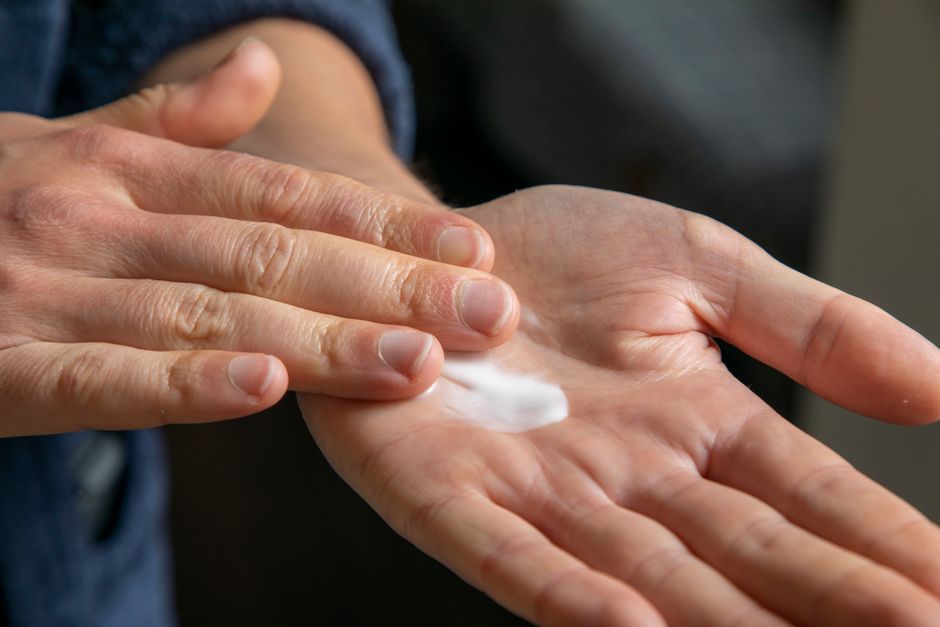
Applying testosterone cream is straightforward, but doing it safely requires attention to detail. The main risks are skin irritation, inconsistent dosing, and accidentally transferring the medication to other people — especially women and children. You can avoid these problems by washing your hands after every application, covering the application site with clothing, and keeping the cream away from children and pets. The most important rule is simple: treat the cream as a medication that must never touch anyone else’s skin.
How To Apply Testosterone Cream Safely And Avoid Transfer?
The application method matters as much as the dose itself. Testosterone cream is a topical medication that absorbs through the skin into the bloodstream. Where you apply it, how much you use, and what you do afterward all affect how well it works and how safe it is for people around you.
Start with clean, dry skin. Showering before application is ideal because sweat and oils can block absorption. Apply the cream to the areas your doctor recommended — typically the shoulders, upper arms, or thighs. Rotate the application site daily to reduce skin irritation. Do not apply to the genitals, face, or broken skin.
Use the exact amount prescribed. Testosterone cream comes with a dosing device, usually a pump or a packet. Use it precisely. More cream does not mean better results. It means a higher risk of side effects and a greater chance of transfer to others.
Rub the cream in thoroughly until it disappears. This takes about 30 to 60 seconds. Do not rub so hard that the skin turns red. Redness means irritation, which can increase absorption unpredictably.
Wash your hands immediately after application. This is the single most important step for preventing transfer. Use soap and warm water. Dry your hands with a towel you do not share.
Cover the application site with clothing. A t-shirt or long sleeve shirt creates a physical barrier between the cream and anyone who touches you. Wait until the cream is completely dry before putting on clothes, which usually takes about 5 to 10 minutes.
Why Is Transfer Dangerous?
Testosterone is a powerful hormone. When it enters someone who does not need it, it can cause real harm. The people most at risk are women and children.
In women, accidental exposure to testosterone cream can cause symptoms like acne, facial hair growth, deepening of the voice, and changes in the menstrual cycle. These changes can be difficult to reverse, especially if exposure happens repeatedly over time.
In children, the risks are more serious. A child who absorbs testosterone may experience early puberty, aggressive behavior, and accelerated bone growth that can stunt final height. The FDA has issued warnings about children being accidentally exposed to testosterone gels and creams through skin contact with the person using the medication.
Pets are also at risk. Dogs and cats can absorb testosterone through their skin if they lick or rub against an application site. Symptoms in pets include enlarged genitals, increased aggression, and changes in behavior.
How Long Does Testosterone Cream Stay On The Skin?
The cream does not disappear after it dries. It leaves a residue on the skin that can transfer to other people for hours. This is why covering the application site is essential, not optional.
Most testosterone gels and creams reach peak absorption within the first few hours after application. However, some medication remains on the skin surface for much longer. Research indicates that the risk of transfer is highest in the first 4 to 6 hours after application, but the risk does not drop to zero until you wash the area.
Showering removes the residual cream. If you are concerned about transfer — for example, before close contact with a partner or holding a child — wash the application site with soap and water first. This will remove most of the remaining medication.
Do not apply the cream right before swimming or intense exercise. Sweating can wash the cream off before it absorbs, and swimming can spread it into shared water. Apply the cream at a time when you can stay dry and still for at least an hour afterward.





Which Application Sites Are Safest?
Doctors typically recommend the shoulders, upper arms, or thighs for testosterone cream. These areas have good blood flow, which helps absorption, and they are easy to cover with clothing.
Avoid the chest and abdomen. These areas have thinner skin and higher absorption, which can lead to unpredictable blood levels. The chest is also a common contact point for hugging, which increases transfer risk.
Do not apply testosterone cream to the scrotum or genitals. Some men do this believing it improves results, but this is not supported by evidence. Genital skin absorbs testosterone much faster and more completely than other skin, which can cause dangerously high blood levels and increased side effects.
Rotate between the approved sites. For example, apply to the left shoulder on Monday, the right shoulder on Tuesday, the left thigh on Wednesday, and so on. This gives each area time to recover and reduces the chance of skin irritation.
How To Handle Spills And Disposal
Spills happen. When they do, clean them up immediately and thoroughly. Use a paper towel to wipe up the cream, then clean the surface with soap and water. Dispose of the paper towel in a trash bag that is tied closed. If the spill is on fabric, wash the fabric separately from other clothing.
Dispose of expired or unused testosterone cream properly. Do not flush it down the toilet or pour it down the drain. Check with your local pharmacy about medication take-back programs. If none are available, mix the cream with coffee grounds or cat litter in a sealed bag before throwing it in the trash. This makes it less attractive to children and pets.
Store testosterone cream out of reach of children and pets. A locked cabinet or a high shelf in a bathroom is appropriate. The medication should be kept at room temperature, away from direct sunlight and moisture.
What About Using Testosterone Cream With A Partner?
This is a common concern, and the answer is practical. You can maintain intimacy while using testosterone cream, but you need to plan ahead.
The safest approach is to apply the cream in the morning and shower before close physical contact in the evening. This gives the medication many hours to absorb and removes most of the residual cream before contact.
If you need to apply the cream close to the time of physical contact, cover the application site with clothing and do not remove it during contact. Do not allow your partner’s bare skin to touch the application site.
Be honest with your partner about your medication. They need to know that the cream is a hormone that can affect them. If your partner is pregnant or trying to become pregnant, the precautions are even more important. Testosterone exposure during pregnancy can harm a developing fetus.
Some couples choose to use a condom or other barrier during intimate contact to reduce transfer risk. This is a reasonable precaution, though washing the application site is the most effective method.
Signs Of Overexposure Or Side Effects
Even with careful application, side effects can occur. Know what to watch for.
Skin irritation at the application site is the most common side effect. Redness, itching, or a rash can develop within days or weeks. If this happens, tell your doctor. They may recommend a different application site or a different formulation.
Systemic side effects indicate that your testosterone levels are too high. These include acne, mood changes, irritability, increased aggression, swelling in the ankles or feet, breast tenderness, and difficulty urinating. Sleep apnea can also worsen. If you notice any of these, contact your doctor. They may need to adjust your dose.
Men with prostate cancer or breast cancer should not use testosterone therapy. If you have a family history of these cancers, discuss the risks with your doctor before starting treatment. Regular monitoring with blood tests is standard care for anyone using testosterone replacement therapy.
If you miss a dose, do not double up. Apply the next dose at the scheduled time. Doubling up can cause a dangerous spike in testosterone levels.
Frequently Asked Questions
How long after applying testosterone cream is it safe to touch someone?
Wait until the cream is completely dry, about 5 to 10 minutes, then cover the area with clothing. The risk of transfer remains for hours, so washing the area before skin-to-skin contact is the safest approach.
Can testosterone cream transfer through clothing?
Clothing acts as a barrier and significantly reduces transfer risk. However, if the clothing becomes wet or is shared with another person, some medication can transfer.
What happens if a woman touches testosterone cream?
A single small exposure is unlikely to cause lasting harm, but repeated contact can cause acne, facial hair growth, voice deepening, and menstrual changes. Wash the area with soap and water immediately if contact occurs.
Is it safe to apply testosterone cream before bed?
Yes, but be careful about sheets and pajamas. The cream can transfer to bedding and then to a partner or child who sleeps in the same bed. Wear clothing that covers the application site and wash bedding regularly.
