
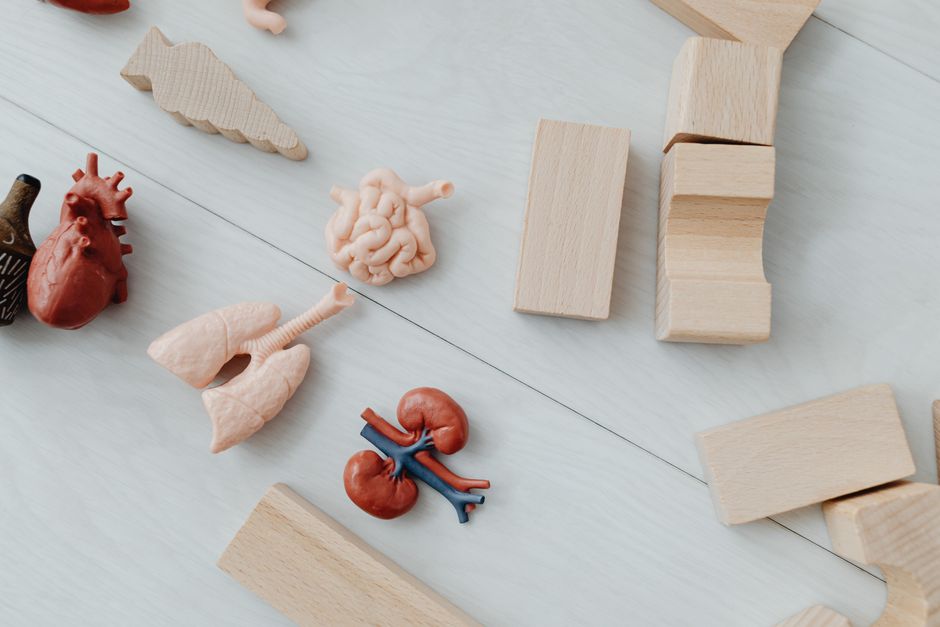
If you have kidney stones, what you eat can help stop new ones from forming and may help small ones pass. The right diet depends on the type of stone you have, but for most people, the goal is to drink more water, eat more fruits and vegetables, and limit sodium and animal protein. There is no single “kidney stone diet” that works for everyone, but the core principles are well established.
Does Drinking More Water Really Help?
Yes, this is the single most effective thing you can do. Studies consistently show that higher fluid intake reduces the risk of forming new stones. The goal is to produce at least 2 to 2.5 liters of urine per day. That usually means drinking 8 to 12 cups of fluid daily, depending on your activity level and climate. Water is best. Sugary drinks like soda and sweetened fruit juice increase risk and should be limited. If your urine is dark yellow, you likely need to drink more.
What To Eat With Kidney Stones: Calcium-Rich Foods
This is where many people get confused. You might think avoiding calcium helps because stones contain calcium. The opposite is true. Eating enough calcium from food actually lowers your risk of forming calcium oxalate stones, which are the most common type. Dietary calcium binds to oxalate in your gut before it reaches your kidneys. This prevents oxalate from being absorbed into your blood and then forming stones in the urine.
Good sources of dietary calcium include milk, yogurt, cheese, and calcium-set tofu. Leafy greens like kale and bok choy also contain calcium, though they also contain oxalate. The net effect from food is still protective for most people. Do not take calcium supplements without talking to your doctor. Supplements taken on an empty stomach can increase stone risk, especially in people who have had stones before.
What About Oxalate-Rich Foods?
Oxalate is a natural compound found in many plant foods. In people prone to calcium oxalate stones, high oxalate intake can increase risk. But you do not need to avoid all oxalate foods. The key is to eat them with a source of calcium at the same meal. This allows the calcium and oxalate to bind together in your gut and pass out in your stool instead of your urine.
Foods higher in oxalate include spinach, rhubarb, beets, beet greens, Swiss chard, nuts, chocolate, and soy products. If you eat spinach salad, add some cheese or yogurt to the meal. If you snack on almonds, have them with a glass of milk. Do not cut out these healthy foods entirely unless your doctor or dietitian advises it. For most people, the benefits of these vegetables outweigh the risks when eaten properly.


How Much Sodium Should You Eat?
High sodium intake is a major risk factor for kidney stones. Sodium causes your kidneys to excrete more calcium into your urine. More calcium in the urine means more material available to form stones. The recommended limit for most adults is less than 2,300 milligrams of sodium per day. If you have had kidney stones, many guidelines suggest aiming for under 2,000 milligrams daily.
Most sodium in the American diet comes from processed and restaurant foods, not from your salt shaker. Bread, deli meats, canned soups, frozen dinners, and salty snacks are common sources. Cooking at home with herbs and spices instead of salt is one of the most effective changes you can make. Read nutrition labels and choose products labeled “low sodium” or “no salt added.”
Should You Limit Animal Protein?
Diets high in animal protein increase the acid load in your body. This acid load can increase calcium excretion and reduce citrate levels in your urine. Citrate is a natural stone inhibitor. Lower citrate means higher risk. This is especially relevant for people who form uric acid stones or calcium stones with low urinary citrate.
You do not have to become vegetarian. But reducing your portion sizes of meat, poultry, and fish can help. Aim for a serving of animal protein about the size of a deck of cards per meal. Replace some animal protein with plant proteins like beans, lentils, and tofu. These plant sources are lower in sulfur-containing amino acids that produce acid. The DASH diet, which is rich in fruits, vegetables, and low-fat dairy, has been shown to reduce stone risk in multiple studies.
What About Vitamin C and Supplements?
High-dose vitamin C supplements are a concern. The body converts excess vitamin C into oxalate. Taking 1,000 milligrams or more of supplemental vitamin C per day has been linked to increased oxalate levels and higher stone risk in some studies. Getting vitamin C from food, like oranges and bell peppers, does not appear to carry the same risk. Food sources provide much lower amounts and come with other protective nutrients.
Other supplements to be cautious with include vitamin D and calcium in high doses. Taking calcium supplements without food increases the amount of calcium in your urine at one time. This can promote stone formation. If you need a calcium supplement, take it with meals. Vitamin D helps your body absorb calcium, so very high doses could theoretically raise calcium levels in urine. Talk to your doctor before starting any supplement if you have a history of kidney stones.
What Foods Help Prevent Specific Stone Types?
The most common stone type is calcium oxalate. For these stones, the key strategies are adequate dietary calcium, low sodium, moderate oxalate, and plenty of water. The second most common type is calcium phosphate. The same general dietary advice applies, though sometimes the underlying cause is a medical condition like renal tubular acidosis. Uric acid stones are different. They form in acidic urine. For uric acid stones, reducing animal protein is especially important. Some people also benefit from a medication that raises urine pH.
Cystine stones are rare and genetic. They require a very specific treatment plan from a kidney specialist. Struvite stones are linked to urinary tract infections and are treated by removing the stone and treating the infection. Diet plays a smaller role for these types. If you do not know what kind of stone you had, ask your doctor to have it analyzed. The stone type determines which dietary changes matter most.
Can Citrus Fruits Help?
Citrus fruits like lemons, limes, and oranges are rich in citrate. Citrate binds to calcium in the urine and prevents crystals from growing into stones. Drinking lemonade made from real lemons has been studied as a way to increase urinary citrate. Some research suggests it can help, especially for people with low citrate levels. But it is not a replacement for medication if your citrate levels are very low.
The sugar content matters. Commercial lemonade is often high in added sugar, which can increase stone risk. Make your own with fresh lemon juice and water, using minimal or no sweetener. A typical recommendation is the juice of one lemon mixed into 2 liters of water per day. Orange juice also contains citrate but has more natural sugar and calories. Water with lemon is the simplest option.
Frequently Asked Questions
Can I eat spinach if I have kidney stones?
Yes, but eat it with a calcium-rich food like cheese or yogurt at the same meal. This helps the oxalate and calcium bind in your gut instead of your kidneys.
Is milk bad for kidney stones?
No. Drinking milk and eating dairy products lowers your risk of forming calcium oxalate stones. The calcium in food binds oxalate in the gut before it reaches the kidneys.
What is the best drink for kidney stones besides water?
Water with fresh lemon juice is the best option. The citrate from lemons can help prevent stone formation, and there is no added sugar.
Should I avoid nuts and chocolate?
Not necessarily. Both are high in oxalate, but eating small amounts with a calcium source at the same meal is generally fine for most people.
