
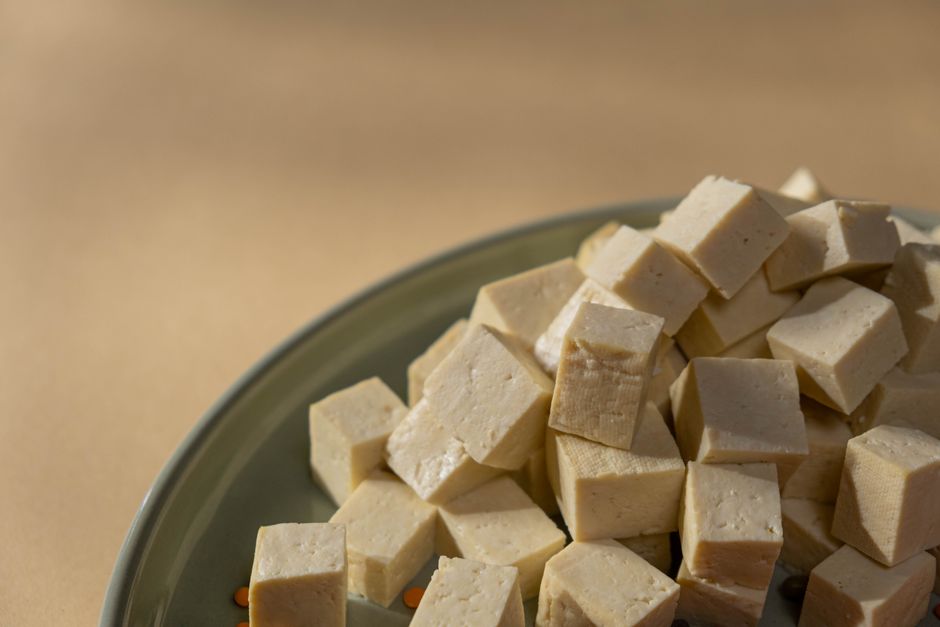
Tofu is a common source of confusion for people managing chronic kidney disease (CKD). The direct answer is that tofu is moderately high in phosphorus, but it is often considered a better choice than many animal proteins. The key difference lies in absorption; the phosphorus in tofu comes from plant sources, which the human body does not absorb as completely as the phosphorus found in meat and dairy. This makes tofu a viable protein option for many kidney diets, provided portion sizes are managed carefully.
Is Tofu High In Phosphorus Kidney Diet Facts?
Yes, tofu contains phosphorus, but the amount depends on the variety. A half-cup serving of firm tofu typically contains around 250 to 300 milligrams of phosphorus. However, the type of phosphorus it contains is different from what you find in animal products.
About 40 to 60 percent of the phosphorus in plant foods like tofu is absorbed by the body. In contrast, the body absorbs 60 to 80 percent of the phosphorus from animal sources. This means that even if the numbers on a nutrition label look similar, tofu delivers less active phosphorus to your bloodstream than a comparable serving of meat or dairy.
Why Plant Phosphorus Matters for Kidney Health
Your kidneys filter excess phosphorus from your blood. When kidney function declines, phosphorus levels can build up. High phosphorus levels over time can weaken bones and increase cardiovascular risk.
Phosphorus in plants is stored as phytate, a compound that humans cannot fully digest. Because of this, the mineral passes through the digestive tract without being completely absorbed. This natural limitation is why many renal dietitians prefer plant proteins for patients with high phosphorus levels.
Tofu also provides high-quality protein without the saturated fat found in many animal proteins. For people with kidney disease who also have diabetes or heart conditions, this is a meaningful advantage.
Comparing Tofu to Other Protein Sources
To understand where tofu fits in a kidney diet, it helps to compare it directly with common protein foods. The phosphorus content varies widely across protein sources.
| Food (Half-Cup or 3 oz Serving) | Approximate Phosphorus Content | Absorption Rate |
|---|---|---|
| Firm tofu | 250–300 mg | 40–60% |
| Chicken breast | 200–250 mg | 60–80% |
| Ground beef | 150–200 mg | 60–80% |
| Milk (1 cup) | 220–250 mg | 60–80% |
| Cheddar cheese | 200–250 mg | 60–80% |
| Dried beans (cooked) | 120–150 mg | 40–60% |
The numbers for tofu and chicken look similar on paper. But because the body absorbs less of the phosphorus from tofu, the actual impact on blood phosphorus levels is lower.





How Much Tofu Can You Eat on a Kidney Diet?
There is no single answer that fits every person. Phosphorus limits depend on your stage of kidney disease, your blood test results, and whether you are on dialysis.
For most people with CKD who are not on dialysis, general dietary guidance suggests limiting phosphorus to around 800 to 1,000 milligrams per day. For people on dialysis, the limit is often the same, but protein needs are higher, which makes food choices more complex.
A reasonable starting point is a half-cup serving of tofu, which provides roughly 250 to 300 milligrams of phosphorus. That fits within most renal diet plans when other high-phosphorus foods are limited.
Your nephrologist or renal dietitian can provide a specific target based on your latest lab work. Blood tests for phosphorus, calcium, and PTH (parathyroid hormone) guide these decisions.
The Calcium Connection in Tofu
Calcium and phosphorus work together in the body. Many brands of tofu are made with calcium sulfate, which adds significant calcium to the final product. A half-cup of calcium-set tofu can contain 350 to 400 milligrams of calcium.
This matters for kidney patients because calcium and phosphorus balance is tightly regulated. High phosphorus intake can cause calcium to be pulled from bones. At the same time, too much calcium intake can lead to vascular calcification in advanced kidney disease.
Check the ingredient label when buying tofu. If calcium sulfate is listed, the tofu is higher in calcium. If magnesium chloride or nigari is used instead, the calcium content is much lower. Neither option is inherently better, but knowing the difference helps you manage your total daily intake of both minerals.
Phosphorus Additives and the Hidden Danger
Natural phosphorus in whole foods is only part of the picture. The bigger problem for kidney patients is inorganic phosphate, which is added to processed foods as a preservative and flavor enhancer.
Inorganic phosphate additives are absorbed almost completely by the body, close to 100 percent. These additives are found in many processed meats, flavored waters, colas, baked goods, and fast food. A single serving of a processed food with phosphate additives can contain as much phosphorus as several servings of tofu.
Tofu is a whole food and does not contain these additives. When you choose tofu over a processed protein source, you avoid the hidden phosphorus load that is common in the modern diet.
Practical Tips for Including Tofu in a Kidney-Friendly Meal Plan
If your kidney team approves tofu as a protein source, preparation matters. The way you cook tofu can change its mineral content slightly, though not dramatically.
- Choose firm or extra-firm tofu for grilling, baking, or stir-frying. Soft and silken tofu are higher in water and lower in protein per serving.
- Rinse and pat dry the tofu before cooking. This does not remove phosphorus, but it improves texture.
- Pair tofu with low-phosphorus vegetables like bell peppers, zucchini, or cabbage.
- Use herbs, garlic, ginger, and lemon juice for flavor instead of soy sauce, which is high in sodium.
- Track the calcium content if you use calcium-set tofu regularly.
Portion control is the single most important factor. Eating a full block of tofu in one meal provides more phosphorus than most kidney patients should consume in a day.
What the Research Says About Plant Protein and CKD
Research on plant-based diets for kidney disease has grown substantially in recent years. Some studies suggest that shifting protein intake from animal sources to plant sources may slow the progression of CKD, though the evidence is not conclusive enough to make universal recommendations.
One reason plant proteins may be beneficial is their lower phosphorus bioavailability. Another is their higher fiber content and lower inflammatory profile compared to heavy meat consumption.
No major clinical trial has proven that tofu specifically improves kidney outcomes. The evidence supports plant proteins as a category being generally favorable for kidney health, but individual responses vary.
When Tofu Might Not Be the Best Choice
Tofu is not appropriate for everyone with kidney disease. People with advanced kidney failure who have very high phosphorus levels despite dietary changes may need to limit all high-phosphorus foods, including tofu.
People with a history of calcium-containing kidney stones may also need to moderate tofu intake because of its calcium content. This is particularly relevant if the tofu is made with calcium sulfate.
Soy allergy is another consideration, though it is relatively uncommon. If you experience digestive discomfort after eating tofu, other plant proteins like lentils or chickpeas may be better tolerated, though these also contain phosphorus and require portion management.
Always discuss major dietary changes with your healthcare team. A renal dietitian can help you integrate tofu into your meal plan without exceeding your phosphorus or potassium targets.
Frequently Asked Questions
Can kidney patients eat tofu every day?
Daily tofu consumption can fit within a kidney diet if portion sizes are controlled and your blood phosphorus levels stay in range. Check with your renal dietitian to confirm your specific daily limit.
Is tofu better than chicken for kidney disease?
Tofu may be better than chicken because the body absorbs less of its phosphorus. However, chicken provides more protein per serving, so the right choice depends on your protein needs and phosphorus targets.
Does rinsing tofu remove phosphorus?
No, rinsing tofu does not remove phosphorus. The mineral is bound within the soybean curd structure and cannot be washed away with water.
Is silken tofu lower in phosphorus than firm tofu?
Silken tofu is lower in phosphorus per serving because it contains more water and less soybean solids. A half-cup of silken tofu provides roughly 100 to 150 milligrams of phosphorus.
