
Many people believe calcium causes kidney stones. That belief is only half right. The full answer depends on where the calcium comes from. Calcium from food is generally protective against kidney stones. Calcium from supplements, especially when taken without food, can increase your risk of developing them. This difference matters for anyone who has had a stone or wants to avoid one.
Why Calcium from Food Helps Prevent Kidney Stones
The most common type of kidney stone is calcium oxalate. Oxalate is a natural compound found in many plant foods like spinach, rhubarb, and beets. When oxalate and calcium meet in the kidneys, they can bind together and form crystals. Those crystals can grow into stones.
Calcium from food changes where that binding happens. When you eat calcium-rich foods, the calcium binds with oxalate in your intestines instead of in your kidneys. The bound compound passes through your digestive system and leaves your body in stool. Less oxalate reaches the kidneys, so fewer stones form.
This is not a theory. Research consistently shows that people who eat higher amounts of dietary calcium have lower rates of kidney stones. The landmark studies on this topic followed tens of thousands of men and women over many years. The results were clear: more dietary calcium meant fewer stones.
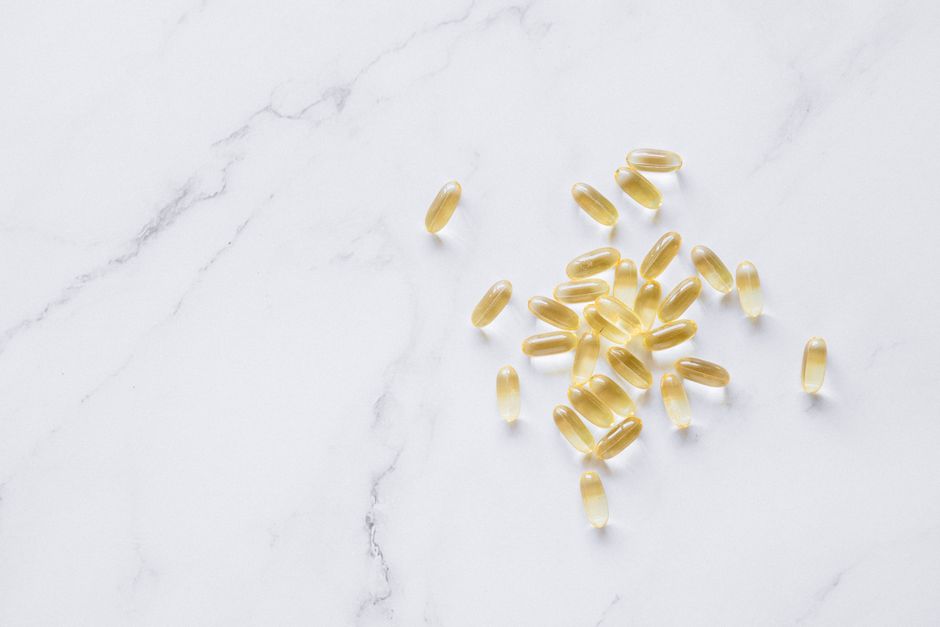
How Calcium Supplements Change the Picture
Calcium supplements do not behave the same way in your body as calcium from food. When you take a supplement, especially on an empty stomach, a large amount of calcium enters your bloodstream quickly. Your kidneys filter that extra calcium out of your blood. That raises the calcium concentration in your urine.
High urinary calcium is one of the strongest risk factors for calcium oxalate stones. If your urine holds more calcium, that calcium has more opportunity to bind with oxalate in the kidney. The protective effect of binding oxalate in the gut does not happen because the supplement is not traveling through your digestive system with a meal.
The evidence supports this distinction. Studies have found that people who take calcium supplements have a higher risk of stones compared to people who get the same amount of calcium from food. This does not mean every person who takes a calcium supplement will develop a stone. It means the risk increases at the group level.
Who Is Most at Risk from Calcium Supplements
Certain groups need to be more careful than others. Postmenopausal women are the largest group taking calcium supplements because of bone health concerns. Some research in this population has shown an increased risk of kidney stones among supplement users.
People who have already had a kidney stone are another high-risk group. Once you have formed one stone, your chance of forming another is significantly elevated. Adding a calcium supplement on top of that existing risk is not wise without discussing it with a doctor.
People with a family history of kidney stones should also be cautious. Kidney stones run in families, suggesting a genetic component to how your body handles calcium and oxalate. If your relatives have had stones, your baseline risk is already higher.
No clinical guidelines currently recommend calcium supplements for the general population to prevent kidney stones. They are prescribed for bone health, not stone prevention. If you take them for bone health, the timing matters.




Is Calcium Bad For Kidney Stones Food Vs Supplements
The contrast between food and supplements is stark enough that it deserves its own section. Food calcium protects. Supplement calcium can harm. This is one of the clearest examples in nutrition where the source of a nutrient changes its effect on the body.
A typical serving of dairy provides about 300 mg of calcium. That amount is safe and beneficial for most people. Even people who have had kidney stones are usually encouraged to continue eating calcium-rich foods. Restricting dietary calcium can actually increase stone risk because more oxalate reaches the kidneys.
The problem with supplements is not the calcium itself. It is the delivery method. A supplement delivers a concentrated dose without the other components of food that slow absorption. Food also contains magnesium, potassium, and other minerals that influence how calcium is processed.
If you need a calcium supplement for bone health, the evidence suggests taking it with meals. Taking it with food mimics some of the benefits of dietary calcium because it travels through your digestive tract with other nutrients. Taking it between meals maximizes the spike in urinary calcium, which is exactly what you do not want.
How Much Calcium Do You Actually Need
The recommended daily intake for most adults is about 1000 mg of calcium. Women over 50 and men over 70 need slightly more, around 1200 mg per day. Most people can hit these targets through food alone.
Three servings of dairy per day provide roughly 900 to 1000 mg of calcium. If you do not eat dairy, you can get calcium from fortified plant milks, leafy greens, tofu made with calcium sulfate, and canned fish with bones like sardines or salmon.
Before adding a supplement, it is worth tracking your food intake for a few days. Many people who think they need a supplement are already getting enough from their diet. A supplement on top of adequate dietary calcium pushes you into the higher-risk zone without adding bone benefit.
Blood tests for calcium do not tell you if you are getting enough dietary calcium. Your body tightly regulates blood calcium levels, pulling from bone stores when needed. The best way to assess your intake is to honestly review what you eat.
What to Do If You Have Had a Kidney Stone
If you have passed a kidney stone, talk to your doctor about a metabolic evaluation. This testing looks at your urine over 24 hours to measure calcium, oxalate, citrate, uric acid, and other factors. The results tell you what kind of stone you form and what your specific risk factors are.
The most common advice for stone formers is not to avoid calcium. It is to get calcium from food, drink plenty of fluids, and limit sodium. High sodium intake increases the amount of calcium your kidneys excrete. Reducing salt can be as important as managing calcium intake.
Citrate is another important factor. Citrate binds calcium in the urine and prevents crystal formation. Foods high in citrate include lemons, limes, and oranges. Some doctors recommend lemon water for stone formers, though the evidence for this is modest.
Your doctor may also recommend a medication depending on your urine test results. Thiazide diuretics reduce urinary calcium. Allopurinol reduces uric acid. Potassium citrate raises urinary citrate. These are prescription options for people who keep forming stones despite dietary changes.
The Bottom Line on Calcium and Kidney Stones
Calcium is not the enemy when it comes to kidney stones. The enemy is calcium in the wrong form at the wrong time. Food calcium protects against stones by binding oxalate in the gut. Supplement calcium increases risk when taken without food because it spikes urinary calcium levels.
If you are deciding whether to take a calcium supplement, ask yourself why you are taking it. If it is for bone health and you cannot meet your needs through food, take it with a meal. If you have had a kidney stone, discuss any supplement use with your doctor before starting.
The evidence does not support avoiding calcium-rich foods out of fear of kidney stones. In fact, doing so may increase your risk. Dairy, fortified foods, and calcium-rich vegetables are not just safe for most people. They are protective.
Frequently Asked Questions
Can I take calcium supplements if I have had kidney stones?
Talk to your doctor first. Some stone formers can take calcium supplements safely with meals, but others may need to avoid them entirely depending on their urine test results.
Does dairy cause kidney stones?
No. Research consistently shows that dairy products and other calcium-rich foods reduce kidney stone risk because calcium binds oxalate in the digestive tract before it reaches the kidneys.
How much calcium should I take daily to prevent kidney stones?
Most adults need about 1000 mg per day from food, not supplements. Women over 50 and men over 70 need about 1200 mg per day.
Do calcium supplements cause kidney stones?
Some studies indicate that calcium supplements taken without food increase stone risk. Taking supplements with meals appears to reduce that risk compared to taking them between meals.
