
Your kidneys filter about 150 quarts of blood every day. They remove waste, balance fluids, and help control blood pressure. Most people never think about them until something goes wrong. The good news is that daily habits matter more than you might expect. A consistent diet, steady water intake, and regular checkups do more for kidney health than any supplement or trendy cleanse.
What Is Good For Kidney Health Diet Water More?
Good kidney health comes down to three things: eating a balanced diet, drinking enough water, and avoiding known kidney stressors. No single food or drink protects your kidneys. The evidence points to overall patterns, not magic ingredients. A diet low in processed foods and high in vegetables, whole grains, and lean proteins supports kidney function. Water helps your kidneys flush waste, but only when you drink the right amount for your body.
Chronic kidney disease affects roughly 1 in 7 American adults. Many do not know they have it until late stages. That is why prevention matters. What you eat and drink today shapes your kidney health years from now.
How Much Water Should You Actually Drink?
The old advice of eight glasses a day is not backed by strong evidence. Your actual need depends on your body size, activity level, climate, and health status. A simple rule: drink when thirsty and check your urine color. Pale yellow usually means adequate hydration. Dark yellow suggests you need more fluids. Clear urine can mean you are drinking more than necessary.
For most healthy adults, the National Academies of Sciences, Engineering, and Medicine suggests about 11.5 cups of total water per day for women and 15.5 cups for men. That includes water from food, not just beverages. Fruits, vegetables, soups, and even coffee count toward this total.
Drinking too much water is possible but rare in healthy people. It becomes a real risk for those with advanced kidney disease or heart failure. If you have either condition, talk to your doctor about a fluid limit. Do not guess.
What Foods Protect Your Kidneys?
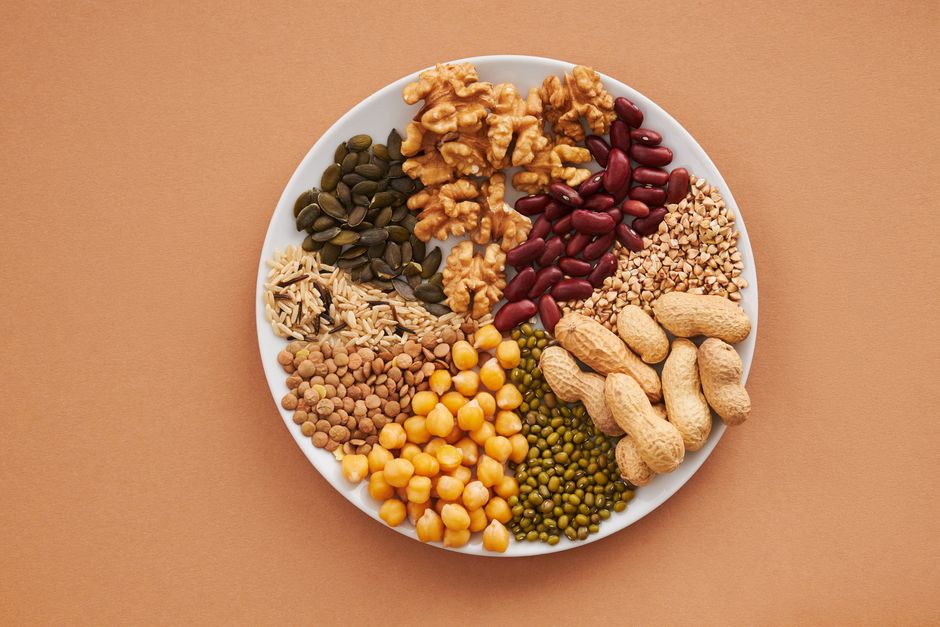
Research consistently shows that plant-forward eating patterns support kidney health. The DASH diet — originally designed for blood pressure — is one of the most studied approaches. It emphasizes vegetables, fruits, whole grains, nuts, and low-fat dairy while limiting sodium, red meat, and sugary drinks. Studies have found DASH-style eating lowers the risk of developing chronic kidney disease.
Specific foods that appear in kidney-friendly diets include:
- Leafy greens like spinach and kale, which provide potassium — but only if your kidneys handle potassium normally
- Berries and apples, which are lower in potassium than bananas and oranges
- Fish rich in omega-3 fatty acids, like salmon, for their anti-inflammatory effects
- Whole grains such as oats and brown rice instead of refined white bread
- Olive oil as a primary cooking fat
No single food prevents kidney disease. The pattern matters. People who eat a Mediterranean-style or DASH-style diet consistently show lower rates of kidney function decline in observational studies.



What Foods Hurt Your Kidneys?
Excess sodium is the clearest dietary risk. High sodium raises blood pressure, and high blood pressure damages the small blood vessels in your kidneys over time. Most Americans eat far more than the recommended limit of 2,300 mg per day — about one teaspoon of salt. Processed foods are the main source, not your salt shaker.
Ultra-processed foods deserve special attention. Studies link diets high in these products — packaged snacks, sugary drinks, fast food, processed meats — with faster kidney function decline. The exact mechanism is not fully understood, but the pattern is consistent across multiple large studies.
Red meat is another area of concern. Some research suggests that high intake of red meat, especially processed red meat, increases kidney disease risk. The effect may come from the metabolic load these proteins place on kidneys. Plant proteins appear gentler on kidney function in many studies.
Sugary drinks are directly harmful. High fructose intake increases uric acid production, which can stress the kidneys. One large study found that people who drank two or more sugary sodas per week had a higher risk of kidney disease. Diet sodas are not clearly better — some research shows mixed results.
Does Protein Harm Your Kidneys?
This is one of the most common questions, and the answer depends on your current kidney status. For healthy people with normal kidney function, a standard protein intake — about 0.8 grams per kilogram of body weight — is safe. High-protein diets above 2 grams per kilogram may increase pressure inside the kidneys, but no strong evidence shows they cause kidney disease in healthy people.
For people with existing kidney disease, the situation changes. Lower protein intake slows disease progression. Clinical guidelines recommend reduced protein for those with chronic kidney disease, especially in later stages. If you have kidney disease, do not start a high-protein diet without talking to your nephrologist.
Bodybuilders and athletes who consume very high protein should be aware of this distinction. The kidneys work harder to excrete urea, a byproduct of protein breakdown. That extra work is manageable for healthy kidneys but not for damaged ones.
What About Supplements and Herbal Remedies?
No supplement has been proven to protect kidneys in healthy people. Some can harm them. This is an area where marketing runs far ahead of evidence.
Certain herbal supplements contain compounds toxic to the kidneys. Aristolochic acid, found in some traditional Chinese medicines, is a known cause of kidney failure. Other supplements can interact with medications and increase kidney strain. Creatine is generally safe for healthy people but can raise creatinine levels, which may look like kidney damage on blood tests.
Vitamin and mineral supplements are not harmless either. High doses of vitamin C can increase oxalate production and kidney stone risk. Excess vitamin D can raise blood calcium, which stresses the kidneys. If you have normal kidney function and eat a varied diet, you likely do not need supplements for kidney health.
Some clinicians recommend omega-3 supplements for people with certain kidney conditions like IgA nephropathy. That is a specific clinical decision, not a general recommendation. Always tell your doctor about every supplement you take.
What Medical Tests Track Kidney Health?
Two simple blood and urine tests give a clear picture of kidney function. The estimated glomerular filtration rate, or eGFR, is calculated from a blood creatinine level. A normal eGFR is 90 or above. Below 60 for three months or more suggests chronic kidney disease. Below 15 indicates kidney failure.
The urine albumin-to-creatinine ratio detects protein leaking into urine. This is an early sign of kidney damage, often before eGFR drops. The two tests together give a more complete picture than either alone.
Blood pressure matters too. Hypertension is both a cause and a consequence of kidney disease. Keeping blood pressure below 130/80 mmHg is the standard target for most people with kidney disease, though individual goals vary.
If you have diabetes, high blood pressure, a family history of kidney disease, or are over 60, annual kidney testing is reasonable. Early detection allows interventions that slow progression. Most people do not need more frequent testing unless their doctor recommends it.
Can You Reverse Kidney Damage?
Early-stage kidney disease can sometimes be stabilized or even improved. Acute kidney injury — sudden damage from dehydration, medications, or infection — can fully recover with treatment. Chronic kidney disease is different. Established scar tissue in the kidneys does not regenerate.
What you can do is slow or stop further decline. Blood pressure control is the single most effective intervention. Medications like ACE inhibitors or ARBs protect the kidneys beyond just lowering blood pressure. Blood sugar control in diabetics is equally critical.
Avoiding nephrotoxic medications matters. Nonsteroidal anti-inflammatory drugs — ibuprofen, naproxen, diclofenac — are common causes of medication-related kidney damage. Occasional use is generally safe. Daily use over months or years is not. Acetaminophen is safer for the kidneys but has its own risks at high doses.
Weight loss helps if you are overweight. Obesity increases blood pressure and directly stresses kidney tissue. Even modest weight loss of 5-10% improves kidney outcomes in many studies.
Frequently Asked Questions
Is drinking more water always good for your kidneys?
No. Most healthy people benefit from adequate hydration, but drinking excessive amounts does not improve kidney function further. People with advanced kidney disease or heart failure may need to limit fluids.
Can kidney damage be reversed?
Acute kidney injury can recover, and early chronic kidney disease can sometimes stabilize with treatment. Established scar tissue in chronic kidney disease does not regenerate, but progression can often be slowed significantly.
Are eggs bad for your kidneys?
No, eggs are not inherently bad for kidneys. For people with kidney disease, egg whites are a high-quality protein source lower in phosphorus than many other proteins. For healthy people, eggs pose no kidney risk.
Does drinking coffee affect kidney health?
Research suggests moderate coffee consumption is not harmful and may even be protective. Some studies link coffee intake with lower kidney disease risk. Caffeine is a mild diuretic but does not dehydrate you to a harmful degree.
