
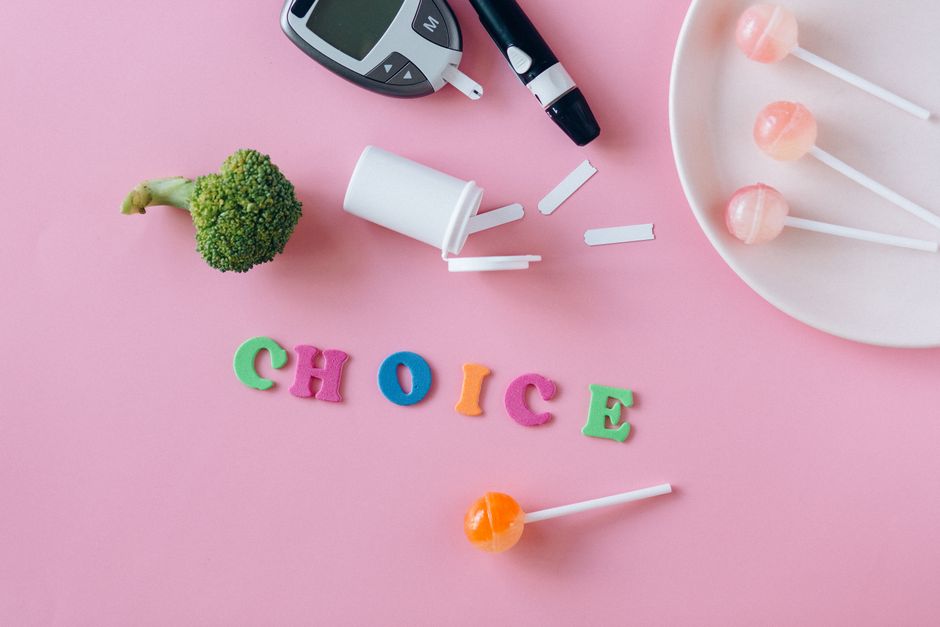
Managing diabetes often comes down to daily food choices. The best choices are foods that keep blood sugar steady — non-starchy vegetables, whole grains, legumes, lean proteins, and healthy fats. The worst choices are foods high in refined sugar and refined carbohydrates, like sugary drinks, white bread, pastries, and processed snacks. These foods cause rapid blood sugar spikes and can make diabetes harder to control over time.
What Can A Diabetic Eat Best And Worst Choices?
The best foods for diabetes are those with a low glycemic impact and high nutritional value. That means foods that release glucose slowly into the bloodstream. Non-starchy vegetables like spinach, broccoli, and peppers are excellent. So are beans, lentils, and chickpeas. Whole grains such as oats, quinoa, and brown rice are better than refined grains. Fatty fish like salmon provide protein and omega-3s. Nuts, seeds, and olive oil offer healthy fats that do not raise blood sugar directly.
The worst choices are foods that break down quickly into sugar. Regular soda, fruit juice, and sweetened teas are among the fastest ways to spike blood glucose. White bread, white rice, and most breakfast cereals act similarly. Pastries, cookies, cakes, and candy are dense with sugar and refined flour. Many processed foods also hide added sugar under names like high-fructose corn syrup, maltose, and dextrose.
Portion size matters as much as food type. Even healthy carbohydrates raise blood sugar. A person with diabetes can eat a small serving of brown rice but should avoid a large bowl. The key is pairing carbohydrates with protein, fiber, or fat to slow digestion and blunt blood sugar rises.
How Does Food Affect Blood Sugar?
When you eat carbohydrates, your body breaks them down into glucose. Glucose enters the bloodstream, and the hormone insulin helps move it into cells for energy. In type 2 diabetes, cells become resistant to insulin. The pancreas works harder to produce more insulin, but blood sugar still rises.
Foods differ in how fast they raise blood sugar. Simple sugars like table sugar and honey enter the bloodstream quickly. Refined grains like white flour act almost as fast because the fiber has been removed. Complex carbohydrates like beans and whole grains contain fiber, which slows digestion. Protein and fat also slow stomach emptying, which delays glucose absorption.
This is why food choices matter. A meal of grilled chicken, brown rice, and broccoli produces a gradual rise in blood sugar. A meal of white bread with jam produces a sharp spike. Over time, repeated spikes increase insulin resistance and raise the risk of diabetes complications.
Best Foods for Diabetes
These foods consistently rank among the best choices for blood sugar control:
- Non-starchy vegetables: Leafy greens, broccoli, cauliflower, zucchini, peppers, and asparagus. These are low in carbohydrates and high in fiber and vitamins.
- Legumes: Lentils, black beans, chickpeas, and kidney beans. They provide protein and fiber while releasing glucose slowly.
- Whole grains: Oats, quinoa, barley, and brown rice. Choose versions with intact grains rather than finely ground flours.
- Lean proteins: Chicken, turkey, fish, eggs, and tofu. Protein does not raise blood sugar and helps with satiety.
- Healthy fats: Olive oil, avocados, nuts, and seeds. These do not raise blood sugar and support heart health.
- Low-glycemic fruits: Berries, apples, pears, and citrus fruits. These contain fiber and are less likely to spike blood sugar than tropical fruits.
Research consistently shows that diets rich in these foods improve blood sugar control. Studies published in major medical journals have found that a Mediterranean-style diet — heavy on vegetables, legumes, whole grains, and olive oil — reduces hemoglobin A1c levels in people with type 2 diabetes. The effect is comparable to some oral medications.
One non-obvious point: the order in which you eat foods can affect blood sugar. Eating protein and vegetables before carbohydrates slows glucose absorption. Some studies suggest this simple change reduces post-meal blood sugar spikes. It costs nothing and requires no special foods.





Worst Foods for Diabetes
Some foods are consistently problematic for blood sugar control. They should be limited or avoided:
- Sugary beverages: Soda, sweetened iced tea, fruit punch, and energy drinks. Liquid sugar absorbs faster than solid food.
- Fruit juice: Even 100 percent juice concentrates sugar without the fiber of whole fruit. A glass of orange juice can raise blood sugar as much as a candy bar.
- White bread and refined grains: White bread, white rice, and most crackers and pretzels. These have had the fiber removed, so they digest rapidly.
- Pastries and desserts: Donuts, cakes, cookies, and pastries combine refined flour with added sugar and unhealthy fats.
- Sugary breakfast cereals: Many cereals contain more sugar by weight than a candy bar. Check labels carefully.
- Processed snacks: Chips, microwave popcorn with flavoring, and packaged snack mixes often contain refined carbs and added sugar.
Fruit juice deserves special attention. Many people consider it healthy, but it is one of the worst choices for diabetes. A glass of juice removes the fiber that slows sugar absorption. Some research suggests that regular consumption of sugary drinks, including fruit juice, increases the risk of developing type 2 diabetes. For people who already have diabetes, juice causes rapid blood sugar spikes.
Artificial sweeteners are a more complicated story. Diet sodas contain no sugar, so they do not directly raise blood glucose. However, some evidence suggests that regular consumption of artificial sweeteners may affect gut bacteria and insulin sensitivity. The evidence is mixed. If you drink diet soda, moderation is reasonable. But water, unsweetened tea, or sparkling water are better choices.
What About Carbohydrate Counting?
Carbohydrate counting is a method many people with diabetes use to manage blood sugar. The idea is simple: track the grams of carbohydrates you eat at each meal. Most adults with diabetes aim for 45 to 60 grams of carbohydrates per meal, though individual needs vary.
This is a general guideline, not a prescription. No single carbohydrate target works for everyone. Your ideal amount depends on your weight, activity level, medications, and current blood sugar control. A registered dietitian can help you determine a personalized target.
Carbohydrate counting works because it makes you aware of portions. A cup of cooked white rice has about 45 grams of carbohydrates. A slice of whole wheat bread has about 15 grams. A cup of broccoli has about 6 grams. When you see the numbers, choosing broccoli over rice becomes easier.
The glycemic index adds another layer. This scale ranks foods by how quickly they raise blood sugar. Pure glucose scores 100. White bread scores around 75. Oatmeal scores around 55. Lentils score around 30. Lower-glycemic foods are generally better choices, but the glycemic index does not account for portion size. Combining glycemic index with carbohydrate counting is more useful than either method alone.
Can People with Diabetes Eat Sugar?
Yes, but with important limits. Sugar is not toxic to people with diabetes. The problem is that sugar is concentrated carbohydrates with no fiber to slow absorption. A small amount of sugar can fit into a diabetes meal plan if the rest of the meal is balanced.
The American Diabetes Association does not recommend completely eliminating sugar. Instead, it recommends limiting added sugars and replacing them with nutrient-dense foods. The key is accounting for sugar in your total carbohydrate intake. If you have a small cookie with 15 grams of carbohydrates, you can adjust your meal by reducing other carbohydrates.
That said, sugary foods are easy to overeat. A single slice of cake can contain 50 to 60 grams of carbohydrates — an entire meal’s worth. For most people with diabetes, regular consumption of desserts makes blood sugar control much harder. Occasional treats are different from daily habits.
If you crave something sweet, some research suggests that fruit may help. Whole fruit contains natural sugars but also fiber, water, and volume. An apple has about 25 grams of carbohydrates, but it is far more filling than a candy bar with the same carbohydrate count. The fiber also slows sugar absorption.
Practical Meal Planning Tips
Building a diabetes-friendly plate does not require complicated recipes. A simple method is the plate method: fill half your plate with non-starchy vegetables, a quarter with lean protein, and a quarter with whole grains or starchy vegetables. Add a small serving of fruit or low-fat dairy on the side if desired. This approach automatically controls portions and emphasizes the best food groups.
Read nutrition labels carefully. Total carbohydrates include all sugars, starches, and fiber. Look at serving size first — many packages contain multiple servings. Added sugars are now listed separately on US nutrition labels. Aim to keep added sugars low throughout the day.
Be cautious with “sugar-free” products. A sugar-free cookie may contain refined flour, which still raises blood sugar. Sugar-free does not mean carbohydrate-free. Check total carbohydrates, not just sugar content.
Regular eating patterns help. Skipping meals can cause blood sugar to drop too low, especially if you take certain diabetes medications. Then you may overeat at the next meal, causing a spike. Most people do well with three balanced meals and one or two small snacks if needed.
Alcohol requires special attention. Beer and sweet wines contain carbohydrates. Hard liquor contains none but can cause dangerously low blood sugar hours later, especially on an empty stomach. If you drink, do so with food and monitor your blood sugar. The safest approach is to ask your doctor about alcohol use and your specific medications.
Frequently Asked Questions
Can diabetics eat fruit?
Yes, whole fruit is a good choice because it contains fiber that slows sugar absorption. Berries, apples, and citrus fruits are better options than tropical fruits like mango or pineapple.
Is brown rice better than white rice for diabetes?
Yes, brown rice is better because it retains its fiber-rich bran layer, which slows digestion. However, portions still matter — a large serving of brown rice will still raise blood sugar.
Can diabetics eat potatoes?
Potatoes are starchy and raise blood sugar, but they can fit into a diabetes meal plan in small portions. Sweet potatoes and boiled potatoes have a lower glycemic response than French fries or mashed potatoes made with butter and cream.
Are artificial sweeteners safe for diabetics?
Artificial sweeteners do not raise blood sugar directly and are generally recognized as safe in moderate amounts. Some research suggests they may affect gut bacteria, but the evidence is mixed and more research is needed.
