
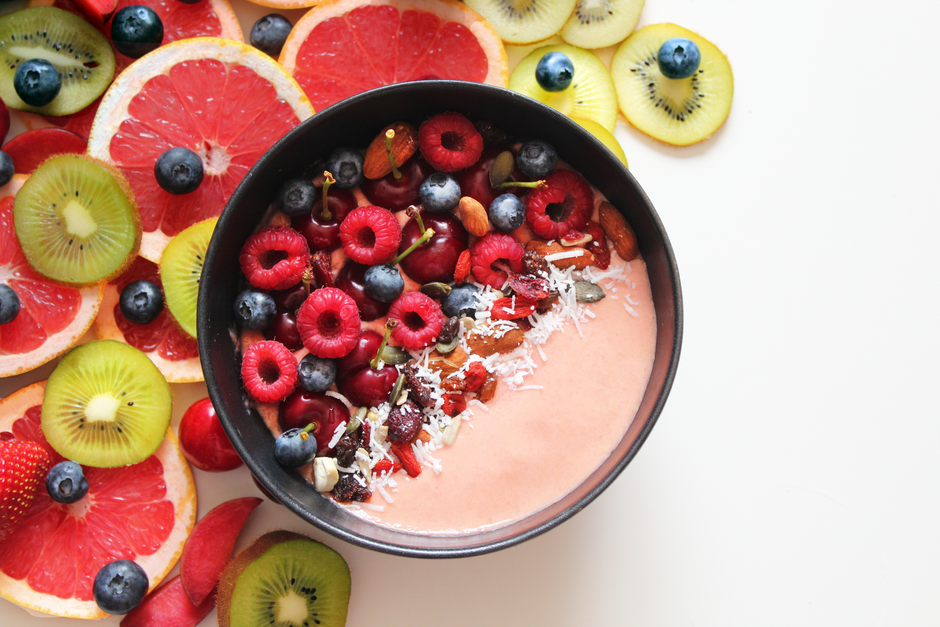
Your body is under constant attack from unstable molecules called free radicals. They damage cells, contribute to aging, and increase the risk of chronic diseases. The main defense comes from antioxidants, which neutralize free radicals before they cause harm. You get the most effective antioxidants from whole foods—particularly fruits, vegetables, and other plant foods—and from vitamins like C and E that your body cannot make on its own.
What Are Free Radicals and Why Are They Harmful?
Free radicals are atoms or molecules with an unpaired electron. This makes them highly reactive. They grab electrons from whatever they bump into—DNA, cell membranes, proteins—which damages those structures. This process is called oxidation.
A certain level of free radicals is normal. Your immune system even uses them to kill pathogens. The problem starts when there are too many. This state, called oxidative stress, speeds up aging and is linked to heart disease, cancer, diabetes, and neurodegenerative conditions like Alzheimer’s.
Sources of excess free radicals include ultraviolet radiation, tobacco smoke, air pollution, alcohol, fried foods, and chronic inflammation. Your body also produces them naturally as a byproduct of metabolism.
How Do Antioxidants Neutralize Free Radicals?
Antioxidants are molecules that can donate an electron to a free radical without becoming unstable themselves. This stops the chain reaction of damage. Your body produces some antioxidants internally—like glutathione and enzymes such as superoxide dismutase. But many must come from your diet.
Vitamins C and E are classic antioxidants. Vitamin C works in watery environments inside and outside cells. Vitamin E protects cell membranes, which are fatty. Other important antioxidant compounds include beta-carotene, selenium, and a large group called polyphenols found in plants.
Antioxidants do not work alone. They often work in networks. For example, vitamin C can help regenerate vitamin E after it neutralizes a free radical. This is one reason eating a variety of antioxidant-rich foods is more effective than taking isolated supplements.
Which Foods Are Best for Fighting Free Radicals?
Whole plant foods consistently show the strongest antioxidant effects in research. Berries—blueberries, strawberries, raspberries—are among the most studied. They contain high levels of anthocyanins, a type of polyphenol. Dark leafy greens like spinach and kale provide lutein and zeaxanthin. Both are antioxidants that specifically protect eye tissue.
Other top sources include:
- Beans and legumes (especially kidney beans and black beans)
- Nuts and seeds (walnuts, pecans, sunflower seeds)
- Colorful vegetables (beets, red cabbage, broccoli, artichokes)
- Fruits (prunes, raisins, pomegranates, citrus, cherries)
- Dark chocolate with at least 70% cocoa
- Green tea and black tea
- Whole grains and spices (especially cinnamon, turmeric, cloves)
Cooking method matters. Boiling some vegetables can leach antioxidants into the water. Steaming or microwaving with minimal water better preserves them. Fat-soluble antioxidants in vegetables like carrots and tomatoes become more available when eaten with a little oil.





What Vitamins Are Most Effective Against Free Radicals?
Three vitamins stand out for their well-established antioxidant roles: vitamin C, vitamin E, and beta-carotene (which the body converts to vitamin A). Vitamin C is water-soluble and found in citrus fruits, bell peppers, kiwi, and broccoli. It helps protect cells from damage caused by free radicals from pollution and cigarette smoke.
Vitamin E is fat-soluble and works inside cell membranes. Rich sources include nuts, seeds, vegetable oils, and wheat germ. It stops the oxidation of lipids, which is a key step in artery-clogging plaque formation.
Beta-carotene is a precursor to vitamin A and acts as an antioxidant in its own right. It is found in orange and yellow vegetables and fruits such as carrots, sweet potatoes, and cantaloupe. Dark green leafy vegetables also contain beta-carotene, though the color is masked by chlorophyll.
Vitamin D and vitamin B2 (riboflavin) also have antioxidant properties, but their roles are less dominant. Selenium is not a vitamin but a mineral that functions as an essential part of antioxidant enzymes.
Do Supplements Work as Well as Food Sources?
No, the evidence does not support taking antioxidant supplements for the same benefits you get from foods. Large clinical trials have found that high-dose vitamin E, beta-carotene, or selenium supplements do not prevent heart disease or cancer and may in some cases increase risk. For example, the CARET trial showed that smokers who took high-dose beta-carotene supplements had a higher rate of lung cancer.
Food contains a complex mix of antioxidants and other compounds that work together. Supplements provide isolated nutrients at doses far above what food provides. This can disrupt the balance of antioxidant networks. The current consensus from multiple health organizations is clear: get your antioxidants from food, not pills.
There are some exceptions where supplements are medically indicated, such as for people with diagnosed deficiencies or specific conditions like age-related macular degeneration. But for general health, food sources are superior and safer.
Can Lifestyle Changes Help Reduce Free Radical Damage?
Yes. Reducing exposure to free radical sources can lower the burden on your antioxidant defenses. Quitting smoking is one of the most powerful steps. Smoking introduces thousands of free radicals directly into the lungs and bloodstream.
Limiting alcohol, avoiding excessive sun exposure, reducing air pollution exposure when possible, and maintaining a healthy body weight all help. Regular exercise produces a mild increase in free radicals during activity, but the body adapts by boosting its own antioxidant production. Overall, regular moderate exercise reduces oxidative stress compared to a sedentary lifestyle.
Getting adequate sleep is also important. During deep sleep, the brain clears out metabolic waste and your body produces melatonin, which acts as an antioxidant. Chronic sleep deprivation increases oxidative stress markers.
Avoiding charred or fried foods reduces intake of compounds called advanced glycation end products (AGEs), which promote oxidative stress. Choosing cooking methods like steaming, poaching, or stewing over high-heat grilling or frying can help.
Frequently Asked Questions
What is the most powerful antioxidant?
There is no single “most powerful” antioxidant because they work in different parts of the cell and with different free radicals. Glutathione is the most abundant antioxidant produced inside your cells, but you still need dietary sources like vitamin C, vitamin E, and polyphenols to maintain balance.
Is vitamin C better than vitamin E for fighting free radicals?
Neither is better overall—they target different environments. Vitamin C works in water-based fluids inside and outside cells, while vitamin E protects fatty cell membranes. They work together, and both are essential.
Can you get too many antioxidants from food?
No. Eating large amounts of antioxidant-rich foods is safe and beneficial. The concern is only with high-dose supplements, which can cause harm. Your body efficiently regulates absorption and excretion of food-based antioxidants.
Does cooking destroy antioxidants in vegetables?
It depends on the cooking method and the antioxidant. Water-soluble vitamin C is reduced by heat and leaching. But fat-soluble carotenoids in carrots and tomatoes become more available after cooking. Steaming or microwaving with little water preserves more antioxidants than boiling.
