
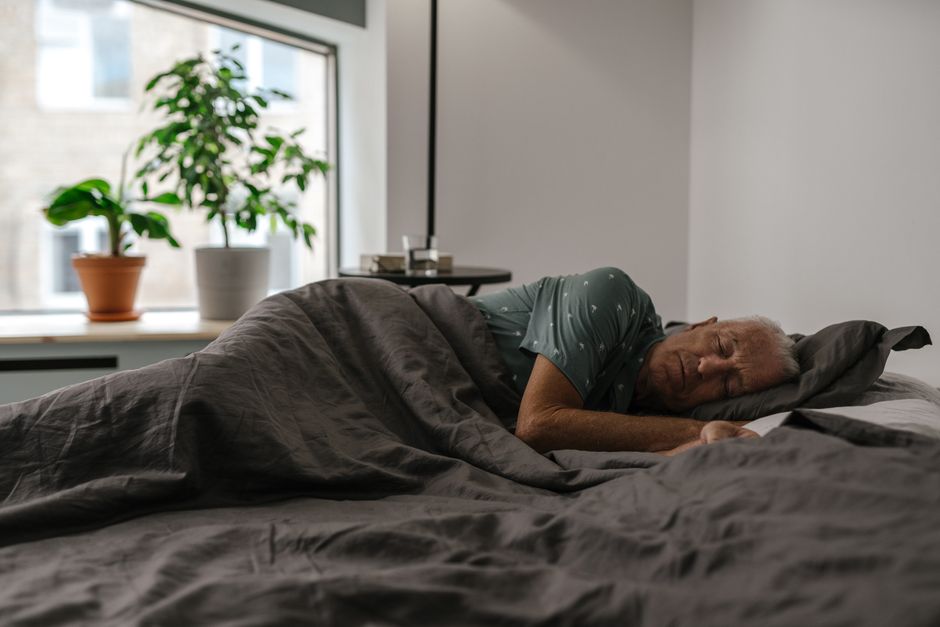
The food you eat before bed can either help you fall asleep faster or keep you staring at the ceiling. The best choices are small snacks that combine protein with complex carbs, like a banana with almond butter or a small bowl of oatmeal. The worst choices are heavy meals, sugary foods, and anything spicy or acidic close to bedtime. What you eat matters, but when and how much you eat matters just as much.
What Makes a Food Good or Bad for Sleep?
The science of sleep and food comes down to a few key things. Your body needs certain nutrients to produce sleep hormones like melatonin and serotonin. Foods that help are ones that contain tryptophan, magnesium, calcium, or complex carbohydrates. These work together to calm your nervous system and signal your brain that it is time to rest.
Foods that hurt your sleep tend to do one of three things. They spike your blood sugar, which can wake you up hours later. They trigger acid reflux, which makes lying down uncomfortable. Or they stimulate your brain instead of calming it down. Caffeine is the obvious one here, but sugar and even some spices can have similar effects.
The timing is also critical. Eating a large meal within two hours of bedtime forces your digestive system to work hard when it should be slowing down. Your body temperature needs to drop slightly for sleep to start, and digestion raises your core temperature. A full stomach also pushes against your diaphragm, which can make breathing less comfortable.
What Are the Best Foods to Eat Before Sleep?
Research published in the journal Nutrients found that foods rich in tryptophan, magnesium, and melatonin are consistently linked with better sleep quality. Tryptophan is an amino acid that your body converts into serotonin and then into melatonin. It is not a magic bullet, but it helps when combined with carbohydrates, which help move tryptophan into your brain.
Some of the best options include:
- Bananas — They contain magnesium, potassium, and tryptophan. Magnesium helps relax muscles and calm the nervous system. One banana about an hour before bed is a solid choice.
- Almonds or walnuts — A small handful provides magnesium and healthy fats. Walnuts also contain their own melatonin, which some studies suggest can raise blood melatonin levels.
- Cherries, especially tart cherries — They are one of the few natural food sources of melatonin. A small glass of tart cherry juice has been studied for its sleep-promoting effects. The University of Pennsylvania found that drinking tart cherry juice improved sleep time and quality in older adults with insomnia.
- Oatmeal — A small bowl of plain oatmeal with milk offers complex carbs and tryptophan. Keep the sugar low. Oatmeal also triggers insulin release, which helps clear other amino acids from your blood so tryptophan can enter your brain more easily.
- Warm milk or yogurt — Dairy contains both tryptophan and calcium. Calcium helps the brain use tryptophan to make melatonin. The warmth of the milk may also have a psychological calming effect.
Portion size matters. A snack should be about 150 to 200 calories. More than that and you risk the downsides of eating too close to sleep. Less than that and it may not be enough to prevent hunger from waking you up later.
What Are the Worst Foods to Eat Before Sleep?
The foods that disrupt sleep are often the ones people crave at night. That is not a coincidence. Your body’s internal clock naturally makes you want sugar and carbs in the evening, but giving in too much can backfire.
Spicy foods are a common culprit. Capsaicin, the compound that makes chili peppers hot, raises your body temperature. As mentioned earlier, your body needs to cool down to fall asleep. Spicy foods also increase the risk of acid reflux, especially when you lie down soon after eating. A study in the Journal of Clinical Sleep Medicine found that people who ate spicy meals close to bedtime spent more time awake during the night and had more trouble falling asleep.
High-sugar foods like cookies, cake, or ice cream cause blood sugar spikes. Your body releases insulin to bring the sugar down, but the crash can wake you up a few hours later. That middle-of-the-night alertness is your body responding to low blood sugar. It is not hunger. It is a hormonal signal.
Fatty and fried foods take a long time to digest. A burger and fries close to bedtime means your stomach is still working when your brain wants to shut down. This can cause discomfort, bloating, and even heartburn. The quality of your sleep suffers even if you do not wake up fully.
Caffeine is obvious but worth repeating. It stays in your system for hours. The half-life of caffeine is about five hours, meaning if you drink a cup of coffee at 4 PM, half of the caffeine is still in your body at 9 PM. Chocolate contains small amounts of caffeine plus theobromine, another stimulant. Dark chocolate has more than milk chocolate.
Alcohol is tricky. It helps you fall asleep faster, but it ruins sleep quality. Alcohol suppresses REM sleep and causes more frequent awakenings in the second half of the night. The CDC and the National Sleep Foundation both warn against using alcohol as a sleep aid. The sleep you get after drinking is not restorative sleep.





How Does Protein and Carb Timing Affect Sleep?
The balance of protein and carbohydrates in your evening snack matters more than most people realize. Protein provides tryptophan, but tryptophan has to compete with other amino acids to get into your brain. Carbohydrates help by triggering insulin, which clears the competing amino acids from your blood. That leaves tryptophan with a clear path.
This is why a protein-only snack like a chicken breast or a protein shake may not help as much as a combination snack. Turkey alone does not make you sleepy. Turkey with a small amount of carbs, like whole grain crackers or a piece of fruit, is more effective. The classic “turkey coma” after Thanksgiving dinner has more to do with the large amount of food and alcohol than the turkey itself.
Some people report that high-protein snacks before bed help them sleep better. That may be true for individuals, but the research evidence is mixed. A 2020 review in Advances in Nutrition found that protein intake before sleep can improve muscle synthesis during sleep, especially in older adults and athletes. But it did not find consistent evidence that protein alone improves sleep quality.
The takeaway is simple. A small snack with both protein and carbs is your best bet. A piece of fruit with cheese, a small bowl of cereal with milk, or half a turkey sandwich on whole wheat bread all fit the pattern.
Does What To Eat Before Sleep Best And Worst Foods Actually Change Sleep Quality?
Yes, but the effect size is modest for most people. If you already sleep well, changing your evening snack may not make a dramatic difference. If you struggle with sleep, food choices can be one piece of the puzzle.
The table below summarizes the key differences between helpful and harmful foods:
| Best Foods | Why They Help | Worst Foods | Why They Hurt |
|---|---|---|---|
| Bananas | Magnesium, potassium, tryptophan | Spicy foods | Raise body temperature, cause reflux |
| Almonds or walnuts | Magnesium, melatonin in walnuts | Sugary desserts | Blood sugar spike and crash |
| Tart cherries | Natural melatonin source | Fried foods | Slow digestion, discomfort |
| Oatmeal with milk | Complex carbs plus tryptophan | Caffeine after 2 PM | Blocks adenosine, keeps brain alert |
| Warm milk or yogurt | Calcium helps tryptophan use | Alcohol | Disrupts REM, causes nighttime waking |
The evidence is strongest for magnesium and tart cherry juice. The National Institutes of Health has funded research showing that magnesium supplementation can improve sleep in older adults with low magnesium levels. Food sources are always preferable to supplements unless a doctor recommends otherwise.
Tart cherry juice has been studied in multiple randomized controlled trials. A 2018 study in the American Journal of Therapeutics found that drinking tart cherry juice for two weeks increased sleep time by about 84 minutes in older adults with insomnia. That is a meaningful improvement for a simple dietary change.
What Are the Common Misconceptions About Food and Sleep?
The idea that warm milk is just a placebo is not accurate. Milk contains tryptophan and calcium, both of which have biological effects on sleep. The warmth may add a psychological comfort factor, but the nutrients are real. The placebo effect is not nothing either. If a warm drink helps you relax, that relaxation itself improves sleep.
Another common myth is that eating before bed causes weight gain. This is not entirely true. Weight gain comes from total calories eaten throughout the day, not from the timing of those calories. A 150-calorie snack before bed will not cause weight gain if your total daily intake is within your needs. The problem is that evening snacks tend to be high-calorie, high-sugar foods that push people over their daily limit.
Some people believe that all fruit before bed is bad because of sugar. This is not supported by evidence. The sugar in whole fruit comes with fiber, water, and nutrients that slow its absorption. A whole apple or a cup of berries is very different from a glass of apple juice or a candy bar. The fiber changes how your body handles the sugar.
There is also a misconception that you should avoid all liquids before bed to prevent waking up to use the bathroom. This is partly true for people with overactive bladders, but dehydration also disrupts sleep. A small glass of water or milk is fine. Avoid large drinks and caffeine-containing beverages.
Frequently Asked Questions
What is the single best food to eat before bed?
A banana with a small handful of almonds is widely considered the best choice because it provides magnesium, potassium, and tryptophan in a balanced snack.
How long before bed should I stop eating?
Most sleep experts recommend finishing your last meal at least two to three hours before bedtime and limiting snacks to one hour before sleep.
Is it bad to eat fruit before bed?
Whole fruit like bananas, cherries, or kiwis is fine before bed, but dried fruit or fruit juice has concentrated sugar that may disrupt sleep.
Can a lack of certain foods cause insomnia?
Low levels of magnesium and vitamin D have been linked to poorer sleep quality in multiple studies, though they are rarely the sole cause of chronic insomnia.
