

Gastroparesis changes the rules of eating. The stomach empties too slowly, so food sits longer than it should, and that delay drives bloating, nausea, early fullness, and sometimes vomiting. The dietary approach that helps most people is not about eating “healthy” in the usual sense. It is about eating foods that are easier for a sluggish stomach to move along, in smaller amounts, more often, with less fat and less fiber at any one sitting.
What Is Gastroparesis and Why Does Food Choice Matter So Much?
Gastroparesis means the stomach empties its contents into the small intestine more slowly than normal, without a physical blockage explaining it. The vagus nerve, which helps coordinate the muscular contractions that push food through the stomach, is often not functioning as it should. Diabetes is one of the most common known causes, but in many cases no clear cause is found.
Because the problem is mechanical — the stomach’s grinding and emptying is delayed — the texture and composition of what you eat directly affects how long it sits there. Fat slows gastric emptying in everyone. Fiber also slows it and can be hard for a weakened stomach to break down. Large volumes stretch the stomach and trigger symptoms. So the practical strategy is to reduce those burdens while still getting enough nutrition.
Symptoms tend to be worse when meals are large, high in fat, or high in insoluble fiber. Many people also find that liquids pass more easily than solids, which is why liquid and soft foods often play a bigger role in a gastroparesis diet than they would in a typical healthy eating plan.
What Foods Are Usually Easiest to Tolerate?
The foods that tend to work best are low in fat, low in fiber, and soft or liquid in texture. These move through the stomach with less resistance. This is a case where white bread and refined grains can be more tolerable than whole grains — the opposite of standard nutrition advice, and that reversal is intentional.
Foods many people tolerate relatively well include:
- Refined grains: white bread, white rice, plain pasta, cream of wheat, low-fiber cereals
- Lean, tender proteins: skinless chicken or turkey, fish, eggs, smooth peanut butter in small amounts
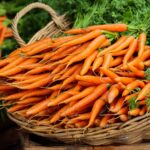
- Well-cooked or pureed vegetables without skins or seeds: carrots, squash, peeled potatoes
- Soft fruits or fruit purees without skins or seeds: bananas, applesauce, canned peaches
- Low-fat dairy: milk, yogurt, cottage cheese, or lactose-free versions if dairy causes symptoms
- Liquids and semi-liquids: broths, smoothies, nutritional shakes, pureed soups
Meat is often the hardest solid to digest because it requires a lot of stomach grinding. Chewing it very well, choosing tender cuts, or getting protein from softer sources can make a real difference. Some people do better with ground or minced meat than with a whole steak or chop.
What Foods Tend to Make Symptoms Worse?
High-fat and high-fiber foods are the two categories most likely to slow emptying further and trigger symptoms. This does not mean they are “bad” foods in general — it means they are poorly suited to a stomach that is already emptying slowly.
Foods that commonly cause trouble include:
- Fried foods and greasy meals
- Fatty cuts of meat, bacon, sausage, and heavy cream sauces
- High-fiber foods: raw vegetables, salads, beans, lentils, nuts, seeds, popcorn
- Whole grains and bran cereals
- Fruits and vegetables with skins, seeds, or tough fibers: apples with skin, berries with seeds, corn, cabbage
- Carbonated drinks, which add gas and pressure
- Very large meals of any kind
Fat is the single most consistent dietary factor that slows gastric emptying, so it often deserves the most attention. Some people also find that spicy foods, alcohol, and high-sugar foods worsen symptoms, though this varies more from person to person.



How Should Meals Be Structured Throughout the Day?
Smaller, more frequent meals usually work better than three large ones. Eating less at each sitting reduces stomach volume and the stretch that triggers symptoms, while eating more often helps you meet your nutrition needs across the day. Many people do better with four to six small meals or snacks rather than three standard meals.
A few practical habits tend to help:
- Chew thoroughly and eat slowly — digestion starts with the mouth
- Stay upright for a while after eating rather than lying down
- Drink fluids between meals rather than filling up on them during meals, unless liquids are your main source of nutrition
- Keep portions modest even when food is well tolerated
Timing matters too. Some people find their stomach empties better earlier in the day, so a larger share of calories at breakfast and lunch and a lighter dinner can reduce nighttime symptoms. This pattern is worth testing, though it does not work for everyone.
Do Liquids and Soft Foods Help?
Yes, for many people. Liquids and semi-liquid foods leave the stomach faster than solid food, so they often cause fewer symptoms. When solid meals become hard to manage, a diet built around blended and soft foods can help maintain intake.
Options that fit this approach include:
- Blended soups and pureed meals
- Smoothies made with low-fat dairy or a milk alternative and soft fruit
- Nutritional supplement drinks, which can also help meet calorie and protein needs
- Well-cooked, mashed, or pureed foods rather than chunky textures
Liquid nutrition is not a lesser choice here. When someone cannot eat enough solid food, oral nutrition supplements are a standard way to prevent weight loss and nutrient shortfalls. A doctor or dietitian can help match the type and amount to your needs.
Can Diet Alone Manage Gastroparesis?
Diet is the foundation of managing gastroparesis, but it is not always enough on its own. Some people need medication to help the stomach empty or to control nausea and vomiting. In more severe cases, other interventions may be considered. Dietary changes and medical treatment often work together rather than as alternatives.
Nutritional risk is real with this condition. Eating less, vomiting, and poor absorption can lead to weight loss, dehydration, and deficiencies in vitamins and minerals. If you are losing weight without trying, cannot keep food or fluids down, or feel persistently weak, that is a reason to contact a doctor rather than adjust your diet alone.
Working with a registered dietitian who understands gastroparesis is one of the most useful steps you can take. Nutrient needs, tolerance, and the right texture of foods vary a lot from person to person, and a plan built around your specific symptoms tends to work better than a generic list.
What About Fiber and Protein Needs?
Fiber is complicated in gastroparesis. It is important for overall health, but the types that add bulk and slow digestion can worsen symptoms. Soluble fiber, found in foods like oats and peeled soft fruits, is often better tolerated than insoluble fiber, found in wheat bran, nuts, and raw vegetables. Even so, tolerance varies, and some people need to limit fiber overall.
Protein deserves attention because it is easy to fall short on when meals are small and meat is hard to tolerate. Soft protein sources — eggs, fish, yogurt, soft tofu, and protein from liquid nutrition — can help you meet needs without the bulk of tough solid foods. Getting enough protein also helps protect muscle mass during periods of poor intake.
There is no single gastroparesis diet that fits everyone. The general principles — low fat, low fiber, small frequent meals, softer textures — are widely used, but the details depend on your symptoms and what you can tolerate. Tracking which foods help and which trigger symptoms is one of the most reliable ways to build a plan that works for you.
Frequently Asked Questions
What is the best food to eat with gastroparesis?
Soft, low-fat, low-fiber foods tend to be easiest to tolerate, such as white rice, eggs, well-cooked vegetables, and pureed fruit. There is no single best food, since tolerance varies from person to person.
Are bananas okay with gastroparesis?
Ripe bananas are often well tolerated because they are soft and low in fiber. Unripe bananas contain more resistant starch and may be harder to digest.
Should I avoid all fiber with gastroparesis?
Not necessarily. Soluble fiber from soft foods is often better tolerated than insoluble fiber from bran, nuts, and raw vegetables. Some people do need to limit fiber overall, so this depends on individual tolerance.
Can I drink smoothies with gastroparesis?
Many people tolerate smoothies well because liquids leave the stomach faster than solids. Keep them low in fat and avoid seeds or tough fibers that can slow emptying further.
