
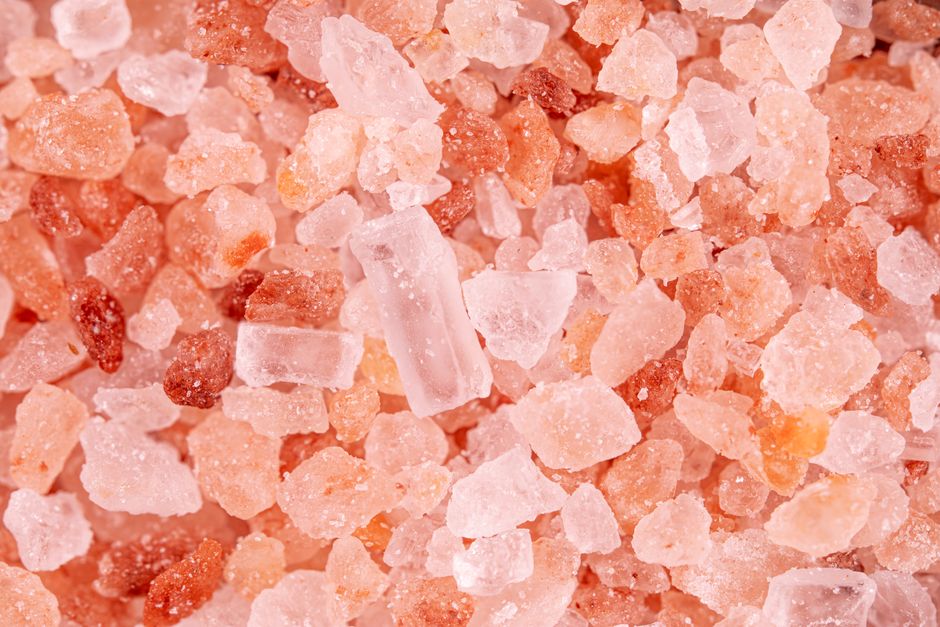
You taste the soup and wince. Too salty. Before you dump it down the drain, know that saltiness can often be reduced — but the fix depends on what you are cooking. The fastest fixes are adding bulk, adding fat, adding acid, or adding sweetness. Each one works in a different way, and none of them remove sodium from the food.
That last point matters. You can make salt less noticeable. You cannot make it disappear. So if you are watching your sodium for medical reasons, the fix changes the dish — not the sodium content.
Why Does Food Taste Too Salty?
Salt triggers specific taste receptors on your tongue. When sodium ions hit those receptors, your brain registers saltiness. The more sodium present, the stronger the signal.
Salt also suppresses bitterness and boosts other flavors. That is why a pinch of salt can make a bland dish taste fuller. But past a certain point, the salt signal overwhelms everything else.
Several things push a dish past that point:
- Salt added more than once during cooking
- Reduction — simmering evaporates water but leaves sodium behind, so the concentration rises
- Salty ingredients like soy sauce, fish sauce, bouillon, cured meat, or hard cheese added on top of regular salt
- Individual sensitivity — some people taste salt more intensely than others
That third point is the most common home kitchen mistake. A recipe calls for salt, and you also add a salty sauce. The sodium stacks up.
One clarification worth knowing: saltiness is not the same as sodium content. A dish can taste less salty while containing the same sodium. That distinction matters if sodium intake is a health concern for you.
How To Reduce Saltiness In Food Quick Fixes That Work
The core principle is dilution and distraction. You either add something that spreads the sodium across more food, or you add something that competes with the salt signal on your tongue.
Here are the fixes that reliably work, roughly in order of how well they perform:
Add bulk without adding salt
This is the most dependable fix for soups, stews, sauces, and chili. Add unsalted liquid or unsalted solid ingredients. The sodium stays the same, but it now spreads across a larger volume.
Good options include water, unsalted stock, plain cooked rice, pasta, potatoes, beans, or vegetables. For a soup, adding a peeled potato is a common trick. The potato does not absorb salt in any meaningful way — it simply adds volume and starch. The effect is dilution, not absorption.
Add fat
Fat coats your tongue and can mute the salt signal. A spoonful of cream, butter, olive oil, or full-fat yogurt can soften a harsh, salty edge. This works well in sauces and soups.
Fat does not remove sodium. It changes how strongly you perceive it. In a dish that is only slightly over-salted, this can be enough.
Add acid
A squeeze of lemon or lime juice, a splash of vinegar, or a spoonful of wine can shift the flavor balance. Acid adds brightness that competes with the salt signal. This is one of the most effective fixes for sauces, dressings, and bean dishes.
Add acid a little at a time and taste as you go. Too much acid creates a new problem.
Add sweetness
A small amount of sugar, honey, or maple syrup can round out a salty edge. This works well in tomato sauces, braises, and Asian-style dishes. Use it sparingly. You want to balance the salt, not make the dish sweet.
Add dairy
Milk, cream, sour cream, or yogurt can dilute and soften saltiness at the same time. This is why a too-salty curry or soup often improves with a splash of cream. Dairy adds both fat and liquid, so it works on two fronts.
What Does Not Actually Work
Some widely shared fixes do not hold up.
Adding a raw potato to absorb salt. This is one of the most repeated kitchen tips, and it does not work the way people think. A potato added to soup does not pull salt out of the liquid. Any improvement you notice comes from the potato adding volume, not from absorption.
Adding more salt to balance salt. This sounds backwards, and it is. Some cooks claim a pinch of salt can fix an over-salted dish by altering perception. For most home cooks, this makes the problem worse.
Rinsing or soaking. For solid foods like over-salted meat or vegetables, rinsing the surface can remove some surface salt. It will not pull salt out of the interior. Once salt has penetrated a food during cooking, it stays there.
Adding baking soda. There is no reliable evidence that baking soda reduces saltiness. It can change texture and flavor in other ways, but it is not a salt fix.



Fix By Dish Type
The right fix depends on what you are cooking. Here is how the main categories break down.
| Dish | Best Fix | Why It Works |
|---|---|---|
| Soup or stew | Add unsalted stock or water | Dilutes sodium concentration |
| Tomato sauce | Add a little sugar or unsalted tomato | Balances acid and salt |
| Curry or creamy dish | Add cream, yogurt, or coconut milk | Fat and liquid both help |
| Beans or lentils | Add acid and unsalted liquid | Acid competes with salt signal |
| Rice or grains | Add unsalted water or plain rice | Dilution only |
| Meat or fish | Serve with unsalted sides | Salt is inside the food; dilution at the plate is the only option |
For meat and fish, this is the hard truth. Once salt is cooked into the interior, you cannot pull it out. The best move is to serve the protein with unsalted rice, potatoes, or vegetables so the overall bite is balanced.
Can You Remove Salt From Food After Cooking?
No method removes sodium from a cooked dish in any meaningful way. This is basic chemistry. Sodium ions are dissolved in the liquid or bound into the food. They do not evaporate, and they do not break down with heat.
What you can do is redistribute them. Dilution spreads the same amount of sodium across more food. That is the only real mechanism available to a home cook.
This is why prevention beats correction. Tasting as you cook and adding salt in stages is far more effective than trying to fix an over-salted dish later.
If you are cooking for someone on a sodium-restricted diet, the practical approach is to salt your own portion at the table and leave the main dish unsalted. That way each person controls their own intake.
How To Avoid Over-Salting Next Time
A few habits prevent the problem before it starts.
- Taste before you salt. Always.
- Salt in stages, not all at once. You can always add more. You cannot take it back.
- Account for salty ingredients. If you are using soy sauce, fish sauce, bouillon, anchovy, olives, capers, or cured meat, reduce or skip the added salt.
- Remember that reduction concentrates salt. A soup that tastes fine now may taste salty after it simmers down.
- Keep unsalted stock on hand. It is the easiest fix for a pot that has gone too far.
One more point on perception. Saltiness is partly about context. A dish tastes saltier when it is hot and less salty as it cools. If a dish tastes slightly too salty right off the stove, give it a moment before you start adding things. The difference is usually small, but it is real.
Does Saltiness Affect Your Health?
Sodium is an essential mineral. Your body needs it for nerve function, muscle contraction, and fluid balance. The issue is quantity.
Federal dietary guidelines recommend limiting sodium to less than 2,300 milligrams per day for most adults. That is about one teaspoon of table salt. Most Americans consume well above that amount, largely from processed and restaurant food rather than the salt shaker.
High sodium intake is linked to elevated blood pressure in many people. Not everyone responds the same way. Some people are more salt-sensitive than others, and the response varies by age, genetics, and existing health conditions.
If you have high blood pressure, heart failure, or kidney disease, your doctor may recommend a specific sodium limit. Follow that guidance rather than a general number. If you are cooking for someone in that situation, the fixes above help with taste, but they do not lower the sodium in the dish. The only way to lower sodium is to use less of it from the start.
Frequently Asked Questions
Does putting a potato in soup remove salt?
No. A potato does not absorb meaningful amounts of sodium from liquid. Any improvement comes from the potato adding volume, which dilutes the salt concentration.
How do you fix salty food fast?
Add unsalted liquid or bulk to dilute it, or add fat, acid, or a small amount of sweetness to balance the taste. For soups and sauces, adding unsalted stock or water is usually the fastest and most reliable fix.
Can you remove salt from food after cooking?
No. Sodium does not evaporate or break down with heat, so it stays in the dish. You can only spread it across more food by adding unsalted ingredients.
Does sugar reduce saltiness?
A small amount of sugar can soften a salty edge by balancing the overall flavor, but it does not remove sodium. Use it sparingly so the dish does not become sweet.
