
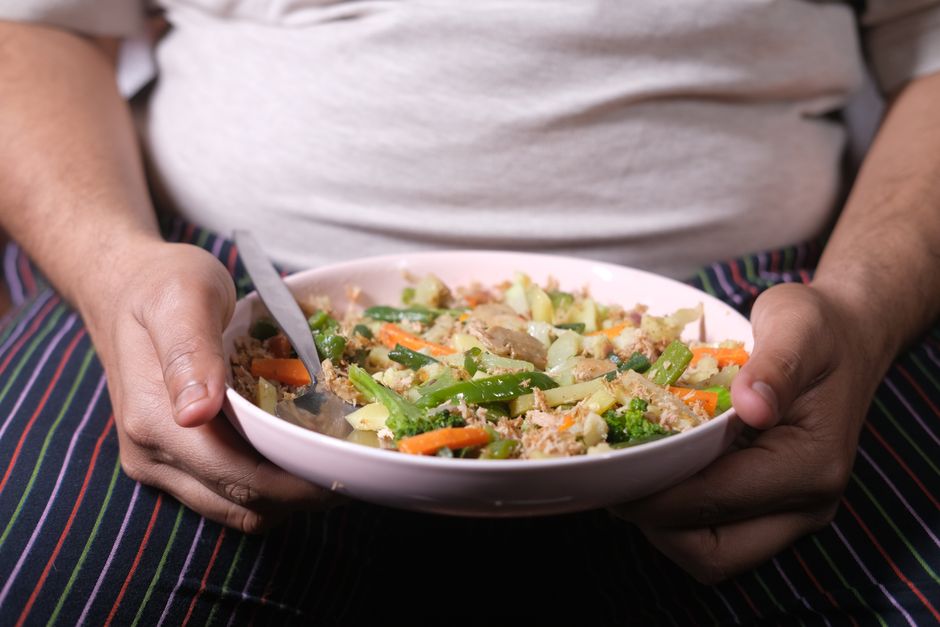
Islam’s dietary rules center on one main idea: eat what is halal (permitted) and avoid what is haram (forbidden). The most well-known restriction is a ban on pork and its byproducts, along with alcohol and any animal that was not slaughtered according to Islamic requirements. These rules come mainly from the Quran and the recorded teachings of the Prophet Muhammad, and they shape daily food choices for roughly two billion Muslims worldwide.
What Are The Dietary Restrictions For Islam?
The core restrictions are pork, alcohol, blood, carrion (animals that died on their own), and meat from animals slaughtered in the name of anything other than God. An animal must also be slaughtered by a swift cut that drains the blood while the name of God is spoken over it. This practice is called zabihah or dhabihah.
Beyond those bans, most foods are permitted by default. Fruits, vegetables, grains, legumes, seafood, and meat from permitted animals slaughtered correctly are all halal. The system is permissive at its base — it lists what to avoid rather than what to allow.
One point that surprises many people: Islam does not require a special blessing to make food holy. The rules are about what the food is and how the animal was treated, not about ritual purification of the meal itself.
Which Foods Are Forbidden (Haram) in Islam?
The forbidden list is short and specific. Pork is the best known, and it includes everything from the animal — meat, fat, gelatin, and lard. Alcohol is also forbidden, both as a drink and as an ingredient. Blood and any animal that died before slaughter are off the table. So is any animal dedicated to a deity other than God.
Some animals are debated among scholars rather than clearly banned. These include predatory animals with fangs, birds of prey, and certain reptiles. The disagreement here is real, and different schools of Islamic law reach different conclusions.
Here is a detail worth knowing: gelatin is often made from pork skin and bones, so it can fall under the pork restriction. This matters for candy, marshmallows, some yogurts, and many capsules for medicine. Many Muslims check labels for this reason.
What Does Halal Actually Mean?
Halal means permitted. It applies to food, but also to finance, clothing, and behavior more broadly. In the context of food, halal describes anything that is not on the forbidden list and, for meat, has been slaughtered correctly.
The slaughter rules are specific. The animal must be alive and healthy at the time of slaughter. A sharp blade is used to cut the throat, windpipe, and blood vessels in the neck in one motion. The blood is drained. The name of God is said over the animal. This is meant to be quick and to minimize suffering.
Some Muslims also look for the word tayyib, which means wholesome or good. It appears alongside halal in the Quran and refers to food that is clean and beneficial, not just technically permitted. In practice, halal certification bodies vary in how much they emphasize this.


Is Halal Meat the Same as Kosher Meat?
Halal and kosher are not the same, though they overlap. Both forbid pork and both require slaughter by a cut that drains blood. Both ban blood as food. But the rules differ in important ways.
Kosher law forbids mixing meat and dairy in the same meal and requires salting to remove blood. Halal law allows dairy with meat and does not require salting. Kosher law also restricts which cuts of beef can be eaten, while halal law does not. And the two systems invoke different blessings and have different certification standards.
Many Muslims accept kosher meat as permissible when halal meat is unavailable, because the slaughter method is similar. This is a common position, though not universal. Some scholars disagree, so individual practice varies.
What About Alcohol and Other Drinks?
Alcohol is forbidden in Islam. The Quran describes intoxicants as something to avoid, and most scholars extend this to any amount, not just enough to cause drunkenness. This covers wine, beer, spirits, and cocktails.
The trickier question is alcohol in small amounts as an ingredient or in extracts. Vanilla extract, for example, is often alcohol-based. Some Muslims avoid it entirely; others accept it because the amount is tiny and the alcohol cooks off. There is no single ruling that all Muslims follow.
Non-alcoholic beer is a gray area. Some brands contain trace alcohol from the brewing process. Whether that counts depends on the scholar and the brand. Checking the label or the certification is the practical approach.
How Do Muslims Handle Dietary Rules in Daily Life?
In majority-Muslim countries, halal food is everywhere and the rules are easy to follow. In the United States and Europe, it takes more effort. Muslims read labels, look for halal certification logos, and ask at restaurants.
Seafood is generally considered halal by most schools of thought, which makes fish and shellfish a reliable option. Vegetarian and vegan meals are almost always halal unless they contain alcohol or non-halal gelatin. This is one reason many Muslims find plant-based eating straightforward.
When halal meat is not available, some Muslims eat vegetarian food instead. Others eat kosher meat. Others eat whatever is available and seek forgiveness. The choice depends on how strictly a person follows the rules and which scholar they trust.
What If No Halal Food Is Available?
Islamic law includes a principle of necessity. If a person would otherwise go hungry or become ill, eating forbidden food is permitted to avoid harm. This is not a loophole for convenience — it applies to genuine need.
Travel, living in a place with no halal options, and medical situations are the common cases. A person who must take a medicine that contains pork gelatin, for example, is generally allowed to do so if no alternative exists. The rule bends to protect health and life.
This principle is why the dietary restrictions, strict as they are, are not meant to be a burden that endangers anyone. The Quran states that God does not intend hardship in religion.
How Can You Tell If Food Is Halal?
Look for a halal certification symbol on the package. These logos are issued by certifying bodies that inspect products and slaughterhouses. They are the most reliable shortcut in countries without widespread halal labeling laws.
Without a logo, read the ingredient list. Watch for gelatin, lard, alcohol, mono- and diglycerides (which can be animal-derived), and natural flavors (which can contain alcohol). These are the ingredients most likely to hide a forbidden source.
At restaurants, ask directly. Meat from a halal-certified supplier is the clearest answer. Otherwise, fish, vegetarian dishes, and dishes without alcohol or pork are the safer choices.
Frequently Asked Questions
Is pork completely forbidden in Islam?
Yes, pork and all pork byproducts are forbidden. This includes gelatin and lard made from pigs.
Can Muslims eat meat that is not halal?
Generally no, but Islamic law permits it in cases of genuine necessity, such as avoiding hunger or harm when no halal option exists. Many Muslims also accept kosher meat as permissible.
Is seafood halal?
Most schools of Islamic law consider seafood halal, including fish and shellfish. This makes it a common choice where halal meat is hard to find.
Do Muslims have to avoid all alcohol in food?
Alcohol as a drink is forbidden, but views differ on small amounts used as ingredients, such as in vanilla extract. Many Muslims avoid it, while others accept it when the amount is minimal.
