
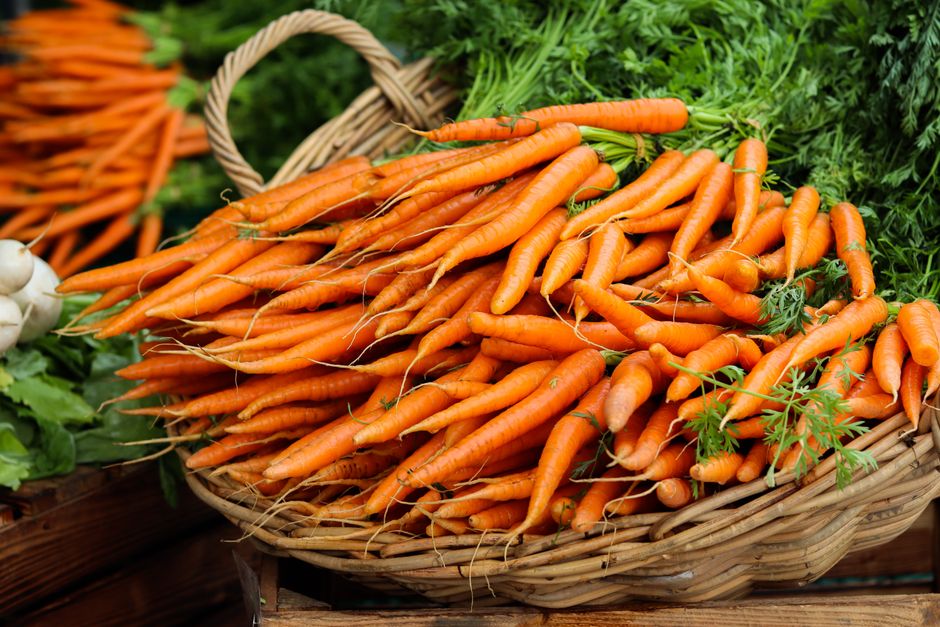
Yes, you can eat carrot greens. The leafy tops of the carrot plant are edible, and people have cooked with them for centuries. They taste grassy, a little bitter, and faintly like parsley or carrot itself. You can use them raw in small amounts or cooked in soups, pestos, and stir-fries.
That said, “edible” and “good for everyone in every amount” are not the same thing. Carrot greens contain compounds that can be harsh on some people’s digestion, and they can pull up certain minerals from the soil the plant grew in. Knowing how to handle them makes a real difference.
Are Carrot Greens Actually Safe to Eat?
Carrot greens are safe to eat for most healthy adults. They are the leaves of Daucus carota, the same plant that produces the orange root. People in many parts of the world have eaten the tops as a vegetable green, not just the root.
The main safety concerns are real but manageable:
- Nitrates. Carrot greens, like spinach and beets, can accumulate nitrates from soil. In normal dietary amounts this is not a concern for healthy adults. It matters more for infants under six months, who are more vulnerable to nitrate-related blood issues. Carrot greens are not appropriate for babies.
- Pesticides. The leafy tops can hold more pesticide residue than the root. If you are not growing them yourself, washing well matters. Organic options reduce this concern.
- Wild vs. store-bought. If you forage wild carrot, you must be certain of identification. Wild carrot looks similar to poison hemlock, which is highly toxic. Store-bought carrot tops do not carry this risk.
For a healthy adult eating carrot greens from a grocery store or garden, the risk is low. The bigger issue for most people is taste and digestion, not toxicity.
Why Do Carrot Greens Taste Bitter?
The bitterness comes from natural plant compounds, including alkaloids and terpenes. These are the plant’s own defense chemicals. The root is sweeter because the plant stores sugar there; the leaves carry more of the bitter, astringent compounds.
Bitterness is not a sign that something is dangerous. Many healthy greens — arugula, radicchio, dandelion — are bitter for the same reason. But it does mean carrot greens need some help in the kitchen. Cooking, blending, and pairing them with fat, salt, or acid all soften the edge.
Young, tender tops from small carrots taste milder. Older, larger tops get tougher and more bitter. If you are new to them, start with the smaller leaves.
What Nutrients Are in Carrot Greens?
Carrot greens are nutrient-dense. They are a good source of several vitamins and minerals, and in some cases they contain more of certain nutrients than the root itself.
Based on standard nutrient data, carrot tops provide:
- Vitamin K. High amounts. This matters for blood clotting and bone health — and it matters for people on blood-thinning medication.
- Vitamin A (as beta-carotene). The greens contain carotenoids, though less than the root in most varieties.
- Vitamin C. Present in meaningful amounts.
- Calcium and potassium. Both are found in the leaves.
- Fiber. The leaves add bulk and fiber to a meal.
One important note: the vitamin K content is high enough that people taking warfarin or similar blood thinners should talk to their doctor before adding carrot greens to their diet regularly. Vitamin K interferes with how these medications work. This is not a reason to avoid them entirely — it is a reason to keep intake steady and tell your clinician.





How Do You Prepare Carrot Greens?
Preparing carrot greens is simple. Wash them thoroughly in cold water, then dry them. Trim off the thick stems, which are the toughest and most bitter part. Use the tender leaves and thin stems.
From there, the cooking methods that work best are the ones that tame bitterness:
- Blanch briefly. A short dip in boiling water softens the leaves and reduces bitterness.
- Sauté. Cook them in oil with garlic, similar to spinach or kale.
- Blend into pesto. Carrot top pesto is one of the most popular uses. The oil and nuts balance the bitterness.
- Add to soup or stock. They work like any other soup green.
- Chop raw into salads. Use small amounts and fine chopping. Raw greens are more bitter and tougher.
A useful tip: carrot greens do not last long. Once separated from the root, they wilt within a few days in the fridge. Store them wrapped in a damp paper towel inside a bag, and use them soon.
Can Carrot Greens Be Bad for You?
For most people, no. But there are a few situations where caution is warranted.
Carrot greens contain compounds called furanocoumarins. These can make skin more sensitive to sunlight in some people, a condition called photosensitivity. This is more associated with handling the plant in large amounts, and the amounts in a normal serving of cooked greens are generally not a concern. Still, people with known plant sensitivities should be aware.
Because carrot greens can accumulate nitrates and heavy metals from soil, greens grown in contaminated soil are a bigger concern than store-bought or home-grown greens in clean soil. This is true of many leafy greens, not just carrot tops.
People with kidney disease, those on blood thinners, and anyone with a history of kidney stones may want to check with a doctor first. Carrot greens contain oxalates, which can contribute to certain kidney stones in susceptible people. This does not mean they cause stones in everyone — it means some people should be more careful.
If you have never eaten them, start with a small amount. Some people find them hard to digest and get gas or stomach discomfort. That is a personal tolerance issue, not a sign of danger.
Are Carrot Greens Healthier Than the Carrot?
Neither is clearly “healthier” — they offer different things. The root is higher in sugar and beta-carotene. The greens are higher in vitamin K and some minerals, and lower in calories.
Some marketing claims suggest carrot greens are a superfood that detoxifies the body or prevents disease. No clinical evidence confirms those claims. Carrot greens are a nutritious vegetable green, similar in value to other leafy greens. That is a solid reason to eat them. It is not a reason to expect them to do anything dramatic.
If you already eat a variety of vegetables, carrot greens are a good addition and a way to use more of the plant. If you are looking for a specific health outcome, no single green delivers it.
Frequently Asked Questions
Can you eat carrot greens raw?
Yes, you can eat them raw, but they are tougher and more bitter than cooked greens. Start with small amounts and chop them finely.
Are carrot greens poisonous?
Carrot greens from store-bought or garden carrots are not poisonous to humans. The danger is only with wild plants that look similar, such as poison hemlock, which is highly toxic.
Do carrot greens have more nutrients than carrots?
They have more of some nutrients, like vitamin K and certain minerals, and less of others, like beta-carotene. Neither is clearly better overall.
Who should not eat carrot greens?
People on blood-thinning medication, those with kidney disease, and infants should avoid them or check with a doctor first. For most healthy adults, they are safe in normal food amounts.
