
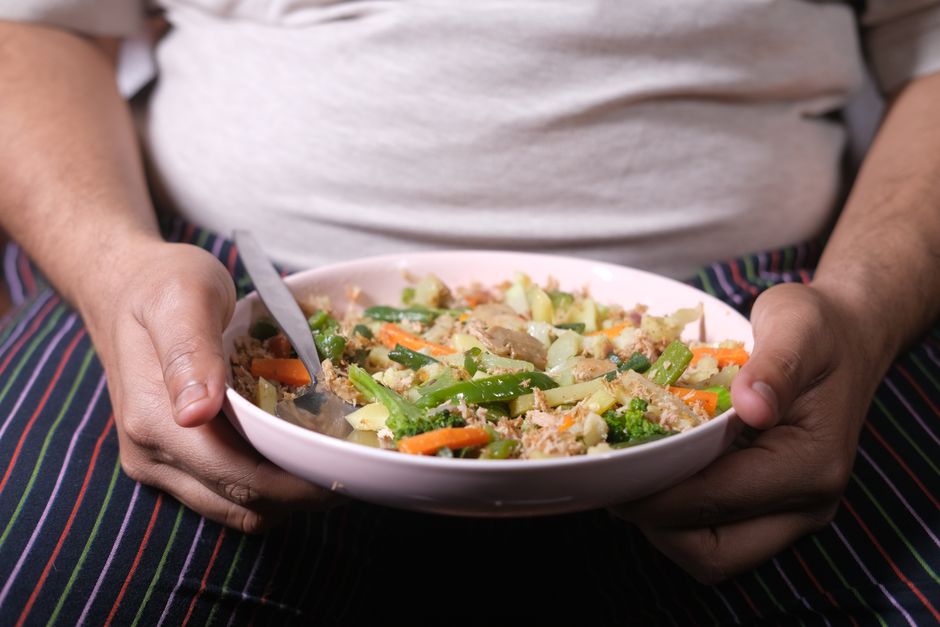
Nausea and a loss of appetite often arrive together, and the combination can make eating feel like a chore. When your stomach is unsettled and food holds no appeal, the goal is not to force down a full meal. The goal is to give your body small amounts of easily tolerated fuel to keep your blood sugar stable and prevent the nausea from getting worse. Start with plain, bland, low-fat foods like saltine crackers, dry toast, or clear broth. Eat slowly, take tiny bites, and let your stomach guide how much you consume.
Why Does Nausea Kill Your Appetite?
Nausea is a complex sensation controlled by multiple parts of the brain and digestive system. The brainstem, the vagus nerve, and the gastrointestinal tract all send signals that can trigger the feeling of wanting to vomit. When these signals are active, the body shifts into a protective mode. Digestion slows down, stomach emptying is delayed, and the brain actively suppresses hunger signals.
This is a protective response. The body assumes something harmful was ingested and wants to limit further intake. Ghrelin, the hormone that stimulates hunger, is often suppressed during nausea. At the same time, the digestive tract becomes more sensitive to movement and distension, which makes the thought of a heavy meal deeply unappealing.
Understanding this mechanism matters because it changes your approach. You are not being difficult or weak-willed. Your body is literally telling you to stop eating. The trick is to work with that signal, not against it, by offering foods that are gentle enough to bypass the resistance.
What To Eat When Nauseous And Have No Appetite
The best foods for nausea share common traits. They are bland, low in fat, low in fiber, and easy to digest. They do not have strong smells, which is important because the sense of smell is tightly linked to nausea triggers. They also provide some salt and carbohydrates, which help replace electrolytes and stabilize blood sugar.
Here are the foods most consistently recommended for nausea:
- Saltine crackers — plain, dry, and easy to nibble. The salt helps replace sodium lost through sweating or vomiting.
- Dry toast or plain bread — choose white bread over whole wheat. The lower fiber content is easier on the stomach.
- White rice or plain pasta — bland carbohydrates that settle well and provide energy.
- Bananas — soft, easy to swallow, and rich in potassium, which is often depleted when you are sick.
- Applesauce — smooth, mild, and provides simple sugars for quick energy.
- Clear broths — chicken, vegetable, or bone broth. They provide fluids and electrolytes without requiring much digestion.
- Plain boiled potatoes — no butter, no salt beyond a pinch. They are filling without being heavy.
- Ginger tea or flat ginger ale — ginger has the most consistent evidence for reducing nausea of any food or drink studied.
Eat these foods in very small portions. A single cracker every ten minutes is a reasonable pace. Drinking fluids separately from food also helps. Sipping water or broth between bites rather than with them can reduce the feeling of fullness that triggers nausea.
Foods To Avoid When Your Stomach Is Upset
Certain foods are more likely to worsen nausea or trigger vomiting. Avoiding them is as important as choosing the right foods. The main culprits are foods that are hard to digest or that stimulate the stomach lining.
High-fat foods are the biggest problem. Fried foods, fatty meats, creamy sauces, and full-fat dairy slow stomach emptying significantly. A slow-emptying stomach is a direct trigger for nausea. This is why a greasy burger is the worst possible choice when you feel sick.
Spicy foods irritate the stomach lining and can increase acid production. Chili peppers, hot sauce, and heavily spiced dishes should be avoided until symptoms resolve.
High-fiber foods like raw vegetables, beans, and bran cereals are difficult to digest and can cause gas and bloating. Gas in the digestive tract puts pressure on the stomach and can intensify nausea.
Strong-smelling foods are problematic even if they are otherwise healthy. Garlic, onions, fish, and strong cheeses have volatile compounds that can trigger the nausea reflex before the food even reaches your mouth.
Acidic foods like citrus fruits, tomatoes, and vinegar-based dressings can irritate an already sensitive stomach lining. Acid reflux and nausea often overlap, and acidic foods make both worse.
Caffeine and alcohol both stimulate acid production and can dehydrate the body. Coffee on an empty stomach is especially problematic when you feel nauseous.




What To Drink When You Feel Nauseous
Staying hydrated is often more important than eating when you feel nauseous. Dehydration makes nausea worse, and nausea makes it harder to drink enough fluids. This can become a cycle that is difficult to break.
Water is the baseline, but it is not always the best choice. Plain water can sometimes feel heavy on an unsettled stomach. Small, frequent sips are better than large gulps. Room-temperature fluids are usually better tolerated than ice-cold ones.
Clear liquids are the safest options:
- Water — sipped slowly throughout the day.
- Clear broth — provides sodium and fluids together.
- Ginger tea — made from fresh ginger steeped in hot water, or a commercial ginger tea bag. Ginger has the strongest evidence base for nausea relief of any natural remedy.
- Oral rehydration solutions — products like Pedialyte or generic electrolyte drinks. They contain a precise balance of glucose and electrolytes that helps the intestines absorb water more efficiently than plain water alone.
- Diluted fruit juice — apple or white grape juice mixed with water. Full-strength juice is high in sugar, which can draw water into the intestines and worsen diarrhea if that is part of the picture.
Sipping a rehydration solution is the closest thing to a specific clinical recommendation for nausea with vomiting. These products are formulated to replace what the body loses and are widely used in medical settings.
When Nausea Lasts More Than A Few Days
Short-term nausea from a stomach bug, food poisoning, or pregnancy usually resolves within 24 to 72 hours. If nausea persists beyond that window, it is worth investigating the underlying cause. Chronic nausea can be a symptom of conditions like gastritis, gastroesophageal reflux disease, gallbladder disease, migraines, or medication side effects.
Certain medications are well known for causing nausea. Antibiotics, pain relievers, and some blood pressure medications are common offenders. If you started a new medication and nausea developed, talk to your prescriber. Do not stop taking a prescribed medication without medical guidance.
Pregnancy-related nausea, often called morning sickness, can last well beyond the first trimester. The same bland-food principles apply, but pregnant women should avoid ginger supplements in high doses. Culinary amounts of ginger in tea or food are generally considered safe, but concentrated extracts have not been studied enough to confirm safety during pregnancy.
When To See A Doctor
Most nausea resolves on its own or with simple dietary adjustments. Some situations require medical attention. Seek care if you experience any of the following:
- Nausea lasting more than 48 hours without improvement
- Inability to keep any fluids down for more than 12 hours
- Signs of severe dehydration — dark urine, dizziness when standing, dry mouth, or significantly reduced urination
- Blood in vomit or vomit that looks like coffee grounds
- Severe abdominal pain that is not relieved by vomiting
- Fever above 101°F (38.3°C)
- Stiff neck, severe headache, or sensitivity to light along with nausea
- Nausea after a head injury
These symptoms can indicate conditions that require prompt medical evaluation. Dehydration is the most common complication of prolonged nausea and is entirely preventable with early intervention. Oral rehydration solutions are the first-line approach for mild dehydration. If you cannot keep those down, intravenous fluids may be necessary.
Frequently Asked Questions
What should I eat first when I feel nauseous?
Start with one or two saltine crackers or a small piece of dry toast. Wait ten minutes and see how your stomach responds before eating anything else.
Is ginger actually effective for nausea?
Yes, ginger has the strongest evidence of any food for reducing nausea. Research consistently shows it can help with pregnancy-related nausea, motion sickness, and post-surgical nausea, though the exact effective dose varies by study.
How long should I wait after vomiting before eating?
Wait at least 30 to 60 minutes after your last episode of vomiting. Start with small sips of clear liquid, then progress to bland foods if the fluids stay down.
Can dehydration make nausea worse?
Yes, dehydration directly worsens nausea and can create a cycle where you feel too sick to drink, which makes the nausea worse. Sip fluids slowly and frequently rather than drinking large amounts at once.
