
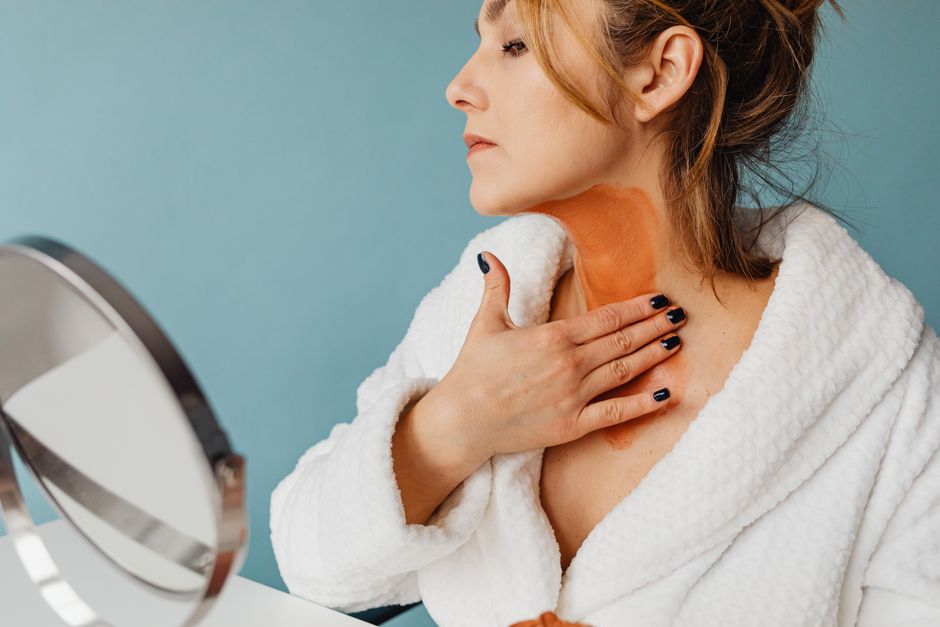
Hypothyroidism slows your metabolism, drains your energy, and makes weight management feel impossible. The most effective way to combat it is a three-part approach: consistent thyroid medication as prescribed, a nutrient-focused diet that supports thyroid function, and regular exercise that matches your current energy levels. No single pill, diet, or workout routine can replace the others.
What Is the First Step in Treating Hypothyroidism?
Medication is the foundation of hypothyroidism treatment. The standard therapy is levothyroxine, a synthetic version of the thyroid hormone T4. Your doctor adjusts the dose based on your blood work, specifically your TSH levels. The American Thyroid Association recommends keeping TSH between 0.5 and 2.5 mIU/L for most adults on treatment.
Timing matters more than most people realize. Levothyroxine absorbs best on an empty stomach, at least 30 to 60 minutes before food or coffee. Taking it with calcium supplements, iron, or fiber can cut absorption by 20 to 40 percent. Some people report feeling better on a combination of T4 and T3 medications, though research published in the Journal of Clinical Endocrinology & Metabolism found that most patients do just fine on T4 alone.
Do not adjust your own dose. Changing medication without blood work can push you into hyperthyroidism, which carries its own risks like heart palpitations and bone loss. Work with your doctor every six to twelve months to confirm your dose is still right.
How Does Diet Affect Hypothyroidism?
Diet cannot cure hypothyroidism, but it can support or interfere with your medication and overall health. The key nutrients for thyroid function are iodine, selenium, zinc, and tyrosine. Most people in the United States get enough iodine from iodized salt, so supplementation is rarely needed and can actually be harmful.
Selenium is a different story. Your thyroid contains the highest concentration of selenium in your body. Brazil nuts are the richest food source — just one nut provides more than the daily requirement. A study in Thyroid journal found that selenium supplementation reduced thyroid antibodies in people with Hashimoto’s thyroiditis, the autoimmune form of hypothyroidism. Eat two to three Brazil nuts per day, not a whole bag.
Zinc and vitamin D also play supporting roles. Low zinc levels are linked to lower T3 levels, and vitamin D deficiency is common in people with autoimmune thyroid disease. A simple blood test can tell you if you are low in either. Food sources of zinc include oysters, beef, and pumpkin seeds. Vitamin D comes from sunlight, fatty fish, and fortified dairy.
One thing to watch carefully: high-fiber foods. Fiber is healthy, but very high fiber intake can reduce levothyroxine absorption. The solution is not to avoid fiber — it is to take your medication at a consistent time well before your first high-fiber meal.
How To Combat Hypothyroidism Treatment Diet And Exercise Together
The three components work as a system. Medication brings your thyroid levels into a normal range. Diet provides the raw materials your body needs to use those hormones effectively. Exercise helps your cells respond to thyroid hormone and improves your metabolism.
Think of it as a tripod. If one leg is weak, the whole structure wobbles. Skipping medication makes diet and exercise far less effective. Eating poorly can reduce how well your medication works. Not exercising leaves your metabolism slower than it could be even with optimal thyroid levels.
Practical example: A woman on the correct dose of levothyroxine who eats a balanced diet with adequate selenium and zinc will still have a slightly lower metabolic rate than someone with a healthy thyroid. Adding strength training two to three times per week can close that gap significantly by building muscle, which burns more calories at rest than fat does.
The order matters too. Start with medication. Once your levels are stable, focus on diet. Add exercise gradually. Trying to do everything at once is overwhelming and rarely sustainable.



What Type of Exercise Works Best for Hypothyroidism?
Low-impact aerobic exercise and resistance training are the most evidence-backed choices for people with hypothyroidism. Walking, swimming, cycling, and elliptical machines are gentle on joints and do not spike cortisol excessively. High-intensity interval training can be effective but may need to be introduced slowly.
Strength training deserves special attention. Muscle tissue is metabolically active, meaning it burns calories even when you are sitting still. Hypothyroidism tends to reduce muscle mass over time. Resistance training reverses that trend. A 2018 study in Journal of Thyroid Research found that women with hypothyroidism who did strength training twice weekly for eight weeks improved their resting metabolic rate by an average of 5 percent.
Start with bodyweight exercises like squats, lunges, and pushups. Add light weights or resistance bands once those feel manageable. Aim for two to three sessions per week, with at least one rest day between them. Overtraining can raise cortisol and worsen fatigue, which is the opposite of what you want.
Yoga and stretching are also valuable. Many people with hypothyroidism report joint stiffness and muscle aches. Gentle movement improves flexibility and reduces perceived pain. A 2020 review in Complementary Therapies in Medicine found that yoga significantly improved quality of life scores in women with hypothyroidism.
What Foods Should You Avoid With Hypothyroidism?
Certain foods can interfere with thyroid function or medication absorption. The most commonly discussed are goitrogens — compounds found in raw cruciferous vegetables like broccoli, kale, and cabbage that can suppress thyroid function in large amounts. The key word is “raw” and “large amounts.”
Cooking cruciferous vegetables deactivates most goitrogenic compounds. Eating a serving of cooked broccoli with dinner is not a problem. Drinking three raw kale smoothies per day might be. If you have a known iodine deficiency, which is rare in the US, goitrogens become more of a concern. For most people on thyroid medication, moderate intake of cooked cruciferous vegetables is perfectly safe and healthy.
| Food | Concern | Practical Advice |
|---|---|---|
| Raw cruciferous vegetables | Goitrogens can reduce thyroid function | Cook them thoroughly; limit raw intake |
| Soy products | May interfere with levothyroxine absorption | Take medication 4 hours apart from soy |
| High-fiber foods | Reduce medication absorption | Take meds 60 minutes before fiber |
| Walnuts | Can interfere with absorption | Separate from medication by 3-4 hours |
| Calcium and iron supplements | Block absorption of levothyroxine | Take at least 4 hours apart |
Soy is another food that gets a bad reputation in thyroid circles. Moderate soy intake — one serving of tofu or edamame per day — does not cause problems in people with adequate iodine intake. The issue is timing. Soy can reduce levothyroxine absorption if taken at the same time. Space them four hours apart and you are fine.
Processed foods and excess sugar are not directly toxic to the thyroid, but they promote inflammation and weight gain. People with hypothyroidism already struggle with a slower metabolism. Adding empty calories makes weight management harder. No special thyroid diet is needed — just a standard healthy diet with attention to timing around medication.
Common Misconceptions About Hypothyroidism Treatment
The internet is full of claims that hypothyroidism can be reversed with special diets, supplements, or detoxes. None of that is supported by evidence. Hashimoto’s thyroiditis, the most common cause of hypothyroidism, is an autoimmune condition where your immune system attacks your thyroid. No diet has been shown to stop that attack permanently.
Some people report feeling better after going gluten-free. The evidence here is mixed. A small study in Experimental and Clinical Endocrinology & Diabetes found that some women with Hashimoto’s had reduced antibody levels after six months on a gluten-free diet. But the effect was modest, and not everyone benefited. If you have celiac disease, which is more common in people with Hashimoto’s, a gluten-free diet is essential. For others, it is optional and worth trying only if you have digestive symptoms.
Another persistent myth is that iodine supplements cure hypothyroidism. Iodine deficiency is rare in the US. Taking extra iodine when you do not need it can actually worsen Hashimoto’s by triggering inflammation. The National Institutes of Health warns that iodine supplements above 1,100 micrograms per day can cause thyroid dysfunction. Do not take iodine supplements unless a doctor confirms you are deficient.
Detox teas, cleanses, and thyroid “support” supplements are a waste of money. Your liver and kidneys already detox your body. No tea or powder has been shown to improve thyroid function in people on proper medication. Spend your money on quality food and a gym membership instead.
How Long Does It Take to See Results?
Medication effects are not instant. Levothyroxine has a half-life of about seven days, meaning it takes four to six weeks to reach a steady level in your blood. Most people start feeling better within two to three weeks, but full benefits take six to eight weeks. Do not expect to feel normal after a few days.
Diet changes show effects on a similar timeline. Adjusting selenium, zinc, and vitamin D levels can take several weeks to improve blood levels. Energy improvements from better nutrition are gradual, not overnight. Patients often report that fatigue lifts slowly over the first two months of combined treatment.
Exercise results take the longest. Building noticeable muscle takes eight to twelve weeks of consistent strength training. Metabolic rate improvements follow the same timeline. Weight loss, if that is a goal, typically happens at a rate of one to two pounds per week when diet and exercise are combined. People with hypothyroidism may lose weight slightly slower than people without it, but the difference is small when medication is optimized.
Patience is not just a virtue here — it is a requirement. People who stick with the three-part approach for three to six months consistently report better energy, easier weight management, and fewer symptoms than those who try quick fixes.
Frequently Asked Questions
Can I treat hypothyroidism without medication?
No. Diet and exercise support thyroid health but cannot replace the thyroid hormone your body is not making. Medication is the only proven treatment for clinical hypothyroidism.
What is the best diet for hypothyroidism?
A balanced diet rich in selenium, zinc, and vitamin D works best. Focus on Brazil nuts, lean protein, vegetables, and whole grains while timing high-fiber foods away from medication.
Can exercise make hypothyroidism worse?
No, but overtraining can increase fatigue and cortisol levels. Start with low-impact aerobic exercise and light strength training, then increase intensity gradually as your energy improves.
How long after starting medication will I feel better?
Most people notice some improvement within two to three weeks, but full benefits take six to eight weeks as levothyroxine reaches a steady level in your blood.
