
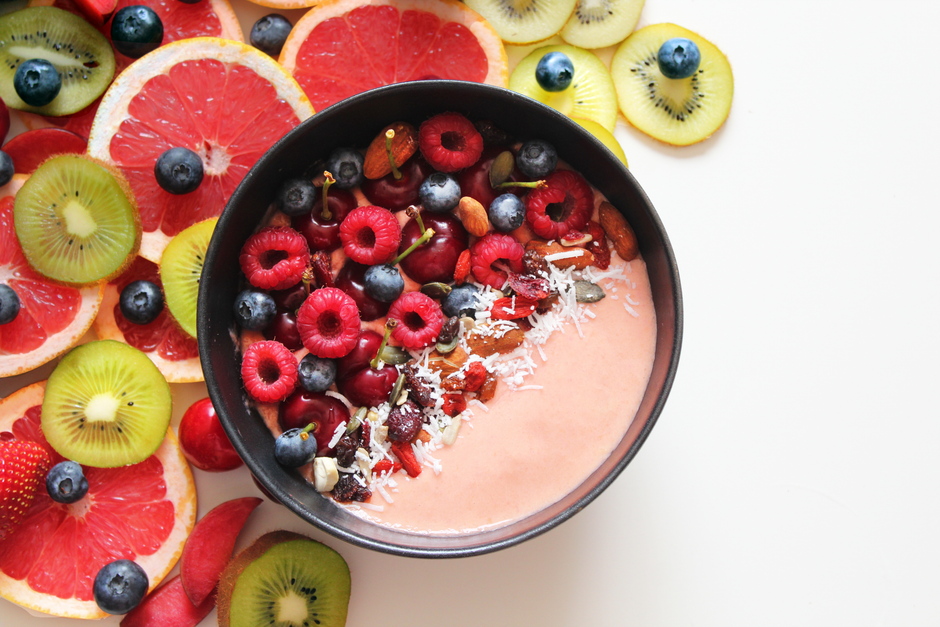
If you want to get the most nutrition from every bite of fruit, you need to know which ones actually deliver. Not all fruits are equal. Some are mostly sugar and water. Others are packed with vitamins, minerals, and antioxidants. The most nutrient dense fruits are the ones that give you the highest amount of nutrients per calorie. These include berries, citrus fruits, kiwi, papaya, and guava. They beat out fruits like bananas and grapes when it comes to vitamins and protective plant compounds per serving.
What Makes a Fruit Nutrient Dense?
Nutrient density means the amount of beneficial nutrients relative to the calories. A fruit that is high in vitamins, minerals, fiber, and antioxidants but low in calories is more nutrient dense than one that is high in sugar with fewer nutrients.
The USDA and the Centers for Disease Control and Prevention have ranked foods by nutrient density. Their scoring system looks at nine nutrients: potassium, fiber, protein, calcium, iron, thiamin, riboflavin, niacin, folate, and vitamins A, B6, B12, C, D, E, and K. Fruits that score high in these nutrients per 100 calories are considered the most nutrient dense.
Water content matters too. Fruits with high water content like watermelon and cantaloupe are hydrating but dilute the nutrient concentration. That does not make them bad. It just means you need to eat more volume to get the same nutrients as a small handful of berries.
Which Fruits Rank Highest for Nutrient Density?
Research published by the CDC found that the top nutrient dense fruits include watercress, Chinese cabbage, chard, beet greens, and spinach. But those are vegetables. Among fruits, the leaders are different. The CDC’s list of “powerhouse” fruits and vegetables ranked lemons, strawberries, oranges, limes, and pink and red grapefruit as the top fruits.
Here is a comparison of some of the most nutrient dense fruits based on their nutrient profile per 100 calories:
| Fruit | Key Nutrients | Nutrient Density Score (CDC scale) |
|---|---|---|
| Lemon | Vitamin C, potassium, folate, flavonoids | High |
| Strawberry | Vitamin C, manganese, folate, ellagic acid | High |
| Orange | Vitamin C, folate, potassium, thiamin | High |
| Pink Grapefruit | Vitamin C, lycopene, potassium, fiber | High |
| Kiwi | Vitamin C, vitamin K, vitamin E, potassium | High |
| Papaya | Vitamin C, vitamin A, folate, papain enzyme | Moderate-High |
| Guava | Vitamin C, lycopene, potassium, fiber | High |
Notice that bananas and apples are not on this top list. They are still healthy. But they have more sugar and fewer nutrients per calorie than the fruits above. That does not mean avoid them. It means if you are choosing between a banana and a handful of strawberries for a snack, the strawberries give you more nutrition for the same calories.
What About Berries Specifically?
Berries are a standout category. Blueberries, strawberries, raspberries, and blackberries are all high in antioxidants called anthocyanins. These compounds give berries their color and have been linked to lower inflammation and better brain function.
A study in the journal Annals of Neurology found that women who ate more berries had slower cognitive decline over time. The effect was modest but consistent. The key compounds in berries, particularly flavonoids, appear to protect neurons from oxidative stress.
Berries are also low on the glycemic index. They do not spike blood sugar the way tropical fruits like pineapple or mango can. For people managing blood sugar or insulin resistance, berries are one of the safest fruit choices. One cup of strawberries has about 50 calories and more vitamin C than an orange.
Frozen berries retain most of their nutrients. Studies show that freezing does not significantly reduce the antioxidant content. So buying frozen berries out of season is a smart move. They are often cheaper and just as nutritious as fresh.




How Does Tropical Fruit Compare?
Tropical fruits like mango, pineapple, and papaya get a bad reputation for being high in sugar. But that is an oversimplification. Papaya, for example, is rich in vitamin C, vitamin A, and an enzyme called papain that aids digestion. One cup of papaya has about 60 calories and provides more than 100 percent of your daily vitamin C needs.
Guava is even more impressive. One guava fruit has about 50 calories and delivers four times the vitamin C of an orange. It is also high in lycopene, the same antioxidant found in tomatoes that is linked to heart health and reduced cancer risk. Guava is not as common in US grocery stores, but it is worth seeking out in Latin markets or specialty stores.
Kiwi is another tropical fruit that ranks high. One medium kiwi has about 42 calories and provides more vitamin C than an orange. It also contains vitamin K, vitamin E, and potassium. Some studies suggest that eating kiwi regularly can improve sleep quality due to its serotonin content. The evidence is preliminary but interesting.
Mango and pineapple are less nutrient dense than papaya or guava. They have more sugar per serving and fewer vitamins per calorie. That does not make them unhealthy. It just means they are not the top choice if your goal is maximum nutrients per calorie. Eat them in moderation as part of a balanced diet.
What Are The Most Nutrient Dense Fruits To Eat for Specific Health Goals?
If you have a specific health goal, certain fruits become more valuable than others. For heart health, the American Heart Association recommends berries, citrus, and grapes. The flavonoids in berries and the potassium in citrus both support healthy blood pressure and artery function.
For blood sugar control, berries and citrus are the best options. They have a low glycemic load. One study in the British Medical Journal found that higher fruit intake, especially berries, was linked to a lower risk of type 2 diabetes. Fruit juice, on the other hand, was linked to higher risk. Whole fruit matters.
For immune support, kiwi, papaya, and guava are hard to beat. They provide high doses of vitamin C along with other immune-supporting nutrients like folate and vitamin E. One kiwi a day may be enough to meet your vitamin C needs.
For digestive health, papaya and kiwi both contain enzymes that help break down protein. Papaya has papain. Kiwi has actinidin. These enzymes can help with bloating and digestion after meals. The fiber in berries and apples also supports gut health by feeding beneficial bacteria.
For skin health, vitamin C is critical for collagen production. Citrus fruits, kiwi, and strawberries all provide high amounts. Lycopene in guava and pink grapefruit may also protect skin from UV damage. The evidence is strongest for lycopene from tomatoes, but guava is a close second.
What to Avoid When Choosing Nutrient Dense Fruits
Do not fall for the idea that dried fruit is just as good as fresh. Dried fruit is concentrated in sugar and calories. A cup of grapes has about 60 calories. A cup of raisins, which are dried grapes, has about 400 calories. The nutrients are concentrated too, but so is the sugar. Dried fruit can be part of a healthy diet in small amounts, but it is not nutrient dense in the same way fresh fruit is.
Fruit juice is another trap. Even 100 percent fruit juice lacks the fiber of whole fruit. Fiber slows down sugar absorption and helps you feel full. Without it, juice spikes blood sugar quickly. The American Academy of Pediatrics recommends limiting juice to small amounts for children. Adults should treat juice as a treat, not a substitute for whole fruit.
Fruit canned in syrup is a poor choice. The syrup adds sugar without any nutritional benefit. If you buy canned fruit, look for “packed in water” or “packed in its own juice.” Drain and rinse it before eating to remove excess sugar.
Some people worry about fruit sugar in general. This is overblown for most people. Whole fruit comes with fiber, water, and nutrients that blunt the blood sugar response. The sugar in fruit is not the same as added sugar in soda or candy. Unless you have a specific medical condition like fructose malabsorption, whole fruit is beneficial.
Common Misconceptions About Nutrient Dense Fruits
One common myth is that organic fruit is always more nutrient dense. The research does not support this. A large review in the Annals of Internal Medicine found no consistent difference in vitamin and mineral content between organic and conventional produce. Organic fruit may have fewer pesticide residues, which is a valid concern for some people. But if you are choosing between conventional berries and no berries, conventional berries win.
Another myth is that exotic fruits like acai or goji berries are dramatically better than common fruits. These “superfoods” are often marketed with claims that outpace the evidence. Acai berries are high in antioxidants, but so are blueberries. Goji berries contain some unique compounds, but the evidence for their health benefits is mostly from small, low-quality studies. You do not need expensive imported berries to get good nutrition. Strawberries, blueberries, and blackberries are excellent and affordable.
The idea that fruit should be avoided because of sugar is also a misconception. The CDC and the Dietary Guidelines for Americans recommend eating 1.5 to 2 cups of fruit per day for most adults. The evidence clearly shows that whole fruit intake is associated with lower risk of heart disease, stroke, and some cancers. The problem is not fruit. It is the lack of fruit in most American diets.
Frequently Asked Questions
What is the single most nutrient dense fruit?
Guava is one of the top contenders due to its high vitamin C, lycopene, and fiber content with relatively low calories.
Are bananas nutrient dense?
Bananas are nutritious but not among the most nutrient dense fruits because they have more sugar and fewer vitamins per calorie than berries or citrus.
Can I get enough nutrients from fruit alone?
No single food group provides all essential nutrients, but fruit is an important part of a balanced diet that includes vegetables, protein, and whole grains.
Is frozen fruit as nutrient dense as fresh?
Yes, frozen fruit retains most of its vitamins and antioxidants, and is often picked at peak ripeness when nutrient levels are highest.
