
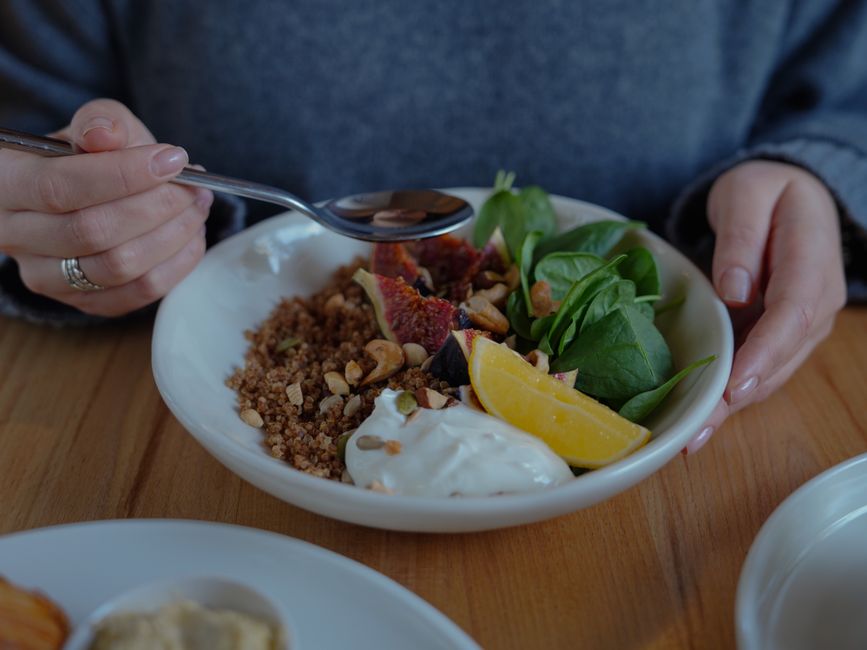
Your morning meal can set the tone for your entire day’s blood sugar levels. Eating a breakfast that balances protein, healthy fats, and fiber helps prevent the mid-morning spike and crash that many people experience. The most effective breakfasts for lower blood sugar focus on whole foods that digest slowly, keeping glucose from rising too fast or too high.
Why Does Breakfast Matter For Blood Sugar Control?
Your body processes food differently in the morning. After an overnight fast, your liver has been releasing stored glucose to keep your brain and muscles working. When you eat breakfast, your body releases insulin to handle that incoming food plus the glucose your liver is still releasing.
Research published in the American Journal of Clinical Nutrition found that skipping breakfast leads to higher blood sugar spikes after lunch and dinner. The study showed that people who ate breakfast had better overall blood sugar control throughout the day compared to those who skipped it.
Eating breakfast also helps with something called the “second meal effect.” This means what you eat in the morning affects how your body handles the next meal. A breakfast that stabilizes blood sugar makes your lunchtime glucose response better too.
What To Eat For Breakfast To Lower Blood Sugar
The ideal breakfast for blood sugar control follows a simple formula. You need protein, fiber, and healthy fat in every meal. Carbohydrates should come from whole food sources with their natural fiber intact, not from processed grains or added sugars.
Eggs are one of the strongest choices. A study in the journal Nutrients found that eating eggs for breakfast led to lower blood sugar levels for the rest of the day compared to a bagel breakfast with the same calories. The protein and fat in eggs slow digestion and prevent rapid glucose absorption.
Greek yogurt with berries works well for people who want a lighter option. The protein in Greek yogurt is higher than regular yogurt, and berries add fiber and antioxidants without much sugar. Avoid flavored yogurts which often have added sugar equal to a candy bar.
Oatmeal can work but only if you make it correctly. Steel-cut oats or rolled oats with no added sugar, topped with nuts, seeds, and berries, provide slow-digesting carbohydrates. Instant oatmeal packets are a different food entirely — they spike blood sugar nearly as fast as white bread.
What Does Research Say About Protein and Fat At Breakfast?
Multiple studies confirm that higher protein breakfasts improve blood sugar control. A 2020 study in the Journal of Nutrition showed that a 30-gram protein breakfast reduced post-meal blood sugar by 20% compared to a 15-gram protein breakfast in people with type 2 diabetes.
Healthy fats also play a role. Avocado, nuts, seeds, and olive oil slow stomach emptying. This means glucose enters your bloodstream gradually instead of all at once. The combination of protein and fat is more effective than either alone.
One surprising finding from research at the University of Missouri is that protein from whole foods works better than protein shakes for blood sugar control. Whole food protein triggers different hormone responses that improve satiety and glucose regulation. A breakfast of eggs and vegetables outperformed a protein shake with identical macros.



What Breakfast Foods Should You Avoid?
Cereal is one of the worst breakfast choices for blood sugar control. Even “healthy” cereals labeled as whole grain or high fiber often contain enough sugar to spike glucose quickly. The processing of cereal grains makes them digest rapidly regardless of what the box claims.
Fruit juice is essentially sugar water without the fiber of whole fruit. A glass of orange juice can contain 20-30 grams of sugar and raises blood sugar as fast as soda. Whole fruit is fine because the fiber slows absorption.
White bread, bagels, muffins, and pastries all fall into the same category. They are refined carbohydrates that turn into glucose quickly. A bagel can spike blood sugar higher than a donut because of the sheer amount of carbs in a single serving.
Granola bars and breakfast bars are marketed as healthy but most are candy bars with better advertising. Check the sugar content. If it has more than 5 grams of sugar per serving, it is not helping your blood sugar.
What Are Practical Breakfast Combinations That Work?
Here are breakfast combinations that research supports for blood sugar control:
- Two eggs scrambled with spinach and mushrooms, half an avocado, and a handful of berries
- Greek yogurt with walnuts, chia seeds, and a small portion of berries
- Steel-cut oats with almond butter, flaxseed, and cinnamon
- Smoked salmon on a slice of whole-grain toast with avocado
- A vegetable omelet with cheese and a side of black beans
The key is that each of these meals contains at least 20 grams of protein, 10 grams of fiber, and a source of healthy fat. This combination reliably slows glucose absorption.
Does Meal Timing Matter For Breakfast Blood Sugar?
When you eat breakfast matters almost as much as what you eat. Research in the journal Diabetes Care found that eating breakfast before 8:30 AM was associated with lower blood sugar levels and better insulin sensitivity compared to eating later.
The reason involves your body’s natural circadian rhythms. Your insulin sensitivity is highest in the morning and decreases throughout the day. Eating earlier takes advantage of your body’s better ability to handle carbohydrates at that time.
Eating breakfast too late can also mean you eat lunch later, which delays your next meal and can lead to overeating. A consistent eating schedule helps your body regulate glucose more effectively than random meal times.
What About Coffee With Breakfast?
Black coffee before breakfast can temporarily raise blood sugar. The caffeine triggers a stress hormone response that tells your liver to release stored glucose. For most people this effect is small and temporary, but for people with diabetes it can be noticeable.
Adding cream or milk to coffee provides some fat and protein that can blunt this effect. Adding sugar or flavored syrups defeats the purpose entirely. A study in the Journal of Clinical Nutrition found that adding 30 grams of protein to coffee reduced the blood sugar spike from caffeine by 40%.
The best approach is to eat your breakfast first and then have coffee, or add protein to your coffee. Bulletproof coffee with collagen protein is one option that some people find helpful, though the evidence is mostly anecdotal.
| Breakfast Type | Protein (g) | Fiber (g) | Blood Sugar Effect |
|---|---|---|---|
| Eggs with vegetables and avocado | 25 | 12 | Stable for 4+ hours |
| Greek yogurt with berries and nuts | 20 | 8 | Stable for 3-4 hours |
| Steel-cut oats with nut butter | 15 | 10 | Moderate rise, gradual decline |
| Cereal with milk | 8 | 2 | Sharp spike, rapid crash |
| Bagel with cream cheese | 10 | 1 | Large spike, fast drop |
What Are Common Mistakes People Make With Breakfast?
One common mistake is relying on “diabetes-friendly” packaged foods. Many of these products contain sugar alcohols or artificial sweeteners that still trigger insulin responses in some people. Whole foods are always a safer choice than packaged foods with health claims.
Another mistake is eating too many carbohydrates even from good sources. A large bowl of oatmeal with fruit can contain 60-80 grams of carbs. That is too much for one meal for many people trying to control blood sugar. Portion sizes matter even with healthy foods.
Some people skip the fat and protein because they are watching calories. This backfires because the meal digests quickly and blood sugar spikes. A 400-calorie breakfast with balanced macros works better than a 250-calorie breakfast of carbs alone.
Frequently Asked Questions
Can I eat fruit for breakfast if I have high blood sugar?
Yes, but choose lower-sugar fruits like berries, apples, or pears and pair them with protein or fat. Avoid bananas, grapes, and tropical fruits in large amounts.
Is oatmeal bad for blood sugar?
Steel-cut or rolled oats without added sugar are fine in moderation. Instant oatmeal causes blood sugar spikes similar to white bread. Always add protein and fat like nuts or seeds.
How many eggs can I eat per day?
Most research shows that 1-3 eggs per day is safe for people without existing heart disease. The cholesterol in eggs does not significantly affect blood cholesterol for most people.
Should I skip breakfast to lower blood sugar?
No. Research consistently shows that skipping breakfast leads to higher blood sugar after later meals. Eating a balanced breakfast improves overall glucose control throughout the day.
