
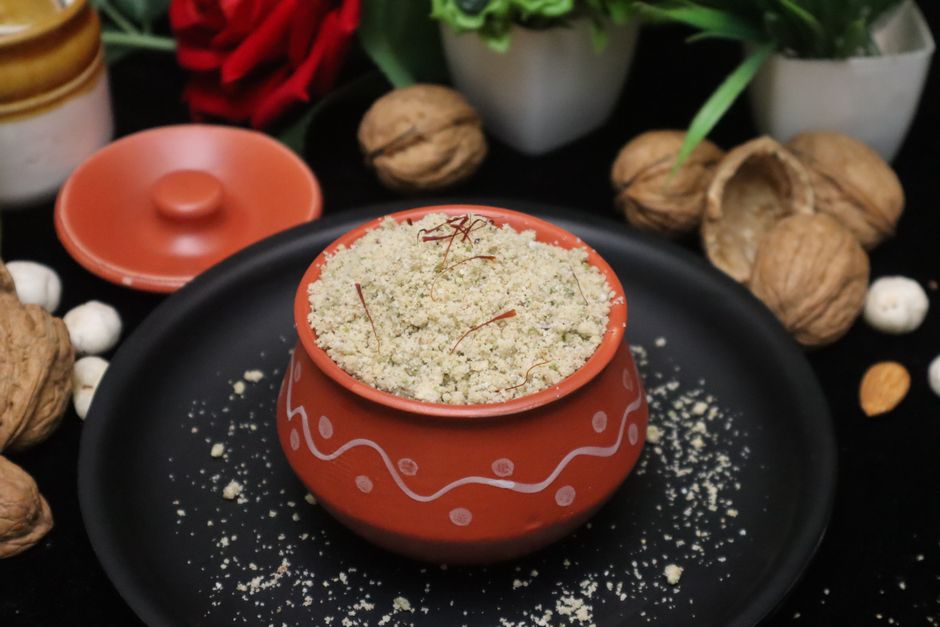
Sev is a crispy, thin noodle-like snack made from chickpea flour that is everywhere in Indian food. It is fried until golden, has a salty and slightly spicy taste, and is used as a topping, a filling, or eaten straight from the bowl. You will find it on top of chaat, mixed into snacks like bhel puri, and served alongside main dishes to add crunch.
What Is Sev In Indian Food Uses Types And Taste?
Sev is a staple of Indian street food and home cooking. The base ingredient is usually besan, which is gram flour made from ground chickpeas. The flour is mixed with water, turmeric, salt, and sometimes spices like ajwain (carom seeds) or black pepper. The batter is pushed through a metal press with small holes directly into hot oil. The thin strands fry in seconds and come out crisp and brittle.
The taste is savory with a mild earthy note from the chickpeas. The texture matters as much as the flavor. Good sev snaps when you bite it and then dissolves quickly on the tongue. The oil it is fried in also affects the taste. Many commercial brands use peanut oil or palm oil, which adds a neutral background. Home cooks often use mustard oil in northern India, which gives sev a sharper, more pungent edge.
Sev is not one single product. The thickness of the noodle, the spice level, and the additives change depending on the region and the dish it is meant for. Thin sev is used for sprinkling. Thick sev is eaten as a snack on its own. Some sev is mixed with fried curry leaves, peanuts, or raisins to make a spiced mixture called bhujia, though purists consider bhujia a separate category.
How Is Sev Made?
The process is simple but requires the right equipment. A sev press (a handheld cylinder with a perforated disc at the bottom) is essential. The dough must be stiff enough to hold its shape but soft enough to pass through the holes. If the dough is too wet, the sev comes out thick and soggy. If it is too dry, the press is hard to operate and the strands break.
The oil temperature matters. Most recipes call for medium-hot oil, around 350°F (175°C). Oil that is too hot browns the sev before the inside cooks. Oil that is too cool makes the sev absorb excess fat and turn greasy. The sev is fried in small batches and drained on paper towels. Once cool, it stores well in an airtight container for several weeks because it contains almost no moisture.
Commercial production follows the same principle but on a much larger scale. Industrial sev makers use continuous fryers and adjust the recipe with additives to extend shelf life. Some brands add citric acid as a preservative. Others use refined flour mixed with besan to lower cost, which changes the texture and makes the sev less crisp over time.
What Are The Main Types Of Sev?
Sev varies by thickness, spice, and regional preference. The most common types you will encounter in Indian grocery stores or restaurants are:
- Nylon sev — extremely thin strands, almost like fine vermicelli. It is the most versatile type and the one most often used as a topping. The name comes from its thread-like appearance.
- Thick sev — about twice the diameter of nylon sev. It has a softer crunch and is often eaten by the handful as a snack.
- Masala sev — mixed with spices, dried herbs, and sometimes pieces of fried onion or garlic. It is spicier and more aromatic than plain sev.
- Ratlami sev — a specialty from Ratlam, a city in central India. It is thin, dark brown, and heavily spiked with cloves, black pepper, and asafoetida. The taste is intense and distinctly different from standard sev.
- Bhujia sev — a broader term for sev mixed with other fried ingredients like peanuts, lentils, and curry leaves. It is often sold as a party mix.
Each type serves a different purpose in cooking. Nylon sev disappears into a dish and adds crunch without dominating. Thick sev holds up better in soups or when mixed with wet chutneys. Masala sev is a snack food first and a topping second.



How Is Sev Used In Indian Cooking?
Sev is primarily a textural ingredient. It adds a dry, crisp contrast to soft or wet dishes. The most famous use is in sev puri, a popular street snack where sev is sprinkled over flat puris topped with potatoes, onions, chutneys, and yogurt. The sev provides the final crunch that ties the dish together.
Other common uses include:
- Bhel puri — a puffed rice snack mixed with vegetables, chutney, and a generous handful of nylon sev.
- Dahi puri — similar to sev puri but with more yogurt and a sweeter chutney.
- Sev tamatar — a home-style dish from western India where sev is added to a spiced tomato gravy and eaten with roti or rice. The sev softens slightly but keeps some crunch.
- Upma or poha — sev is sprinkled on top of these breakfast dishes for contrast.
- Raita — some households add a handful of sev to yogurt-based side dishes.
- Sandwich filling — street vendors in Mumbai add sev to grilled sandwiches for extra texture.
Sev also appears in festive cooking. During Diwali, many families prepare large batches of sev and other fried snacks to share with guests. It is a gift item as much as a food item in some communities.
Is Sev Healthy?
Sev is a fried snack, so it is high in calories and fat. A typical serving of about 1 ounce (28 grams) contains roughly 150 calories and 8 grams of fat, depending on the brand and oil used. The exact numbers vary widely, so reading the nutrition label is the only reliable way to know what you are getting.
The main ingredient, chickpea flour, is nutritious. It provides protein, fiber, and iron. But frying changes the picture. The oil adds significant calories, and the high heat can degrade some of the heat-sensitive nutrients. The salt content is also notable. Many commercial sev brands contain 200 to 300 milligrams of sodium per serving, which adds up quickly if you eat it as a snack.
For people with gluten sensitivity, standard sev is usually safe because besan is gluten-free. However, cross-contamination is possible in facilities that also process wheat. Some brands mix wheat flour into the sev to reduce cost. If gluten is a concern, check the ingredient list carefully or contact the manufacturer.
Sev is not a health food, but it is not uniquely harmful either. It fits into a balanced diet in moderation, like any fried snack. The bigger concern is portion size. Because sev is light and crunchy, it is easy to eat several servings without noticing.
How Should Sev Be Stored?
Sev stays fresh for weeks if stored correctly. The enemy is moisture. Once sev absorbs humidity, it becomes chewy and loses its crisp texture. Keep it in an airtight container at room temperature, away from direct sunlight and the stove. A dry, cool pantry is ideal.
Do not refrigerate sev. The cold air in a refrigerator is humid, and the sev will soften faster. Freezing is possible but not recommended. The freeze-thaw cycle damages the structure of the fried strands, and the sev comes out stale even after reheating.
If your sev has gone soft, you can partly restore it. Spread it on a baking sheet and toast it in a 300°F (150°C) oven for 5 to 7 minutes. This drives off moisture and brings back some crunch. It will not be exactly like fresh sev, but it is a reasonable fix.
Where Can You Buy Sev?
Indian grocery stores carry sev in the snack aisle. It is usually sold in clear plastic bags or large jars. International sections of mainstream supermarkets sometimes stock it, especially in cities with a significant South Asian population. Online retailers like Amazon also sell sev from major Indian brands such as Haldiram’s and Bikaji.
When buying sev, check the packaging date. Fresher sev is noticeably better. Look for pieces that are uniform in color and free of dark spots, which indicate over-frying. The bag should not feel greasy on the outside. If the sev clumps together in the bag, it has been exposed to moisture and will not be crisp.
Making sev at home is also an option if you have a sev press. The taste is fresher, and you control the oil and salt. The process takes about 30 minutes once the oil is hot. The main challenge is getting the dough consistency right, which takes a few tries.
Frequently Asked Questions
Is sev gluten-free?
Traditional sev made only from chickpea flour is gluten-free. Some commercial brands add wheat flour, so check the ingredient list if gluten is a concern.
What does sev taste like?
Sev tastes salty, savory, and slightly earthy from the chickpea flour. The spice level varies from mild to moderately spicy depending on the type and brand.
Can you eat sev by itself?
Yes, sev is commonly eaten as a standalone snack. Thick sev and masala sev are especially popular for eating straight from the bag.
How long does sev stay fresh?
Sev stays crisp for 2 to 4 weeks in an airtight container at room temperature. It softens quickly if exposed to moisture.
