
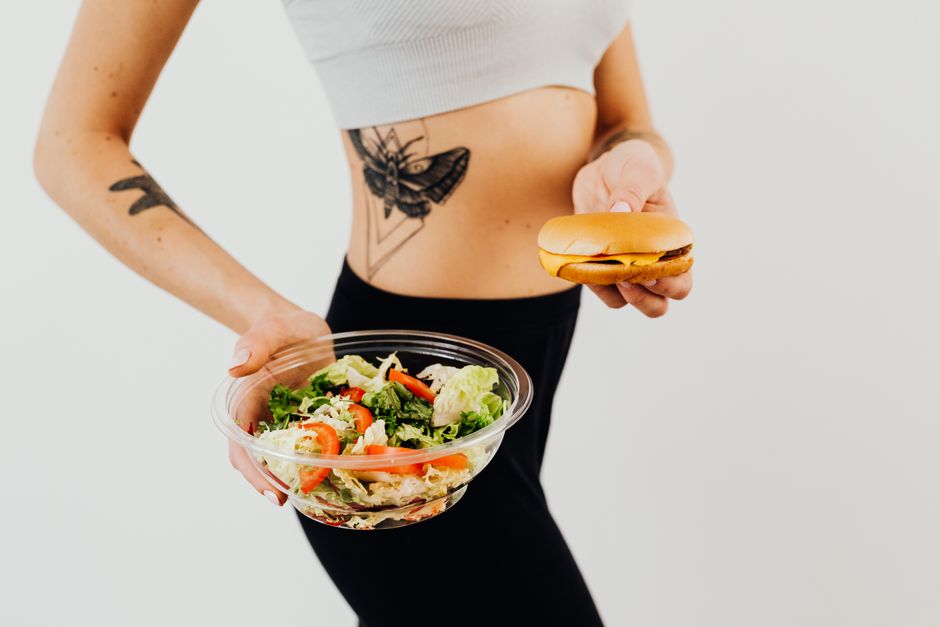
You might be surprised to hear that most fast food is not just junk food — it falls into a specific category called ultra-processed food. Food scientists use a system called NOVA to sort foods by how much they are changed from their natural state. Fast food burgers, chicken nuggets, fries, and sodas almost always land in the ultra-processed group. This is because they contain ingredients you would not find in a home kitchen, like modified starches, emulsifiers, and artificial flavors. Understanding this connection helps you make better choices when you are short on time and hungry.
What Makes a Food Ultra-Processed?
The NOVA classification system is the standard researchers use. It groups foods into four categories. Unprocessed or minimally processed foods are whole fruits, vegetables, milk, and fresh meat. Processed culinary ingredients are things like oil, sugar, and salt. Processed foods are items like canned vegetables or cheese that have a few added ingredients. Ultra-processed foods are industrial formulations made mostly from substances extracted from foods, not the foods themselves.
A fast food chicken sandwich is a clear example. The chicken patty may start with real chicken, but it also contains soy protein isolate, modified cornstarch, dextrose, and several gums and phosphates. These are not ingredients you keep in your pantry. The bun contains dough conditioners, preservatives, and high-fructose corn syrup. The sauce has artificial colors and flavors. Research published in the journal Public Health Nutrition found that 70% of items on fast food menus qualify as ultra-processed by NOVA standards.
The key difference is how much the food has been chemically altered or assembled from industrial ingredients. A grilled chicken breast from a grocery store is minimally processed. A fast food chicken sandwich is a constructed product designed for shelf stability and taste, not nutrition.
Is Fast Food Considered Ultra Processed Food by Nutrition Experts?
Yes, nutrition researchers and public health agencies widely agree on this. The NOVA system is used by the Food and Agriculture Organization of the United Nations and the Pan American Health Organization. These groups classify fast food items as ultra-processed because of their ingredient lists and production methods.
Dr. Carlos Monteiro, who developed the NOVA system, has stated that ultra-processed foods are “formulations of ingredients, mostly of exclusive industrial use, that result from a series of industrial processes.” Fast food fits this definition exactly. The burger patty may contain textured vegetable protein and flavor enhancers. The fries are often coated with dextrose and sodium acid pyrophosphate to maintain color and texture. These are not whole foods.
Some people argue that a simple hamburger made from fresh ground beef, a plain bun, lettuce, and tomato should not count. In that specific case, the burger itself might be a processed food rather than ultra-processed. But the moment you add a proprietary sauce, a processed cheese slice, or a bun with preservatives, it moves into ultra-processed territory. Most fast food restaurants use these additions as standard.
What Does the Research Show About Fast Food and Health?
Studies have found a strong link between ultra-processed food consumption and negative health outcomes. A 2019 study published in BMJ followed over 100,000 adults for five years. Researchers found that a 10% increase in ultra-processed food intake was associated with a 12% higher risk of overall cancer. Fast food is a major contributor to this category.
Another study from the National Institutes of Health placed 20 adults in a controlled setting for four weeks. Participants ate either an ultra-processed diet or an unprocessed diet matched for calories, sugar, fat, fiber, and macronutrients. Those on the ultra-processed diet ate about 500 more calories per day and gained weight. The fast food industry produces foods engineered to override your natural fullness signals.
The American Heart Association reports that ultra-processed foods make up nearly 60% of total calories consumed in the United States. Fast food is a significant part of that number. The combination of high sodium, added sugars, and unhealthy fats in fast food contributes to hypertension, obesity, and type 2 diabetes. The evidence is consistent across multiple large-scale studies.




How Can You Identify Ultra-Processed Fast Food?
You do not need a food science degree to spot it. Look at the ingredient list if it is available. Fast food restaurants are required to provide nutrition and ingredient information online or in-store. If the list contains more than five ingredients and includes things you cannot pronounce, it is likely ultra-processed.
Here are common signs a fast food item is ultra-processed:
- Contains hydrogenated oils or palm oil
- Includes soy lecithin, mono and diglycerides, or other emulsifiers
- Has added sugars like high-fructose corn syrup, maltodextrin, or dextrose
- Uses modified starches or gums such as xanthan gum or guar gum
- Contains artificial flavors, colors, or preservatives
The texture and mouthfeel also give clues. Ultra-processed foods tend to be soft, moist, and easy to chew. They break down quickly in your mouth. This is by design. Food manufacturers engineer these textures to make you eat faster and consume more before your brain registers fullness.
A whole apple takes time to chew and signals satiety. A fast food apple pie is soft, sweet, and gone in three bites. That difference matters for your health.
Are There Any Fast Food Options That Are Not Ultra-Processed?
Some fast food items come close to being simply processed rather than ultra-processed. Plain grilled chicken without sauce, a side salad with oil and vinegar dressing, or a baked potato with no toppings are better choices. Black coffee and unsweetened iced tea are not ultra-processed.
Here is a comparison of common fast food items and their processing level:
| Food Item | Processing Level | Why |
|---|---|---|
| Grilled chicken breast (plain) | Processed | Cooked with salt and oil, minimal additives |
| Side salad (no dressing) | Minimally processed | Fresh vegetables, no industrial ingredients |
| Black coffee | Minimally processed | Brewed from roasted beans, nothing added |
| Hamburger with sauce and cheese | Ultra-processed | Bun has preservatives, sauce has emulsifiers, cheese is processed |
| Chicken nuggets | Ultra-processed | Contain modified starches, soy protein, and multiple additives |
| French fries | Ultra-processed | Coated with dextrose and preservatives before frying |
| Soda | Ultra-processed | Carbonated water with high-fructose corn syrup, artificial flavors, and colors |
Even the “healthier” options at fast food chains often fall into the ultra-processed category. Wraps use tortillas with preservatives. Smoothies contain added sugars and stabilizers. The safest approach is to view fast food as an occasional convenience, not a regular part of your diet.
What Should You Look For When Choosing Fast Food?
Focus on items with the shortest ingredient lists. Grilled proteins are better than breaded and fried options. Skip the sugary drinks and sauces. Ask for dressings and sauces on the side so you control how much you eat.
Be aware that “fresh” on a menu does not mean unprocessed. Many fast food salads contain ultra-processed ingredients like croutons, processed cheese, and bottled dressings with preservatives. A salad from a fast food chain can still be ultra-processed if the components are industrial.
Some people report feeling better when they reduce fast food intake. This makes sense biologically. Ultra-processed foods alter gut bacteria, increase inflammation, and disrupt hunger hormones. Cutting back even by one meal per week can make a difference over time.
The goal is not to eliminate fast food completely. That is unrealistic for most people. The goal is to understand what you are eating and make informed choices. If you know your drive-thru meal is ultra-processed, you can balance it with whole foods the rest of the day.
Frequently Asked Questions
Is all fast food ultra-processed?
Most fast food items are ultra-processed, but plain grilled chicken, side salads without dressing, and black coffee are exceptions.
What is the difference between processed and ultra-processed food?
Processed foods like canned vegetables have a few added ingredients for preservation. Ultra-processed foods contain industrial ingredients like emulsifiers and artificial flavors.
Can fast food ever be part of a healthy diet?
Yes, in moderation. Choosing simpler items with fewer ingredients and balancing them with whole foods throughout the day reduces the overall impact.
How can I tell if a fast food item is ultra-processed?
Check the ingredient list. If it has more than five ingredients or contains things like modified starch, soy lecithin, or artificial colors, it is ultra-processed.
