
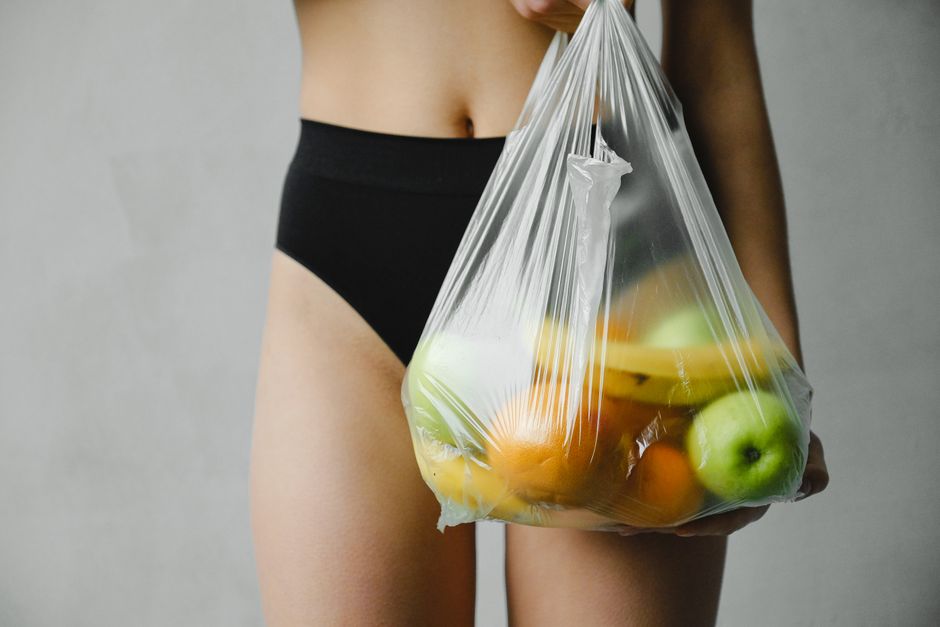
Every year, Americans throw away a staggering amount of food. While leftovers and spoiled milk come to mind, the single largest category of waste might surprise you. It is not the food on your dinner plate; it is the food that never makes it there. The most wasted food in America is fresh vegetables and fruits, with the USDA estimating that roughly 30% of the available food supply in these categories is lost at the retail and consumer levels. In fact, by weight, fruits and vegetables account for nearly 40% of all food waste in the United States.
Why Are Fruits and Vegetables the Most Wasted Food?
Fresh produce is the most wasted food because it is highly perishable. Unlike canned goods or frozen items, a head of lettuce or a carton of strawberries has a very short shelf life. The clock starts ticking the moment it is harvested, and it does not stop until it is eaten or thrown away.
Another major factor is appearance. Supermarkets and consumers often reject fruits and vegetables that are misshapen, bruised, or slightly discolored. These “ugly” items are frequently discarded before they even reach a shopping cart. Research consistently shows that a large share of produce waste happens simply because it does not meet strict cosmetic standards, not because it is unsafe to eat.
Where Does the Waste Actually Happen?
Food waste occurs at every step of the supply chain, but the breakdown for produce is heavily skewed toward the end. On farms, crops may be left in the field if market prices are too low to cover harvest costs, or if they do not meet the size and color requirements of buyers. This is called pre-harvest or on-farm loss.
At the retail level, grocery stores discard damaged shipments and items that pass their “sell-by” date. However, the largest portion of waste happens in the home. The USDA’s Economic Research Service has found that consumer-level losses are the single biggest contributor to food waste in the country. In many households, produce is bought with good intentions but forgotten in the back of the fridge, or bought in bulk when only a small amount is actually needed.
What About Other Foods Like Dairy and Meat?
While fruits and vegetables are the largest by weight, other categories have their own waste patterns. Dairy products like milk and yogurt are also frequently wasted, but they represent a smaller share of total tonnage. Meat and poultry are the most expensive wasted foods per pound, so while they contribute less weight to landfills, they represent a larger financial loss for households.
Grains and packaged foods are wasted less often because they have longer shelf lives. However, when they are thrown away, it is often because a household bought too much or because the product passed its “best by” date, which is a quality indicator, not a safety deadline.





How Much Food Waste Is Really Happening Each Year?
The scale of the problem is enormous. The USDA estimates that between 30% and 40% of the entire U.S. food supply goes to waste. This figure includes food lost from the farm to the fork, covering everything from unharvested crops to plate scrapings. In total, that is roughly 133 billion pounds of food discarded annually.
This waste has financial and environmental consequences. The average American family of four spends an estimated $1,500 per year on food that is never eaten. When food rots in a landfill, it produces methane, a potent greenhouse gas. Reducing food waste is one of the most effective ways individuals can lower their environmental footprint without changing their diet.
How Can You Reduce Produce Waste at Home?
Reducing waste starts with smarter shopping. Before going to the store, check what you already have in the fridge. Plan meals around ingredients you already own, and buy only what you need for the week. Bulk buying is only a bargain if you actually use everything before it spoils.
Proper storage matters more than most people realize. Many fruits and vegetables release ethylene gas, which speeds up ripening. Apples, bananas, and tomatoes produce high levels of ethylene, so storing them separately from leafy greens and berries can extend freshness. Storing herbs like cilantro and parsley in a glass of water in the fridge, similar to a bouquet, can keep them crisp for days longer than leaving them in a plastic bag.
Freezing is the most underused tool in the kitchen. Overripe bananas can be peeled and frozen for smoothies. Wilted spinach can be blanched and frozen for soups. Nearly any vegetable can be frozen if cleaned and cut properly. This turns a soon-to-be-wasted item into a future meal ingredient.
What Do “Sell By” and “Best By” Dates Actually Mean?
Confusion over date labels is a major driver of household food waste. Most people assume these dates indicate safety, but they generally indicate quality. The “sell by” date is for retailers, telling them how long to display a product. The “best by” date suggests when a product will be at peak flavor and quality.
These dates are not federally regulated except for infant formula. For most foods, they are manufacturer suggestions. A carton of milk is often safe to drink several days past its “sell by” date if it has been refrigerated properly and smells fine. A jar of pasta sauce is usually safe for weeks past its date. Using your senses — smell, sight, and taste — is a more reliable guide than the printed date for most items.
Composting: What Happens When Food Can’t Be Saved?
Not all food waste can be avoided. Stems, peels, pits, and spoiled items are inevitable. Composting keeps this organic material out of landfills, where it would otherwise generate methane. In a compost bin, food scraps break down aerobically and turn into nutrient-rich soil.
Many cities now offer curbside compost collection, making it as easy as recycling. If that is not available, countertop compost bins or backyard piles are workable options for most households. Even if you do not garden, compost can be donated to community gardens or local farms. Composting does not solve the waste problem, but it significantly reduces the environmental damage of the food that is inevitably lost.
Frequently Asked Questions
What is the single most wasted food item in America?
Fresh vegetables and fruits are the most wasted category, with potatoes, lettuce, and bananas being among the top individual items discarded. By weight, produce accounts for nearly 40% of all U.S. food waste.
Does food waste happen more at home or in grocery stores?
Consumer-level waste is the largest contributor, exceeding retail and farm losses combined. Households throw away more produce than stores do because of overbuying, poor storage, and confusion over date labels.
Is it safe to eat food past the “best by” date?
For most foods, yes, because these dates indicate quality rather than safety. The exception is infant formula, which should not be used past its printed date.
Does composting count as reducing food waste?
Composting is not the same as preventing waste, but it is far better than sending food to a landfill. It recovers nutrients and reduces methane emissions, making it a responsible final step for scraps that cannot be eaten.
