
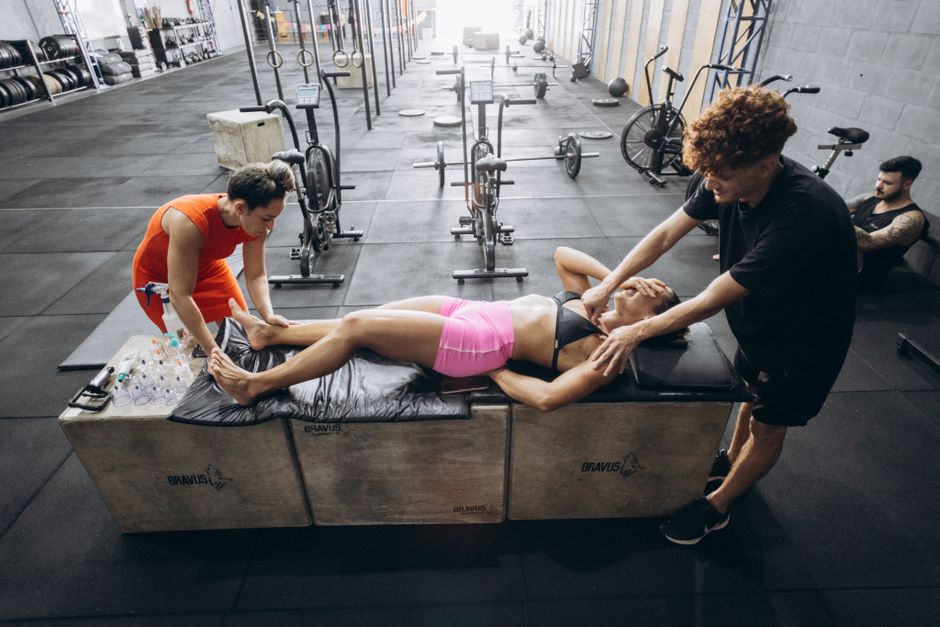
Your muscles just finished a tough workout. They are damaged and need repair. What you eat in the next hour or two directly affects how well and how fast they recover. The short answer is this: eat protein and carbohydrates. Protein rebuilds muscle tissue. Carbs refill your energy stores. A ratio of about 3:1 or 4:1 carbs to protein works well for most people. A chicken breast with rice, a protein shake with a banana, or Greek yogurt with berries all fit the bill. Timing matters less than getting the right nutrients in within a few hours of finishing your workout.
Why Do Muscles Need Specific Nutrients After Exercise?
When you lift weights, run, or do any intense exercise, you create tiny tears in your muscle fibers. This is a normal part of getting stronger. Your body then repairs these tears, making the muscle thicker and stronger than before. But it cannot do this without the right building blocks.
Protein provides amino acids. These are the raw materials for muscle repair. Without enough protein, your body struggles to rebuild. Carbohydrates are just as important. They replenish glycogen, which is the stored sugar your muscles used for energy during your workout. If you do not eat enough carbs, you may feel tired and sluggish for your next workout.
Research published in the Journal of the International Society of Sports Nutrition found that consuming protein after exercise stimulates muscle protein synthesis. That is the process of building new muscle. Carbs help by triggering insulin release, which helps shuttle amino acids into muscle cells. Together, they work better than either one alone.
What Does Research on What To Eat After The Gym For Muscle Recovery Show?
Studies have found that the “anabolic window” — the period after exercise when your muscles are most receptive to nutrients — is wider than many people think. You do not need to eat within 30 minutes. The American College of Sports Medicine states that consuming protein and carbs within two hours after exercise is effective for most people.
A 2017 review in Nutrients looked at multiple studies on post-workout nutrition. It concluded that 20 to 40 grams of high-quality protein is enough to maximize muscle repair in most adults. More than that does not provide extra benefit. The same review found that 0.5 to 0.7 grams of carbs per pound of body weight is a good target for replenishing glycogen after intense exercise.
Whole food sources work just as well as supplements. A study in the Journal of the American College of Nutrition compared milk-based protein to soy-based protein. Both improved muscle recovery similarly. The key is getting enough total protein and carbs, not the specific source.
How Much Protein and Carbs Do You Actually Need?
Your body size and workout intensity determine your needs. A general guideline is 20 to 40 grams of protein after a workout. For a 150-pound person, that might be a scoop of protein powder or a 6-ounce chicken breast.
For carbohydrates, aim for 30 to 60 grams after moderate to intense exercise. This could be a cup of cooked rice, a large sweet potato, or two pieces of fruit. If your workout was light, like a 30-minute walk, you likely do not need a specific post-workout meal. Your regular diet will cover it.
Here is a simple table to help you plan:
| Workout Type | Protein (grams) | Carbs (grams) | Example Meal |
|---|---|---|---|
| Light (walking, yoga) | 10-15 | 15-30 | Apple with peanut butter |
| Moderate (jogging, light lifting) | 20-30 | 30-45 | Protein shake with banana |
| Intense (heavy lifting, sprints) | 30-40 | 45-60 | Chicken, rice, and broccoli |
These are starting points. Adjust based on how you feel. If you are sore the next day, you may need more protein. If you feel drained, add more carbs.
What Are the Best Whole Food Options for Post-Workout Recovery?
Whole foods offer fiber, vitamins, and minerals that supplements do not. They also digest at a steady rate, which can help with sustained energy. Some of the most effective options are simple and easy to prepare.
- Lean meats like chicken, turkey, or beef provide complete protein. Pair with rice, potatoes, or quinoa for carbs.
- Fish like salmon or tuna offers protein plus omega-3 fats, which may reduce exercise-related inflammation.
- Eggs are a complete protein source. Two to three eggs with toast make a quick post-workout meal.
- Greek yogurt has about 20 grams of protein per cup. Add berries and granola for carbs and flavor.
- Milk, especially chocolate milk, is a well-studied recovery drink. It contains protein, carbs, and electrolytes.
- Beans and lentils are plant-based options. They provide protein and carbs together, though you may need to combine them with grains for a complete amino acid profile.
Some people report that liquid meals are easier to digest right after a workout. A smoothie with protein powder, fruit, and milk or a plant-based milk can be a good choice if solid food feels heavy.
Should You Use Protein Powders and Supplements?
Protein powders are convenient but not necessary. The Academy of Nutrition and Dietetics states that whole foods should be your primary source of nutrients. Supplements can help when you are short on time or cannot eat a full meal.
Whey protein is the most researched type. It digests quickly and is high in leucine, an amino acid that triggers muscle protein synthesis. Casein protein digests more slowly and may be better before bed. Plant-based options like pea or soy protein work well for people who avoid dairy.
Creatine is another supplement with strong evidence. Research from McMaster University shows that creatine monohydrate can improve strength and muscle mass when combined with resistance training. It does not need to be taken immediately after a workout. Taking it at any time of day is effective.
Be cautious with “recovery” supplements that make big claims. Many contain proprietary blends with unproven ingredients. Stick with single-ingredient products from reputable brands. The FDA does not regulate supplements as strictly as food, so quality varies.
What About Timing and Meal Frequency?
Eating something within two hours after your workout is a good target. If you ate a meal one to two hours before exercising, you may not need to eat immediately after. Your body still has circulating nutrients from that meal.
Some people prefer to eat a small snack immediately after and a larger meal later. That works fine. The total amount of protein and carbs you eat over the whole day matters more than the exact timing of your post-workout meal. A 2013 study in Physiology Reports found that total daily protein intake was a stronger predictor of muscle growth than timing alone.
If you exercise in the morning on an empty stomach, eating soon after is more important. Your glycogen stores are lower, and your muscles need fuel more urgently. A breakfast with protein and carbs, like eggs and oatmeal, is a solid choice.
Common Misconceptions About Post-Workout Nutrition
One widespread myth is that you must eat within 30 minutes or your workout is wasted. This is not supported by evidence. The anabolic window is real but flexible. Eating within two hours is fine for most people.
Another myth is that you need a protein shake immediately after every workout. If you eat a balanced diet, you likely get enough protein without supplements. A 2018 review in Sports Medicine concluded that total daily protein intake of 1.6 to 2.2 grams per kilogram of body weight is sufficient for most athletes. This can be achieved through food alone.
Some people believe that fat slows recovery and should be avoided after exercise. Fat does slow digestion, but a moderate amount in a post-workout meal is not harmful. A chicken breast with olive oil or an avocado with your meal is fine. The priority is protein and carbs, not avoiding fat entirely.
There is also no clinical evidence that specific “superfoods” like chia seeds or beet juice are essential for recovery. They can be part of a healthy diet, but they do not outperform basic protein and carbs for muscle repair.
Frequently Asked Questions
What should I eat immediately after a workout?
Eat a combination of protein and carbohydrates within two hours. Good options include a protein shake with a banana, Greek yogurt with berries, or a chicken and rice bowl.
Can I drink chocolate milk after working out?
Yes, chocolate milk is a well-studied recovery drink. It provides carbs, protein, and electrolytes in a convenient form.
Is it okay to eat a full meal after the gym?
Yes, a balanced meal with protein, carbs, and vegetables is ideal. If you feel nauseous after intense exercise, start with a small snack and eat a full meal later.
Do I need protein powder for muscle recovery?
No, whole foods work just as well. Protein powder is convenient but not necessary if you can eat a protein-rich meal within a few hours.
