
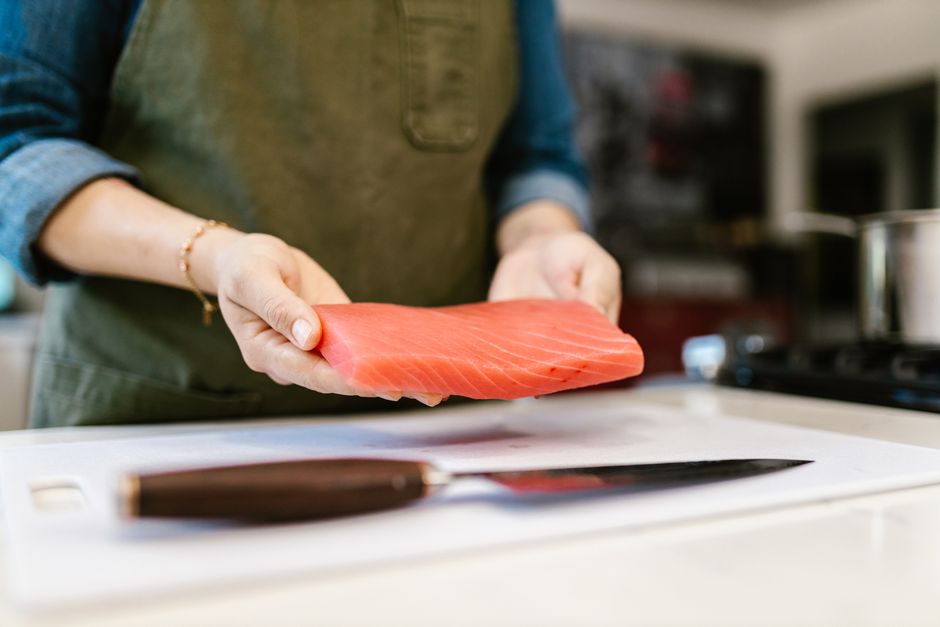
If you are cutting calories to lose fat, you need more protein than usual to keep your muscle. The general recommendation is 0.7 to 1.0 grams of protein per pound of your body weight each day. For a 180-pound person, that means 126 to 180 grams of protein daily. This range is higher than what most people eat for general health, but research shows it makes a real difference during a calorie deficit.
Why Do You Need More Protein When Cutting?
When you eat fewer calories than your body burns, your body looks for energy. It burns fat, which is good. But it also starts breaking down muscle tissue for fuel. That is what you want to avoid.
Protein protects your muscle. It signals your body to keep muscle tissue intact even when calories are low. The American College of Sports Medicine notes that higher protein intake helps preserve lean mass during weight loss. Without enough protein, a significant portion of the weight you lose can come from muscle instead of fat.
Muscle loss is not just about strength or appearance. It lowers your metabolism because muscle burns more calories than fat at rest. Losing muscle makes it harder to keep weight off long term. That is why getting the right amount of protein during a cut is not optional — it is essential.
How Much Protein When Cutting To Preserve Muscle Exactly?
The most commonly cited number in research is 0.7 to 1.0 grams per pound of body weight. A study published in the Journal of the International Society of Sports Nutrition found that 0.73 grams per pound was enough to preserve muscle in athletes during a calorie deficit. Some research suggests going as high as 1.0 grams per pound for people doing intense resistance training.
Your exact number depends on how active you are and how steep your calorie deficit is. If you are cutting aggressively — say, eating 500 to 1000 calories below maintenance — aim for the higher end of that range. If your deficit is smaller, the lower end may be sufficient. Leaner individuals also need more protein relative to their weight because they have less body fat to draw energy from.
Here is a quick reference table based on body weight:
| Body Weight (lbs) | Protein Range (grams/day) |
|---|---|
| 150 | 105 – 150 |
| 175 | 122 – 175 |
| 200 | 140 – 200 |
| 225 | 157 – 225 |
| 250 | 175 – 250 |
Does The Type of Protein Matter?
Yes and no. Total daily protein intake matters more than the specific source. But some protein sources are more efficient for muscle preservation than others.
Whey protein is popular for good reason. It is a complete protein with all essential amino acids and digests quickly. Research published in the Journal of Nutrition found that whey protein stimulated muscle protein synthesis more effectively than soy or casein after exercise. That does not mean other sources are bad. It just means whey has a slight edge for post-workout timing.
Casein, found in milk and cottage cheese, digests slowly. Some people use it before bed to provide a steady supply of amino acids overnight. Whole food sources like chicken, fish, eggs, beef, and Greek yogurt all work well. Plant-based options like tofu, tempeh, lentils, and quinoa can also work, though you may need to combine different plant proteins to get all essential amino acids.
The key takeaway: hit your total protein number first. Worry about source quality second. If you get most of your protein from whole foods and include some fast-digesting options around workouts, you are doing it right.

What Happens If You Eat Too Little Protein While Cutting?
Your body will break down muscle for energy. That is the most direct consequence. But it is not the only one.
Low protein intake during a cut can also lead to slower recovery from workouts. You might feel weaker in the gym. Your strength gains may stall or reverse. Over time, your resting metabolic rate drops because you have less muscle tissue. That makes it harder to continue losing fat without eating even fewer calories.
Some people report increased hunger when protein is too low. Protein is the most satiating macronutrient. It keeps you full longer than carbs or fat. When you cut calories and skimp on protein, you are setting yourself up for constant hunger and a higher chance of quitting the diet early.
There is also evidence that very low protein intake during weight loss increases the risk of gallstones and other metabolic issues. The National Institutes of Health notes that rapid weight loss with inadequate protein can stress the liver and kidneys. This is not common in short-term cuts, but it is worth knowing.
Can You Eat Too Much Protein When Cutting?
Yes, but the threshold is higher than most people think. For healthy individuals, protein intakes up to 1.5 grams per pound of body weight appear to be safe. The concern about kidney damage from high protein is largely a myth for people with healthy kidneys. A review in the Journal of the International Society of Sports Nutrition concluded that high protein diets do not cause kidney damage in healthy athletes.
However, there are practical downsides to excessive protein. It can be expensive. It can crowd out other nutrients like fiber and healthy fats. And for some people, very high protein intake causes digestive discomfort like bloating or constipation.
The real issue is that eating way more protein than you need does not give you extra muscle protection. Once your body has enough amino acids for repair and preservation, the excess is either used for energy or stored as fat. There is no benefit to going far above 1.0 grams per pound unless you are in an extreme deficit or doing very high volume training.
How To Spread Protein Throughout The Day
Timing matters, but not as much as total intake. The most practical approach is to eat 25 to 40 grams of protein at each meal. That gives your body a steady supply of amino acids throughout the day.
Research suggests that consuming protein every 3 to 4 hours maximizes muscle protein synthesis. A study in the Journal of Physiology found that evenly distributed protein intake was more effective for muscle growth than eating most protein in one or two large meals. This likely applies to muscle preservation during a cut as well.
Here are simple ways to hit your protein target:
- Start with a protein-rich breakfast like eggs, Greek yogurt, or a protein shake.
- Include a lean protein source at lunch and dinner — chicken breast, fish, tofu, or lean beef.
- Add a protein snack between meals if needed — cottage cheese, a protein bar, or a handful of almonds.
- Consider a casein shake before bed if you struggle to meet your target through meals alone.
Do not overthink the timing. If you eat three or four meals with solid protein portions, you will likely land in the right range. The people who fail are the ones who skip breakfast and eat a tiny lunch, then try to cram all their protein into dinner. That approach rarely works.
Common Misconceptions About Protein and Cutting
One common myth is that eating too much protein will make you bulky. That is false. Building significant muscle requires a calorie surplus and consistent resistance training. Eating extra protein while in a calorie deficit will not cause muscle gain. It prevents muscle loss.
Another myth is that you only need protein right after a workout. While post-workout protein is helpful, your total daily intake matters far more. Missing a post-workout shake is not a disaster if you eat enough protein throughout the rest of the day. The anabolic window is real but it is wider than most people think — several hours, not 30 minutes.
Some people believe that plant-based protein is inherently inferior for muscle preservation. That is not entirely accurate. Plant proteins can work, but they often have lower amounts of one or two essential amino acids. If you are plant-based, simply eat slightly more total protein to compensate. A 10 to 20 percent increase over the standard recommendation should be enough.
Frequently Asked Questions
How much protein when cutting to preserve muscle for a woman?
The same 0.7 to 1.0 grams per pound of body weight applies to women. Women generally have less muscle mass than men, but the protein need relative to body weight is the same.
Can I lose fat and gain muscle at the same time?
It is possible but difficult. Beginners and people returning after a long break can sometimes build muscle while losing fat. For most, the goal is to preserve muscle, not gain it.
Is 100 grams of protein enough when cutting?
It depends on your body weight. For a 120-pound person, 100 grams is within the recommended range. For a 200-pound person, it is far too low and will likely lead to muscle loss.
Do I need protein powder when cutting?
No. Whole foods can meet your protein needs. Protein powder is a convenient option for people who struggle to eat enough protein through meals alone.
