
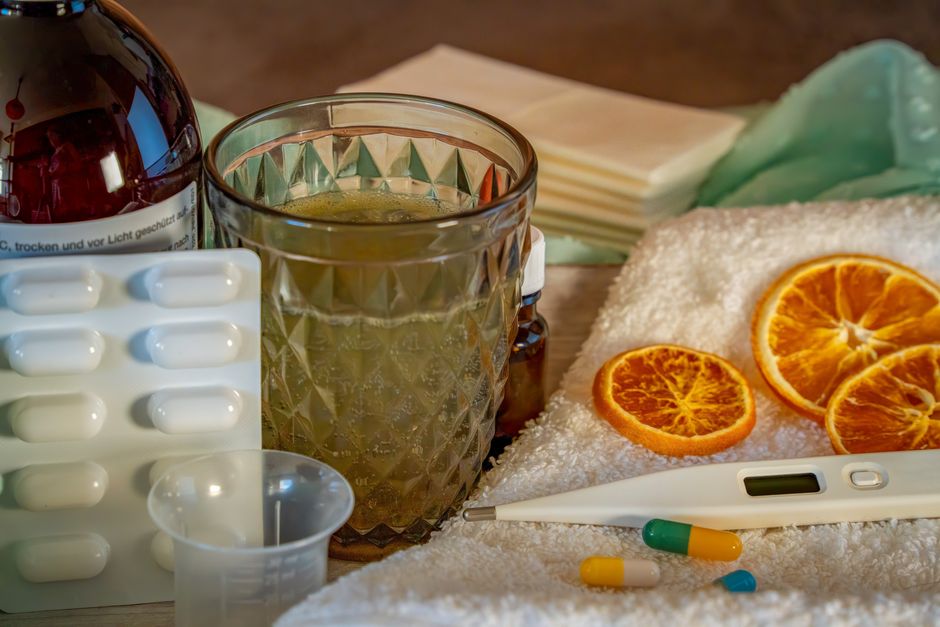
When you are sick, the first thing to ask is what to drink. Your body loses fluids through fever, sweating, vomiting, or diarrhea. Replacing those fluids prevents dehydration and helps your body fight the illness. The best choices are water, clear broths, oral rehydration solutions, and certain herbal teas. Avoid sugary drinks, caffeine, and alcohol. The right drink depends on your symptoms, but staying hydrated is always the priority.
Why Is Staying Hydrated Important When You Are Sick?
When you are sick, your body uses more water. A fever raises your core temperature, and you lose fluid through sweat. Vomiting and diarrhea pull water and electrolytes out of your system quickly. If you have a stuffy nose, you may breathe through your mouth, which also increases water loss.
Dehydration makes symptoms worse. It can cause headaches, dizziness, and fatigue. It also thickens mucus, making it harder to clear. For these reasons, drinking enough fluid is one of the simplest and most effective things you can do.
What To Drink When You Are Sick?
Water is the safest choice for most illnesses. It replaces lost fluid without adding sugar or caffeine. Sip it throughout the day. Do not try to drink large amounts at once if you feel nauseated.
Broths and clear soups provide fluid plus some sodium. Sodium is an electrolyte your body loses when you sweat or vomit. Chicken soup is often recommended for colds, but plain vegetable broth works well too. The warmth can also soothe a sore throat.
Herbal teas such as ginger, peppermint, and chamomile can be helpful. Ginger tea may ease nausea. Peppermint tea can help with congestion. Chamomile is calming and may promote rest. Avoid teas with caffeine.
Oral rehydration solutions (ORS) are specifically formulated to replace both fluid and electrolytes. They contain a precise balance of water, salt, and sugar. These are especially useful for illnesses that cause vomiting or diarrhea, such as stomach flu. You can buy ORS at most drugstores.
What About Electrolyte Drinks?
Electrolyte drinks like sports drinks can help, but they are not ideal for everyone. Many sports drinks are high in sugar, which can worsen diarrhea or make nausea worse. Some products also contain artificial colors and flavors.
For mild fluid loss from a cold or fever, water or broth is usually enough. If you have been vomiting or have diarrhea, an electrolyte drink with lower sugar may be better. Look for brands with no more than a few grams of sugar per serving. Better yet, use an oral rehydration solution designed for illness.
Coconut water is sometimes promoted as a natural electrolyte drink. It does contain potassium and some sodium, but the sodium level is lower than what you lose when sick. It is fine if you like it, but do not rely on it alone for significant dehydration.





Can Herbal Teas Help With Cold And Flu Symptoms?
Some herbal teas have evidence to support their use. Ginger tea, for example, has compounds that may reduce nausea. A review of multiple studies found that ginger can effectively relieve nausea in certain situations. For colds, peppermint tea contains menthol, which can temporarily soothe a sore throat and ease nasal congestion. Chamomile tea is known for its mild sedative effects, which may help you sleep better when you are ill.
Not all herbal teas are safe for everyone. Some herbs can interact with medications or be unsafe during pregnancy. Check with your doctor before using herbal remedies if you take prescription drugs, are pregnant, or have a chronic condition.
Licorice root tea may help with coughs, but it can raise blood pressure. Limit your intake and avoid it if you have high blood pressure or heart disease. Echinacea tea is often marketed for colds, but the evidence for its effectiveness is mixed. You can drink it if you like the taste, but do not expect it to shorten your illness.
What Drinks Should You Avoid When Sick?
Certain drinks can make dehydration worse or interfere with recovery.
- Alcohol: Alcohol is a diuretic, meaning it makes you urinate more. It also impairs the immune system and can interfere with sleep. Avoid alcohol completely while sick.
- Caffeinated drinks: Coffee, black tea, and caffeinated sodas can also increase fluid loss. If you drink them, limit the amount and increase water intake. Some people find caffeine worsens anxiety or restlessness when ill.
- Very sugary drinks: Regular soda, fruit juice with added sugar, and sweetened sports drinks can cause or worsen diarrhea. They also provide empty calories and can spike blood sugar.
- Very cold drinks: Some people find ice-cold drinks irritating to a sore throat or trigger coughing. Room temperature or warm fluids are often better tolerated.
- Milk and dairy: There is a common belief that dairy increases mucus. Research does not support this, but some people find milk thickens mucus or makes it more uncomfortable. If you feel this way, avoid dairy while sick. Otherwise, it is fine.
When Should You Consider Oral Rehydration Solutions?
Oral rehydration solutions (ORS) are recommended by the World Health Organization and other health authorities for diarrhea-related dehydration. They are especially important for children, the elderly, and people with chronic illnesses who lose fluids quickly.
Use ORS if you have:
- Frequent watery diarrhea
- Vomiting that prevents keeping fluids down
- Signs of dehydration such as dry mouth, dark urine, or feeling lightheaded
ORS is available in pre-mixed bottles or powder packets. Follow the package instructions exactly. Do not try to make your own without a proper recipe. Homemade versions can have too much salt or sugar, which can be dangerous.
If you cannot keep any fluids down for more than 24 hours, or if signs of severe dehydration appear (confusion, sunken eyes, very low urine output), seek medical attention immediately. IV fluids may be needed.
Frequently Asked Questions
Can I drink coffee when I am sick?
Coffee is not recommended when you are sick because caffeine is a mild diuretic and can interfere with sleep. If you drink it, limit to one small cup and drink extra water to compensate.
Is Gatorade good for dehydration from the flu?
Gatorade can help replace fluids and electrolytes, but its high sugar content may worsen diarrhea or nausea for some people. Use an oral rehydration solution if symptoms are severe.
Does drinking orange juice help a cold?
Orange juice provides vitamin C, but large doses of vitamin C do not prevent or cure colds. It may slightly shorten the duration if taken daily, but drinking juice when you already have symptoms offers little benefit and can irritate a sore throat due to acidity.
What should I drink if I have a sore throat?
Warm liquids like honey lemon tea, warm water with honey, or broth can soothe a sore throat. Avoid acidic or very hot drinks that may cause irritation.
