
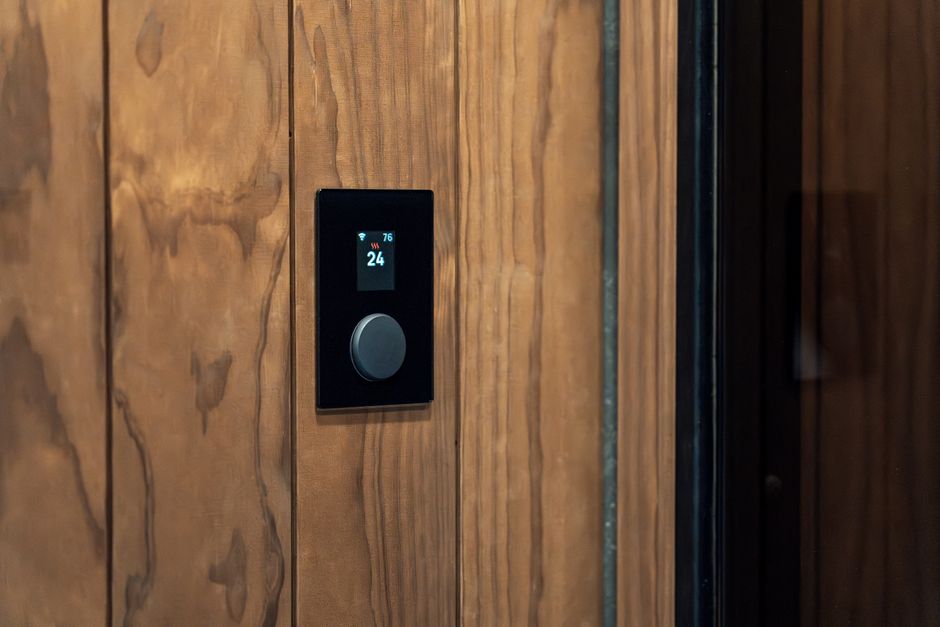
Setting your water heater thermostat is one of the simplest home tasks that can save money and prevent injury. The ideal setting for most households is 120°F (49°C). This temperature is hot enough for comfortable showers and clean dishes, but low enough to reduce scalding risk and lower your energy bill. Gas and electric water heaters have different adjustment methods, and the steps vary slightly depending on your unit’s age and design.
What Temperature Should Your Water Heater Be Set To?
The recommended setting is 120°F (49°C). The U.S. Department of Energy has long suggested this temperature as a balance between safety and efficiency. Most manufacturers also set their units to 120°F from the factory.
Some dishwashers require hotter water to sanitize, but modern models have internal heating elements that boost water temperature. If your dishwasher lacks this feature, check the manual before raising your heater above 120°F. Otherwise, you risk scalding and waste energy without gaining a real benefit.
How To Set Your Water Heater Thermostat Gas Electric: The Basics
Before touching anything, turn off the power or gas supply to the heater. For electric units, switch off the breaker at the panel. For gas units, turn the gas valve to the “pilot” position. Never remove panels or access covers while the unit is powered.
You will need a flathead screwdriver and a thermometer. A simple meat or candy thermometer works fine for checking water temperature at the tap. You may also want a flashlight to see the dial clearly.
Setting a Gas Water Heater Thermostat
Gas water heaters have a single dial located near the gas valve at the bottom of the tank. The dial is usually marked with temperatures or with words like “Hot,” “Warm,” and “Vacation.” Some newer models have digital displays with arrow buttons.
Turn the dial to the desired setting. If your dial only has words, set it to “Hot” which typically corresponds to 120°F. If it has numbers, set it to 120. Wait one hour, then check the water temperature at the nearest faucet.
Run the hot water for three minutes before taking a reading. If the temperature is too high or low, adjust the dial slightly and wait another hour. Each small mark on the dial usually changes the temperature by about 10°F.




Setting an Electric Water Heater Thermostat
Electric water heaters have two thermostats—one for the upper heating element and one for the lower. Both must be set to the same temperature or you will run out of hot water quickly.
Turn off the breaker first. Remove the access panels on the side of the tank using a screwdriver. You will see insulation underneath—pull it back to expose the thermostat dial and the adjustment screw.
Use the flathead screwdriver to turn the adjustment screw to the correct setting. The dial typically has temperature markings printed on the metal bracket. Set both the upper and lower thermostats to the same temperature. Replace the insulation, panels, and restore power.
Wait one hour and check the water temperature at the tap. Run hot water for three minutes before measuring. Adjust both thermostats equally if changes are needed.
How To Test Your Water Heater Temperature
Testing is straightforward but requires patience. Run the hot water at the faucet closest to the heater for three full minutes. This ensures you are reading the tank’s temperature, not the water sitting in the pipes.
Fill a glass and place a cooking thermometer in it. The reading should be close to your thermostat setting. If it is more than 5°F off, adjust the thermostat and wait another hour before retesting.
Safety Concerns and Scalding Risk
Water above 130°F can cause third-degree burns in seconds. Young children and older adults are at the highest risk. The 120°F setting is specifically chosen because it takes about five minutes of exposure to cause a burn at that temperature—far safer than at higher settings.
If you have a vulnerable person in your home, consider setting the thermostat to 120°F or lower and installing anti-scald devices on faucets and showerheads. These mixing valves blend hot and cold water at the point of use and provide an extra layer of protection.
Energy Savings and Cost Considerations
Every 10°F reduction in water temperature saves roughly 3% to 5% on your water heating costs. Water heating accounts for about 18% of a typical home’s energy use, so the savings add up over time.
Setting the heater to 140°F instead of 120°F can cost you $30 to $60 more per year depending on your fuel type and local rates. That is money spent for no practical benefit unless you have a specific need for hotter water.
When You Might Need a Higher Temperature
Some situations justify a higher setting. If you have a dishwasher without a booster heater, you may need 140°F for proper sanitization. However, you must install anti-scald mixing valves at every tap if you raise the temperature above 130°F.
If someone in your home has a suppressed immune system, some health guidelines suggest keeping water at 140°F to reduce the risk of Legionella bacteria growth. This applies mainly to people with chronic respiratory disease or weakened immunity. For everyone else, 120°F is sufficient because Legionella does not typically colonize in well-maintained residential tanks.
Vacation Settings and Long Absences
Most gas water heaters have a “Vacation” setting on the dial. This keeps the pilot light running but stops heating the water. Electric heaters do not have this feature—you simply turn off the breaker.
Turning the heater off entirely saves energy but requires time to reheat the tank when you return. A 40-gallon tank takes about one hour to heat from cold. If you will be gone more than a few days, turn it off or set it to the lowest setting.
Common Mistakes To Avoid
Do not set both electric thermostats to different temperatures. This is the most common error and causes inconsistent water temperatures and shorter hot water supply. Always set them identically.
Do not skip the insulation when replacing access panels on electric heaters. The insulation keeps the heat in the tank and protects the wiring from excess heat. Replace it exactly as you found it.
Do not adjust the thermostat while the water is hot. Wait for the tank to cool or use insulated gloves. The water inside is under pressure and can cause serious burns if a fitting fails during adjustment.
Signs Your Thermostat Is Failing
Water that is consistently too hot or too cold despite adjustments indicates a faulty thermostat. Strange noises from the tank, such as popping or rumbling, can also signal temperature regulation problems.
If you cannot get a consistent temperature after multiple adjustments, the thermostat may need replacement. This is a job for a licensed plumber or a qualified appliance technician. Do not attempt internal repairs yourself.
Frequently Asked Questions
How long does it take for a water heater to reach the new temperature setting?
Wait at least one hour after adjusting before testing the water temperature. A full tank can take longer, especially if the incoming water is cold.
Can I set my water heater to 120 degrees on both thermostats?
Yes, both thermostats on an electric heater should be set to the same temperature. This ensures consistent hot water and prevents the tank from running cold prematurely.
Is 140 degrees too hot for a water heater?
For most homes, yes. 140°F significantly increases scalding risk and energy costs. Only use this setting if you have a specific need like an older dishwasher without a booster heater.
What temperature kills bacteria in a water heater?
Legionella bacteria stops growing at temperatures above 122°F and is killed at 140°F. For most healthy households, 120°F is considered safe because the bacteria rarely colonize in residential tanks that are used regularly.
