
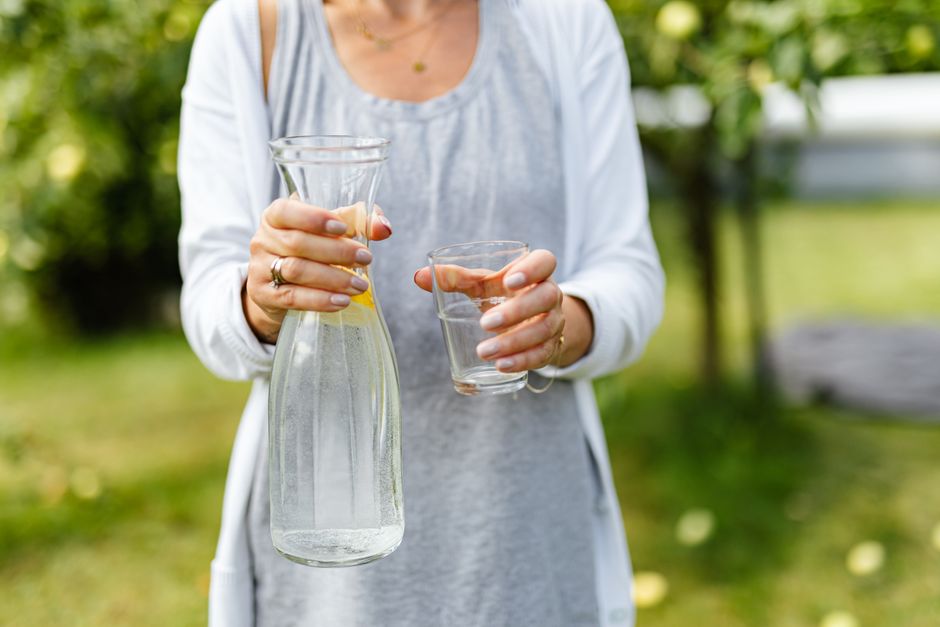
Making your own electrolyte drink at home is simple and often cheaper than buying sports drinks. You need water, salt, and a source of sugar. The sugar helps your body absorb the salt and water more effectively. This basic combination replaces what you lose through sweat.
What Does an Electrolyte Drink Actually Do?
Your body needs electrolytes to keep your muscles and nerves working. The main ones lost in sweat are sodium and chloride. You also lose smaller amounts of potassium, magnesium, and calcium.
When you sweat heavily, you lose water and these minerals together. Drinking plain water dilutes the remaining electrolytes in your blood. This can make you feel worse, not better. An electrolyte drink replaces both the fluid and the minerals.
The sugar in a homemade drink is not just for taste. Glucose helps your intestines absorb sodium. Without sugar, your body absorbs the water and salt much more slowly. This is why plain salt water is not an effective hydration drink.
How To Make An Electrolyte Drink DIY Recipe
The simplest effective recipe uses ingredients you likely already have in your kitchen. This recipe makes about one liter, which is a standard amount for a long workout or a hot day.
Mix the following in a 1-liter bottle or pitcher:
- 1 liter of water
- 1/2 teaspoon of table salt
- 2 tablespoons of sugar
- Optional: a squeeze of lemon or lime juice for flavor
Stir until the salt and sugar fully dissolve. Drink it cold. That is the entire recipe.
This mixture provides roughly the same sodium concentration as most commercial sports drinks. The exact amount varies by brand, but the general balance is similar. If you are exercising for over an hour or sweating heavily, this drink is appropriate.
Why Salt and Sugar Are the Core Ingredients
Table salt is sodium chloride. Sodium is the primary electrolyte your body loses through sweat. It is also the most important one to replace during exercise. Low sodium levels can cause muscle cramps, dizziness, and confusion.
Sugar plays a specific biological role. The cells lining your small intestine absorb sodium through a specific transporter. This transporter requires glucose to function. Without glucose, sodium absorption drops significantly. This is established physiology, not a marketing claim.
You do not need much sugar for this to work. Two tablespoons per liter is enough. This is less sugar than most commercial sports drinks contain. If you are not exercising, you do not need the sugar at all. A salty snack with water serves the same purpose for daily hydration.





When Do You Actually Need an Electrolyte Drink?
Most people do not need electrolyte drinks on a normal day. Your regular meals and water intake handle daily electrolyte needs. The average American diet contains far more sodium than you lose through normal activity.
You may benefit from an electrolyte drink in specific situations:
- Exercise lasting over one hour, especially in heat
- Heavy sweating from physical labor or outdoor work
- Illness with vomiting or diarrhea
- Very hot weather combined with physical activity
For short workouts under an hour, plain water is sufficient. Your body has enough stored electrolytes to handle brief exercise. Adding extra salt when you do not need it simply makes your kidneys work harder to excrete the excess.
Can You Buy Electrolyte Powders Instead?
Commercial electrolyte powders and tablets work well. They are convenient and precisely formulated. Many contain additional minerals like potassium and magnesium that the simple DIY recipe lacks.
The trade-off is cost and additives. Many commercial products contain artificial colors, sweeteners, and preservatives. Some contain caffeine. The DIY recipe has none of these.
If you choose commercial products, read the label. Look for products that list sodium and potassium content. Be cautious with products marketed for “hydration” that contain mostly sugar and little actual electrolyte. Some products are essentially flavored sugar water.
What About Coconut Water?
Coconut water is often promoted as a natural electrolyte drink. It does contain potassium and some sodium. However, the sodium content is much lower than what you lose in sweat.
A typical serving of coconut water contains around 30-40 mg of sodium per cup. Sports drinks typically contain 100-200 mg per cup. For heavy sweating, coconut water alone is not sufficient.
You can combine coconut water with a pinch of salt to improve its electrolyte profile. This gives you the natural potassium plus added sodium. It is a reasonable option, though more expensive than the basic DIY recipe.
Signs You May Need Electrolytes
Your body gives clear signals when electrolyte levels drop too low. Recognizing these signs helps you decide when a drink is necessary.
Common signs of electrolyte imbalance include:
- Muscle cramps, especially in the legs
- Dark yellow urine or decreased urination
- Headache
- Dizziness or lightheadedness
- Unusual fatigue
These symptoms can also indicate dehydration from plain water loss. Drinking an electrolyte solution addresses both problems at once. If symptoms are severe or persist after drinking, seek medical attention.
Are There Risks to Homemade Electrolyte Drinks?
The main risk is getting the ratio wrong. Too much salt can cause nausea and stomach upset. Too much sugar defeats the purpose and may worsen dehydration by drawing water into the intestines.
Use standard measuring spoons. A “pinch” of salt is not accurate enough. Half a teaspoon per liter is a safe and effective amount for most adults. If you have high blood pressure or kidney disease, talk to your doctor before adding extra salt to your routine.
Do not give homemade electrolyte drinks to infants or young children without medical guidance. Children have different fluid and electrolyte needs. No clinical guidelines support using this recipe for children. Commercial pediatric rehydration solutions are formulated specifically for children and should be used instead.
How to Flavor Your Electrolyte Drink
The basic recipe tastes salty and sweet. Many people find it unpleasant. Flavoring does not change the electrolyte function.
Good flavor options include:
- Lemon or lime juice
- A few drops of pure fruit extract
- Mint leaves
- Unsweetened fruit juice in small amounts
If you add fruit juice, remember it contains natural sugar. This adds to the sugar content. For most people this is not a problem. If you are using the drink for daily hydration rather than exercise, skip the sugar entirely and just add salt and lemon.
Some people prefer to use honey instead of sugar. Honey works the same way in terms of glucose content. It also adds a distinct flavor. The glucose in honey is sufficient to drive sodium absorption.
How Long Does a Homemade Electrolyte Drink Last?
Make only what you will drink in one day. The drink has no preservatives. Bacteria can grow in sugar water left at room temperature.
Store the drink in the refrigerator and consume within 24 hours. If you add lemon juice, the drink lasts slightly longer because the acid inhibits bacterial growth. Still, 24 hours is the safe limit.
Do not reuse a bottle that has been sitting in a hot car or gym bag. When in doubt, make a fresh batch. The ingredients cost pennies, so there is no reason to take a risk.
Frequently Asked Questions
Can I use sea salt instead of table salt in an electrolyte drink?
Yes, sea salt works the same way. Both provide sodium chloride, which is the electrolyte your body needs.
How much salt should I put in a liter of water for an electrolyte drink?
Half a teaspoon of salt per liter of water is the standard amount. This matches the sodium concentration of most commercial sports drinks.
Is sugar necessary in a homemade electrolyte drink?
Sugar is necessary for rapid absorption during exercise. Your intestines need glucose to absorb sodium efficiently. For daily hydration without exercise, you can skip the sugar.
Can I drink homemade electrolyte drinks every day?
It is safe for most healthy adults, but usually unnecessary. Your regular diet provides enough electrolytes on normal days. Reserve the drink for heavy sweating, illness, or prolonged exercise.
