

Feeling sick in the summer is frustrating. You expect sunshine and energy, but instead you get a sore throat, a headache, or a stomach ache. The truth is that summer illnesses are common, and they are not all caused by the same thing. Some come from heat and dehydration, while others come from viruses and bacteria that thrive in warm weather. Understanding the specific root cause of your symptoms is the first step to feeling better and preventing it from happening again.
Why Am I Sick In The Summer? Root Causes
Summer sickness usually falls into one of two categories: heat-related illness or infections. Heat exhaustion and dehydration happen when your body cannot cool itself down effectively. Infections, on the other hand, are caused by viruses and bacteria that spread more easily in the summer months. Foodborne illnesses also spike in warm weather because bacteria multiply faster in heat. Knowing which category you are dealing with changes how you should respond.
Your body is working hard to maintain a core temperature around 98.6°F. When the air is hot and humid, sweating becomes your main cooling mechanism. If you lose too much fluid and salt through sweat without replacing them, your body struggles to keep up. This can lead to heat exhaustion, which feels a lot like the flu. You might have a headache, feel dizzy, or feel nauseous. Unlike the flu, heat exhaustion usually improves quickly when you move to a cool place and drink fluids.
What Are the Most Common Summer Viruses?
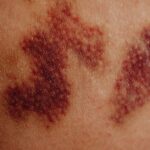
Cold and flu season is not the only time viruses spread. Enteroviruses are a major cause of summer illness. These viruses are more active in the summer and early fall. They cause a range of symptoms, including fever, sore throat, and a runny nose. Many people mistake these symptoms for a cold, but enteroviruses can also cause a telltale rash on the hands and feet, especially in children.
Another common summer virus is adenovirus. It can cause cold-like symptoms, pink eye, and stomach problems. These viruses spread easily in places where people gather, like pools, camps, and daycares. Chlorine does not kill all viruses instantly, and sharing towels or toys can pass them along. Good handwashing is your best defense against these summer bugs.
Can Heat and Sun Cause Flu-Like Symptoms?
Yes, they can. Heat exhaustion produces symptoms that closely mimic the flu. You may feel weak, nauseous, or have a headache. Your skin may be cool and clammy, or you may be sweating heavily. In more serious cases, heat stroke causes a body temperature above 103°F, confusion, and hot, dry skin. Heat stroke is a medical emergency and requires immediate help.
The key difference is that heat illness is not an infection. You cannot catch it from someone else. It happens because your body is overwhelmed by the environment. If you have been outside in high temperatures and start feeling sick, move to the shade or an air-conditioned space. Drink water or an electrolyte drink. If you do not improve within 30 minutes, seek medical care.




Why Is Food Poisoning More Common in Warm Weather?
Bacteria grow fastest in the “danger zone” between 40°F and 140°F. In the summer, food sits in this temperature range much longer. Picnics, cookouts, and potlucks are prime settings for foodborne illness. Foods like potato salad, egg dishes, and cold cuts are especially risky if they stay out too long.
Common culprits include Salmonella, E. coli, and Staphylococcus aureus. Symptoms usually start within hours of eating contaminated food. You may experience vomiting, diarrhea, stomach cramps, and fever. Most healthy adults recover within a few days with rest and fluids. The danger is dehydration, especially for young children and older adults. If you cannot keep fluids down for more than 24 hours, or if you see blood in your stool, contact a doctor.
What Is “Swimmer’s Ear” and Why Does It Happen?
Swimmer’s ear is an infection of the outer ear canal. It happens when water stays in your ear after swimming. The moist environment allows bacteria to grow. Symptoms include itching inside the ear, pain when you pull on your earlobe, and sometimes discharge. It is different from a middle ear infection, which is more common in children and often follows a cold.
You can reduce your risk by drying your ears thoroughly after swimming. Tilt your head to each side to let water drain. Some people use a blow dryer on the lowest setting held a few inches away from the ear. Avoid putting cotton swabs or fingers inside your ear canal. They can scratch the skin and make an infection more likely. If you suspect swimmer’s ear, see a doctor. Prescription ear drops are usually needed to clear the infection.
Are Allergies Making You Feel Sick?
Summer allergies are often mistaken for a cold. Grass pollen peaks in late spring and early summer. Ragweed pollen starts in late summer. If your symptoms include sneezing, itchy eyes, and a clear runny nose, allergies are a likely cause. A key clue is the absence of a fever. Allergies do not cause fevers.
Allergy symptoms can also make you feel generally unwell. The constant nasal congestion can lead to sinus pressure and headaches. You might feel tired because your sleep is disrupted. Over-the-counter antihistamines and nasal steroid sprays can help. If you know your triggers, try to limit time outdoors when pollen counts are highest, usually in the morning.
How Do You Know If It Is Serious?
Most summer illnesses resolve on their own within a few days. But some situations need urgent medical attention. Seek immediate care if you have a fever above 103°F, severe headache with a stiff neck, confusion, difficulty breathing, or chest pain. Also seek help if you faint, cannot keep any fluids down, or show signs of severe dehydration like dark urine or dizziness when standing.
Heat stroke requires emergency treatment. If someone is confused, has hot dry skin, and a very high temperature, call for emergency help. While waiting, move them to a cool area and try to lower their body temperature with cool cloths or a cool bath. Do not give them fluids if they are confused or unconscious.
How Can You Prevent Summer Illnesses?
Prevention starts with basics. Wash your hands often, especially before eating and after using the bathroom. Keep cold foods cold and hot foods hot. Do not leave perishable food out for more than two hours, or one hour if the temperature is above 90°F. Stay hydrated when you are active outside, and take breaks in the shade or air conditioning.
If you have allergies, check pollen counts and take your medication before symptoms start. Dry your ears after swimming to prevent swimmer’s ear. And if you feel sick, stay home. Summer viruses spread quickly in group settings. Resting for a day or two can help you recover faster and protect others.
Frequently Asked Questions
Why do I get a fever in the summer?
A fever is your body’s response to an infection, not to heat itself. If you have a fever, you likely have a virus or bacterial infection, and you should treat it like any other illness.
Can you get the flu in the summer?
Yes, but it is less common. Influenza can circulate year-round, and other viruses like enteroviruses cause similar symptoms more often in summer.
How long does a summer cold last?
Most viral summer illnesses last about 7 to 10 days. If symptoms last longer or get worse, see a doctor to rule out a bacterial infection.
Is it heat exhaustion or a virus?
If you were in hot conditions and symptoms came on quickly, heat exhaustion is likely. If you have a fever and were around sick people, a virus is more probable. Moving to a cool place and drinking fluids will improve heat exhaustion within 30 minutes.
